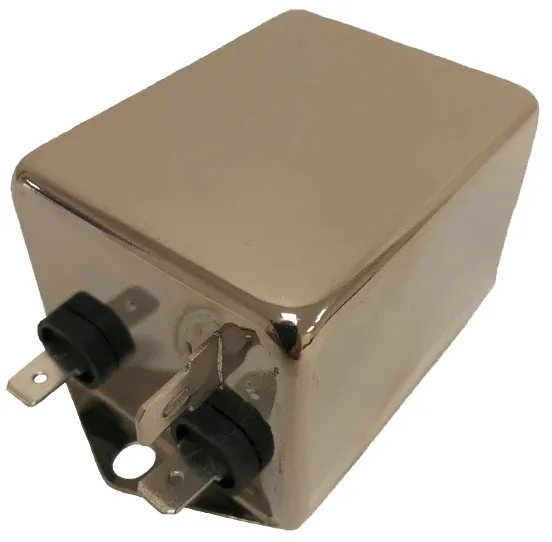

Medical imaging facilities rely on precision, stability, and accuracy to deliver reliable diagnostic results. Technologies such as MRI, CT scans, and other imaging systems are highly sensitive to electromagnetic interference (EMI), which can disrupt performance and compromise image quality. Ensuring EMI compliance is therefore essential for maintaining operational reliability and patient safety. This guide explores how EMI compliance works in medical imaging environments and the role of advanced filtering solutions in achieving it.
Why EMI Compliance Matters in Medical Imaging
Medical imaging equipment operates in environments where even minor electrical disturbances can affect performance. MRI systems, in particular, rely on extremely sensitive RF signals to generate detailed images. External noise from power lines, nearby equipment, or electrical infrastructure can introduce artifacts, distort signals, and reduce image clarity.
EMI compliance ensures that imaging systems operate without interference from internal or external sources. Healthcare facilities must follow strict guidelines to minimize electromagnetic disturbances and maintain consistent imaging performance. Implementing high-quality EMI Filters at key power entry points is one of the most effective ways to achieve compliance and improve reliability.
Common Sources of EMI in Medical Imaging Facilities
Several factors contribute to electromagnetic interference in medical environments:
- Switching power supplies
- HVAC systems
- Elevators and large motors
- Nearby communication systems
- Power distribution equipment
- Hospital IT infrastructure
These sources can introduce noise into imaging equipment, affecting performance and diagnostic accuracy. To address these challenges, facilities often implement dedicated filtering systems designed specifically for medical environments.
The Role of MRI RF Filters in Imaging Accuracy
MRI systems require controlled electromagnetic environments to function properly. An MRI RF filter is designed to block unwanted radio frequency signals from entering shielded rooms. These filters are installed at cable entry points and power lines to maintain shielding effectiveness.
Without proper RF filtering, external signals can leak into the MRI room, resulting in distorted images or system malfunctions. By incorporating RF filtering solutions, healthcare facilities can maintain imaging accuracy and prevent costly downtime.
Importance of MRI Filters in Healthcare Environments
MRI Filters play a crucial role in protecting imaging equipment from electromagnetic disturbances. These filters are designed to reduce noise and ensure clean power delivery to sensitive systems. By minimizing interference, MRI filters help maintain consistent imaging quality and reliable system performance.
Modern MRI installations often combine multiple filtering techniques, including power line filtering and RF shielding, to create a comprehensive EMI protection strategy. This layered approach ensures optimal performance in high-sensitivity environments.
Power Line Filters for Medical Imaging Systems
Power supply noise is one of the most common causes of EMI in medical imaging facilities. Power Line Filters help suppress conducted noise and prevent interference from entering imaging systems through power connections. These filters are installed at power entry points to maintain clean and stable power.
In MRI installations, specialized MRI EMI power line filters are used to handle the unique requirements of shielded environments. These filters provide high attenuation while maintaining system stability, making them essential for compliance and performance.
Single Phase and Three Phase Filtering Solutions
Medical imaging facilities often use a combination of single-phase and three-phase power systems. Selecting the right filtering solution depends on equipment requirements and facility infrastructure.
Single Phase EMI Filters are commonly used for smaller imaging equipment, control systems, and auxiliary devices. These filters help reduce interference and improve power quality for sensitive electronics.
For larger systems such as MRI scanners and imaging infrastructure, Three Phase EMI Filters are often required. These filters provide high-performance noise suppression and support heavy power loads. By combining both filtering types, facilities can achieve comprehensive EMI protection across all systems.
Designing an EMI-Compliant Medical Imaging Facility
Creating an EMI-compliant imaging facility involves several key considerations:
1. Shielded Room Design
MRI rooms are typically designed as shielded enclosures to block external electromagnetic signals. Proper grounding and cable management are essential for maintaining shielding effectiveness.
2. Filtered Power Entry Points
Installing EMI filters at power entry points helps prevent noise from entering sensitive equipment. This step is critical for maintaining stable performance.
3. Cable Management
Proper routing and shielding of cables reduce interference and improve signal integrity.
4. Grounding and Bonding
Effective grounding systems help reduce noise and maintain compliance.
5. Equipment Placement
Strategic placement of equipment minimizes interference between devices.
These best practices help healthcare facilities maintain compliance and ensure reliable imaging performance.
Benefits of EMI Compliance in Medical Facilities
Implementing EMI compliance strategies offers several advantages:
- Improved imaging accuracy
- Reduced system downtime
- Enhanced equipment reliability
- Better patient safety
- Compliance with regulatory standards
- Lower maintenance costs
These benefits make EMI compliance a critical investment for healthcare facilities.
Choosing the Right EMI Noise Filter
Selecting the appropriate EMI noise filter depends on system requirements, power configuration, and environmental conditions. Healthcare facilities should consider factors such as attenuation levels, current ratings, and installation requirements.
Working with experienced filter manufacturers helps ensure the correct solution is selected for each application. Proper filter selection improves performance and ensures long-term reliability.
Future Trends in Medical Imaging EMI Protection
As medical technology advances, EMI protection solutions continue to evolve. Modern filters are becoming more compact, efficient, and capable of handling higher frequencies. Smart filtering solutions with monitoring capabilities are also emerging, allowing facilities to track performance and detect issues early.
These innovations will further improve imaging reliability and support next-generation medical equipment.
Conclusion
EMI compliance is essential for maintaining accurate and reliable medical imaging systems. From MRI installations to advanced diagnostic equipment, managing electromagnetic interference ensures consistent performance and patient safety.
By implementing MRI RF filter solutions, installing Power Line Filters, and using specialized MRI EMI power line filters, healthcare facilities can create stable imaging environments. Combining Single Phase EMI Filters and Three Phase EMI Filters further enhances protection across all systems.
Investing in proper EMI protection not only ensures compliance but also improves operational efficiency and long-term reliability. As medical imaging technology continues to advance, EMI filtering solutions will remain a critical component of modern healthcare infrastructure.


























Sign in to leave a comment.