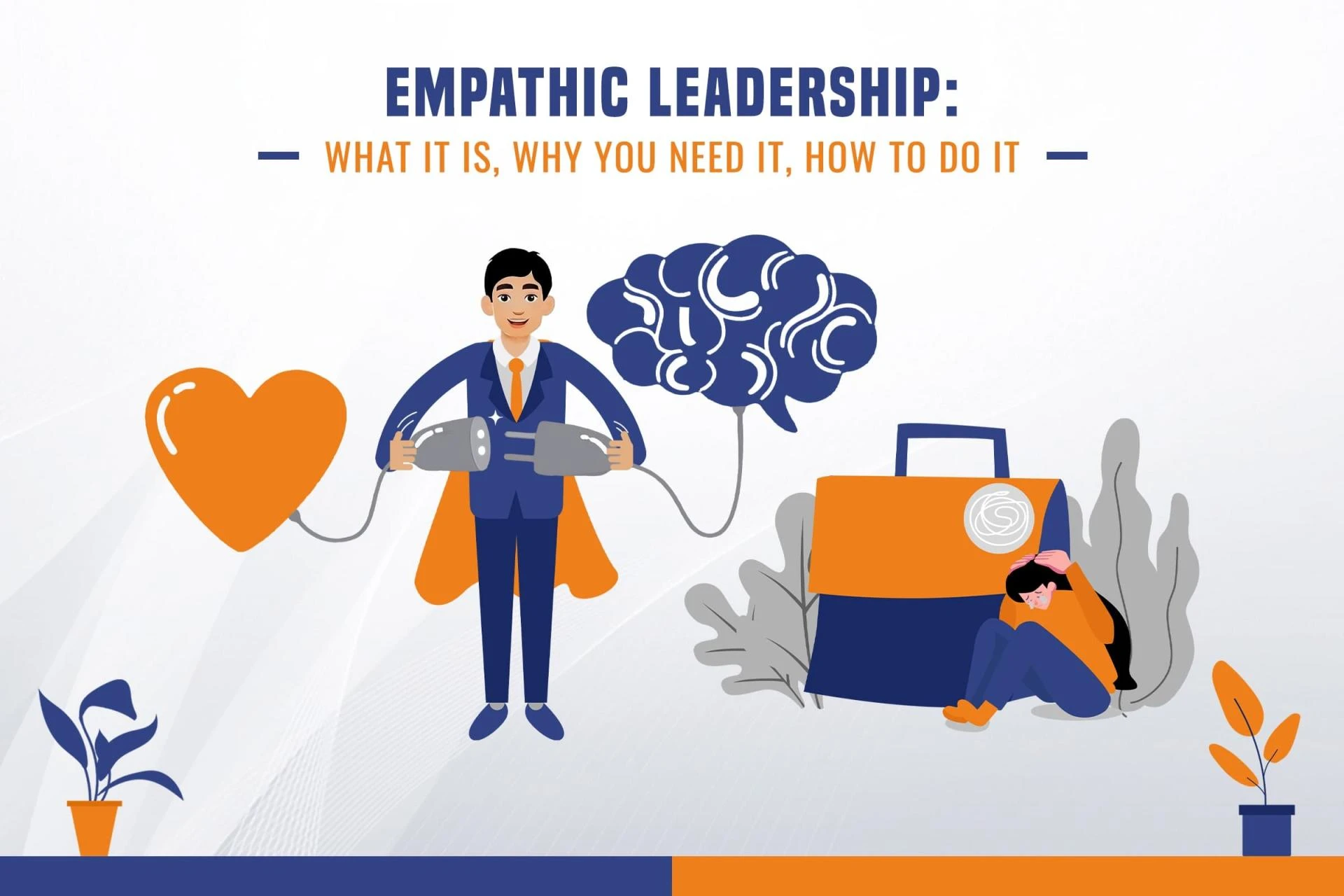

In a world where leadership styles have evolved significantly, one trait has stood the test of time and proven itself indispensable: empathy. Empathetic leadership is not just a buzzword; it's a vital quality that can transform workplaces, build strong teams, and foster a positive organizational culture. In this article, we will delve into what empathetic leadership entails, why it is essential in Leadership Training and Development, and provide practical guidance on how to become an empathetic leader.
What is Empathetic Leadership?
Empathetic leadership is a leadership style characterized by the ability to understand and share the feelings and perspectives of others. It goes beyond simply sympathizing with people's emotions; it involves the capacity to truly connect with individuals on a personal level. Empathetic leaders are attuned to the needs, concerns, and experiences of their team members, and they use this understanding to inform their decisions and actions.
At its core, empathetic leadership is about fostering a supportive and inclusive environment where individuals feel valued, heard, and respected. It's a leadership style that prioritizes people's well-being and personal growth while still achieving organizational goals. In essence, empathetic leaders balance the needs of their team members with the demands of the organization, creating a harmonious and productive workplace.
Why You Need Empathetic Leadership
· Enhanced Team Morale:
Empathetic leadership has a remarkable impact on team morale. When leaders demonstrate empathy, employees feel acknowledged and valued, leading to heightened job satisfaction and a notably more positive outlook toward their work. This positive morale not only creates a more harmonious workplace but also results in higher levels of motivation and dedication among team members, ultimately contributing to increased productivity and overall team success.
· Improved Collaboration:
Empathetic leaders foster an environment of open communication and enhanced collaboration within their teams. Team members are more inclined to share their thoughts, ideas, and concerns when they perceive their leader as someone who genuinely comprehends and values their perspectives. This inclusive atmosphere encourages the free flow of ideas, leading to innovative solutions, improved problem-solving, better Leadership and Management Training Courses, and a stronger sense of unity among team members, ultimately benefiting the organization.
· Increased Productivity:
Empathetic leaders have a unique ability to cultivate loyalty and commitment among their team members. This heightened commitment translates into a substantial boost in productivity, as employees are driven to invest more effort and willingly go the extra mile to achieve organizational objectives. The strong sense of purpose and connection to their leader's vision instills a desire for excellence, resulting in a workforce that consistently strives to exceed expectations and contribute to the overall success of the organization.
· Reduced Turnover:
High employee turnover can be a significant cost for organizations. Empathetic leaders play a pivotal role in mitigating this issue. When employees feel supported, valued, and understood, they are far more inclined to stay with their current job. The workplace becomes a haven where individuals genuinely want to be part of the team. This, in turn, results in reduced turnover rates, saving the organization resources while maintaining a stable, experienced, and motivated workforce.
· Innovation:
Empathy promotes a culture where diverse perspectives are valued. When employees feel comfortable sharing their ideas without fear of judgment, it can lead to innovative solutions and creative problem-solving and most importantly, a better rate of completion of Leadership Skills Development Training.
· Conflict Resolution:
Empathetic leaders excel in resolving conflicts due to their unique ability to view situations from multiple perspectives. By understanding the emotions and concerns of all parties involved, these leaders can craft solutions that not only address the immediate issues but also consider the underlying needs and aspirations of everyone. This approach not only defuses conflicts effectively but also fosters an environment of trust and cooperation, where team members feel heard and valued, ultimately enhancing team dynamics and productivity.
· Customer Satisfaction:
Empathetic leadership has a ripple effect on customer satisfaction. When employees feel genuinely valued and supported by their leaders, they are more inclined to deliver exceptional customer service. This heightened commitment and positive attitude translate into elevated customer satisfaction levels, as clients and customers receive a more personalized, attentive, and caring service. Satisfied customers are more likely to become loyal advocates for the business, thereby contributing to its long-term success and growth.
In essence, empathetic leadership not only benefits employees but also the organization as a whole. It fosters an environment where people thrive, collaborate effectively, and contribute their best.
How to Practice Empathetic Leadership
Now that we understand the significance of empathetic leadership, let's explore practical steps you can take to become an empathetic leader:
· Active Listening:
The cornerstone of empathy is active listening. It involves wholeheartedly concentrating on the speaker's words without preconceived judgments or interruptions. Engaging in active listening entails making consistent eye contact, nodding to signal understanding, and using verbal cues such as affirming statements or probing questions to demonstrate genuine engagement and interest. This practice not only enables leaders to comprehend others' perspectives thoroughly but also conveys respect and consideration, nurturing stronger connections and fostering a culture of empathy within the team.
· Build Relationships:
It's essential for empathetic leaders to invest time in forming genuine connections with their team members on a personal level. This involves showing a sincere interest in their lives, including their hobbies, families, and aspirations. By taking these steps, leaders not only cultivate trust but also gain valuable insights into the unique needs, concerns, and motivations of each team member. These personal connections become the foundation upon which strong professional relationships are built, contributing to a more empathetic and cohesive work environment along with better Leadership Training and Development.
· Ask Open-Ended Questions:
A hallmark of empathetic leadership is promoting open communication through the art of asking open-ended questions. Instead of settling for closed inquiries like "Did you have a good weekend?" empathetic leaders inquire more deeply by saying, "Tell me about your weekend. What did you do?" These open-ended queries encourage team members to express their thoughts and feelings more expansively, creating an atmosphere where their perspectives are welcomed and valued, ultimately fostering stronger connections and richer dialogues within the team.
· Empathetic Body Language:
Beyond words, your body language plays a pivotal role in conveying empathy. To demonstrate this, employ open and welcoming gestures, maintain an upright and approachable posture, and be acutely aware of your facial expressions. Something as simple as a warm and genuine smile can have a profound impact, making individuals feel genuinely valued and acknowledged. Empathetic leaders use their non-verbal cues consciously to foster a sense of comfort and trust among their team, creating an environment where people feel safe to express themselves openly.
· Practice Patience:
Empathetic leadership calls for patience and understanding, especially when team members are grappling with challenges or difficulties. Instead of hastily jumping to conclusions or offering immediate solutions, empathetic leaders exercise restraint and provide individuals with the time and space required to fully express their concerns, thoughts, and emotions. By offering this patient approach along with proper Leadership Skills Development Training, leaders create an atmosphere where team members feel heard and supported, enabling them to navigate challenges more effectively while bolstering trust and camaraderie within the team.
· Empower and Support:
Empathetic leaders are champions of their team members' personal and professional growth. They actively demonstrate support by offering opportunities for Leadership Training And Development, and readily extend guidance and mentorship when needed. This unwavering commitment to fostering individual growth not only equips team members with the skills and knowledge required to excel but also nurtures a sense of trust and loyalty. Empathetic leaders understand that investing in their team's growth is an investment in the organization's future success.
· Acknowledge Emotions:
An essential aspect of empathetic leadership is recognizing and validating the emotions of team members. When individuals express their feelings, empathetic leaders respond without judgment, offering simple yet powerful acknowledgments such as, "I understand that this situation is frustrating." This empathetic response not only conveys that their emotions are heard and respected but also fosters a safe and open environment where team members feel encouraged to share their thoughts and feelings, ultimately strengthening the bond between leaders and their teams.
· Feedback and Recognition:
Empathetic leaders strike a balance between offering constructive feedback when needed and celebrating achievements and contributions. While constructive criticism promotes growth, recognizing and publicly acknowledging a job well done is equally vital. This practice not only boosts individual morale but also motivates the entire team. By openly appreciating and applauding achievements, empathetic leaders inspire a culture of recognition, where team members feel valued and motivated to consistently excel, ultimately contributing to a positive and high-performing work environment.
· Continuous Self-Reflection:
Empathetic leadership is an ongoing journey, not a final destination. It involves a commitment to continuous self-reflection on your leadership style and practices. Empathetic leaders actively seek feedback from their team, valuing input that can help them improve. This open-minded approach to leadership fosters a culture of growth and learning, where leaders are willing to adapt and evolve. By staying receptive to feedback and committed to self-improvement, empathetic leaders model the qualities they encourage in their team, ultimately enhancing their effectiveness and impact.
Final Words
As a result, empathetic leadership is a powerful tool for creating a positive and productive work environment. It benefits both individuals and organizations by enhancing morale, fostering collaboration, and driving innovation. By actively practicing empathy, you can become a more effective and compassionate leader, ultimately achieving better results and building stronger, more resilient teams with proper Leadership and Management Training Courses.


























Sign in to leave a comment.