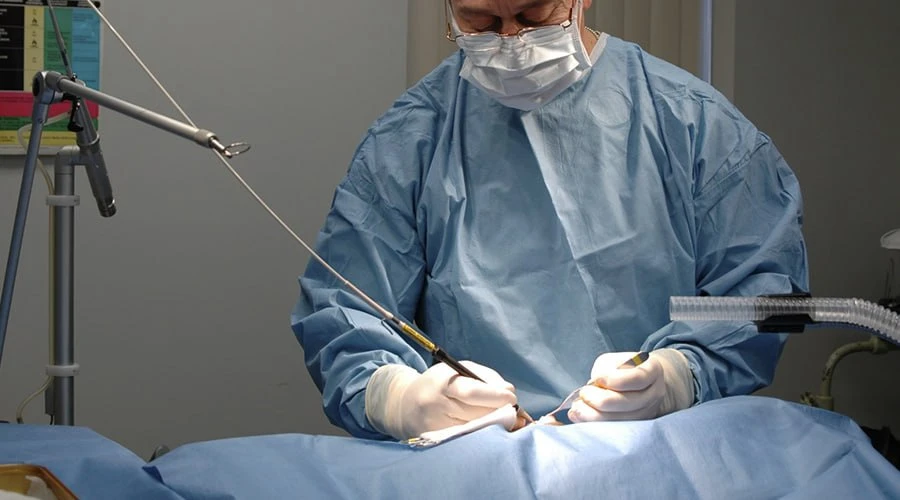

Kidney stones are a common yet painful medical condition that can significantly disrupt daily life. Characterized by severe flank pain, nausea, vomiting, and difficulty urinating, kidney stones affect millions of people worldwide each year. While small stones may pass naturally with hydration and medication, larger or stubborn stones often require medical intervention. Fortunately, advances in medical technology have transformed kidney stone management. One of the most effective and widely used methods today is endoscopic laser treatment, a modern, minimally invasive solution offering faster recovery and excellent success rates.
Understanding Kidney Stones
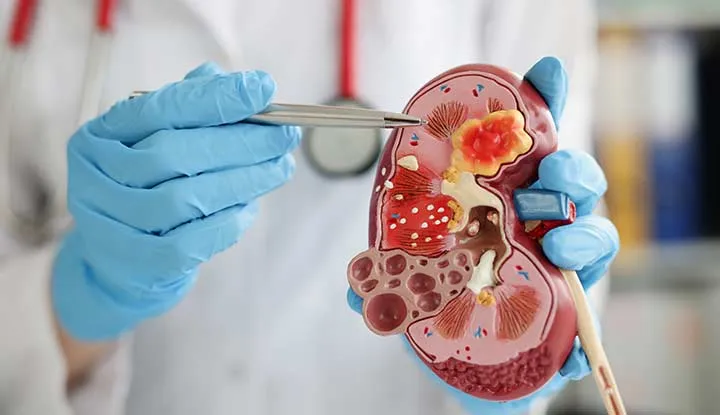
Kidney stones are hard deposits made of minerals and salts that form inside the kidneys. They develop when urine becomes concentrated, allowing minerals like calcium, oxalate, and uric acid to crystallize and stick together. Risk factors include dehydration, dietary habits, obesity, metabolic disorders, and a family history of kidney stones.
Depending on their size, location, and composition, kidney stones can cause mild discomfort or severe, debilitating pain. When stones do not pass on their own or lead to complications such as infection or obstruction, medical treatment becomes necessary.
What Is Endoscopic Laser Treatment?
Endoscopic laser treatment, also known as laser lithotripsy, is a minimally invasive procedure used to break kidney or ureteric stones into tiny fragments that can be easily removed or passed naturally through urine.
The procedure is performed using a thin, flexible instrument called an endoscope (or ureteroscope), which is passed through the natural urinary tract—via the urethra and bladder—without any external incisions. A high-precision laser, most commonly the holmium laser, is then used to fragment the stone into fine particles.
How the Procedure Is Performed
Endoscopic laser treatment is usually performed under general or spinal anesthesia to ensure patient comfort. The key steps include:
- Insertion of the Endoscope
A flexible endoscope is carefully guided through the urinary tract to reach the stone. - Visualization of the Stone
A camera attached to the endoscope provides real-time, high-resolution images, allowing precise targeting. - Laser Fragmentation
Laser energy is applied directly to the stone, breaking it into tiny pieces. - Stone Removal or Natural Passage
Larger fragments may be removed using small baskets, while finer particles are left to pass naturally in urine. - Temporary Stent Placement (if needed)
A ureteral stent may be placed temporarily to ensure smooth urine flow and aid healing.
The procedure typically lasts between 30 minutes to 2 hours, depending on the size and number of stones.
Benefits of Endoscopic Laser Treatment
Endoscopic laser treatment has become the preferred option for many patients due to its numerous advantages:
Minimally Invasive
Since there are no cuts or incisions, the procedure causes minimal trauma to the body.
High Success Rate
Laser lithotripsy is highly effective for stones of various sizes and compositions, including hard stones that are resistant to other treatments.
Faster Recovery
Most patients can return home the same day or within 24 hours and resume normal activities within a few days.
Reduced Pain and Complications
Compared to open surgery, this method results in less pain, minimal bleeding, and lower risk of infection.
Suitable for Most Patients
It is safe for elderly patients, obese individuals, and those with complex or recurrent stones.
For patients seeking endoscopic laser treatment for kidney stones in Bangalore, access to specialized care and experienced urologists is essential for successful outcomes. Bangalore has emerged as a leading destination for advanced urological treatments due to its modern medical infrastructure and skilled specialists.
Shree Srinivasa Uro Care is a trusted center providing comprehensive diagnosis and advanced treatment for kidney stones. Equipped with modern endoscopic technology and laser systems, the clinic focuses on delivering safe, effective, and patient-centered care. From initial evaluation to post-procedure follow-up, patients receive personalized treatment plans tailored to their specific condition.
Who Is an Ideal Candidate?
Endoscopic laser treatment is recommended for patients who:
- Have medium to large kidney or ureteric stones
- Have stones that failed to pass with medication
- Experience repeated stone formation
- Have stones causing obstruction, infection, or severe pain
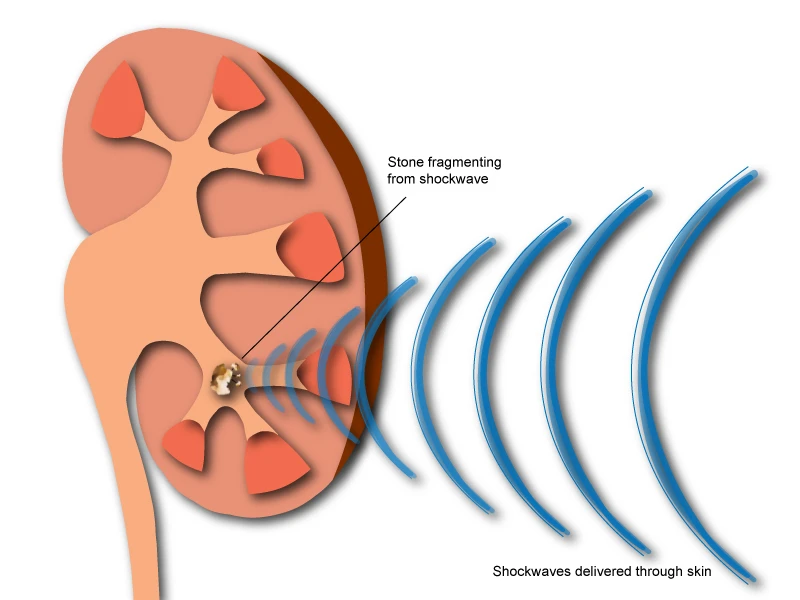
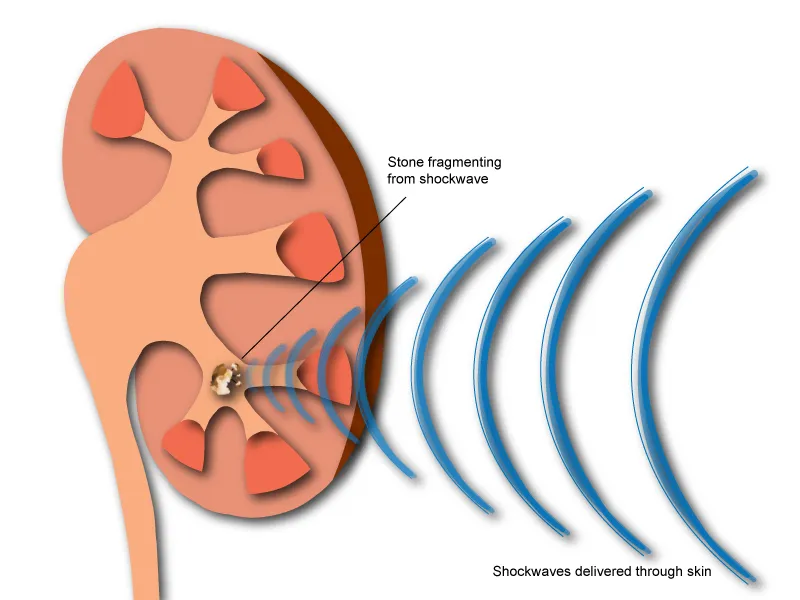
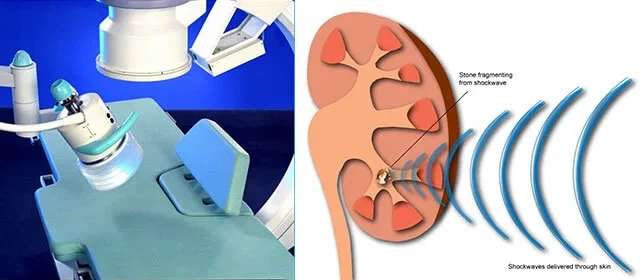
- Are not suitable candidates for shock wave therapy
Your urologist will evaluate factors such as stone size, location, overall health, and medical history before recommending the procedure.
Recovery and Aftercare
Recovery from endoscopic laser treatment is generally quick and smooth. Mild discomfort, burning during urination, or slight blood in urine may occur for a few days. These symptoms usually resolve on their own.
Post-procedure care includes:
- Drinking plenty of fluids to flush out stone fragments
- Taking prescribed medications such as pain relievers or antibiotics
- Following dietary recommendations to prevent recurrence
- Attending follow-up visits for stent removal (if placed)
Most patients can return to work and daily activities within 2–5 days.
Possible Risks and Complications
Although endoscopic laser treatment is very safe, like any medical procedure, it carries some potential risks, including:
- Temporary blood in urine
- Urinary tract infection
- Ureteral irritation or swelling
- Discomfort due to stent placement
Serious complications are rare when the procedure is performed by an experienced urologist.
Preventing Future Kidney Stones
Treatment is only part of the solution. Preventing recurrence is equally important. Lifestyle and dietary changes play a crucial role, such as:
- Staying well-hydrated
- Reducing salt and animal protein intake
- Managing calcium consumption as advised by your doctor
- Treating underlying metabolic conditions
- Regular medical follow-ups
Conclusion
Endoscopic laser treatment for kidney stones represents a significant advancement in urology, offering patients a safe, effective, and minimally invasive alternative to traditional surgery. With high success rates, minimal discomfort, and quick recovery, it has become a modern solution for managing kidney stones of varying sizes and complexities.
If you suffer from persistent kidney stones or recurring symptoms, consulting a qualified urologist can help determine whether endoscopic laser treatment is the right option for you. Early intervention and proper care can not only relieve pain but also improve long-term kidney health and quality of life.


























Sign in to leave a comment.