
Kidney stones are a common yet painful condition that can disrupt daily life and overall well-being. Characterized by hard deposits of minerals and salts that form inside the kidneys, these stones can cause severe discomfort, especially when they move through the urinary tract. Fortunately, advances in medical technology have made treatment more effective and less invasive. One such breakthrough is lithotripsy—a modern solution that helps patients say goodbye to kidney stones without the need for major surgery.
Understanding Kidney Stones
Kidney stones develop when substances like calcium, oxalate, and uric acid become concentrated in the urine and crystallize. These crystals can grow into stones of varying sizes. While small stones may pass naturally through urine, larger ones often require medical intervention.
Common symptoms of kidney stones include:
- Intense pain in the back or side
- Pain during urination
- Blood in urine
- Nausea and vomiting
- Frequent urge to urinate
If left untreated, kidney stones can lead to complications such as urinary tract infections or kidney damage, making timely treatment essential.
What is Lithotripsy?
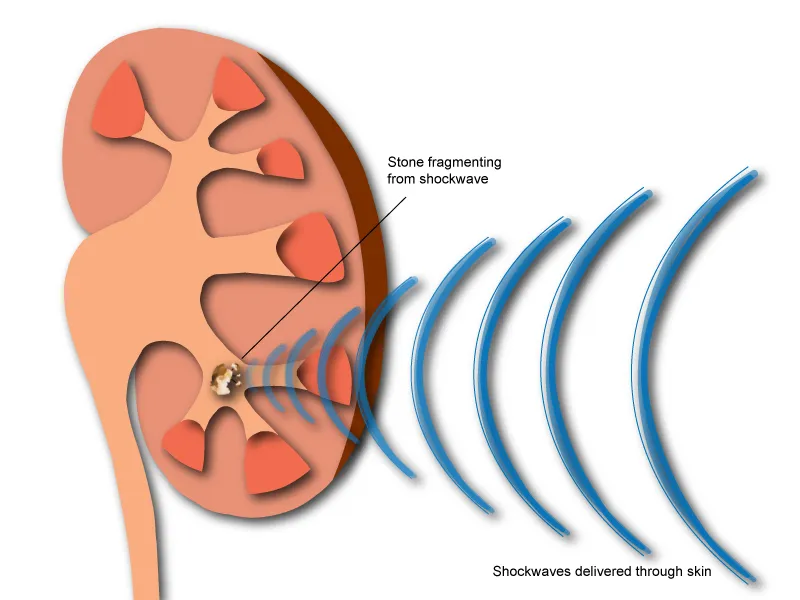
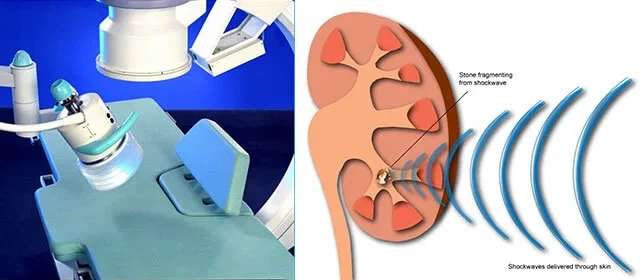
Lithotripsy is a non-invasive or minimally invasive medical procedure used to break down kidney stones into smaller fragments that can be easily passed through the urinary tract. The most widely used form is Extracorporeal Shock Wave Lithotripsy (ESWL), which uses high-energy shock waves to target and fragment the stones.
Unlike traditional surgical methods, lithotripsy does not involve large incisions, making it a safer and more convenient option for many patients.
How Lithotripsy Works
During the procedure, the patient lies on a specialized table while a machine generates shock waves that are precisely focused on the kidney stone. These waves travel through the body without causing harm to surrounding tissues but effectively break the stone into smaller pieces.
The entire process usually takes about 30 to 60 minutes and is often performed on an outpatient basis. Depending on the size and location of the stone, multiple sessions may be required.
Types of Lithotripsy
There are different types of lithotripsy procedures, including:
- Extracorporeal Shock Wave Lithotripsy (ESWL):
The most common and non-invasive method using external shock waves. - Laser Lithotripsy:
A minimally invasive technique where a laser is used to break stones through a small scope inserted into the urinary tract. - Ultrasonic Lithotripsy:
Uses ultrasonic energy to fragment stones, typically during endoscopic procedures.
Your doctor will recommend the most suitable type based on your specific condition.
Benefits of Lithotripsy Treatment
Lithotripsy offers several advantages over traditional surgical approaches:
- Non-invasive or minimally invasive: No large cuts or stitches required
- Quick recovery time: Most patients resume normal activities within a few days
- Reduced pain: Less discomfort compared to surgery
- Outpatient procedure: No long hospital stays
- High success rate: Effective for many types of kidney stones
These benefits make lithotripsy a preferred choice for both patients and healthcare providers.
Who is a Good Candidate?
Lithotripsy is suitable for many patients, but not everyone is an ideal candidate. Factors that determine eligibility include:
- Size and location of the kidney stone
- Patient’s overall health
- Presence of infections or other complications
- Body weight and anatomy
For example, very large stones or stones located in certain parts of the urinary tract may require alternative treatments.
If you are searching for lithotripsy treatment in Bangalore, it’s important to choose a healthcare provider that combines advanced technology with experienced specialists. One such trusted name is SSUroCare, known for offering comprehensive urology care with a patient-focused approach.
At SSUroCare, patients benefit from modern diagnostic tools, expert consultation, and personalized treatment plans. Whether you are dealing with a small kidney stone or a more complex case, their team ensures that you receive the most effective and comfortable treatment possible.
Preparation for the Procedure
Before undergoing lithotripsy, your doctor may recommend:
- Blood and urine tests
- Imaging tests such as X-rays or CT scans
- Avoiding certain medications like blood thinners
- Fasting for a few hours before the procedure
Proper preparation helps ensure the procedure is safe and effective.
What to Expect After Lithotripsy
After the procedure, patients are usually monitored for a short period before being discharged. It is normal to experience mild discomfort as the stone fragments pass through the urinary tract.
Post-treatment experiences may include:
- Slight pain or cramping
- Blood-tinged urine for a few days
- Frequent urination
Doctors often prescribe pain relievers and advise drinking plenty of water to help flush out the fragments.
Possible Risks and Side Effects
While lithotripsy is generally safe, like any medical procedure, it carries some risks:
- Bruising or discomfort in the treatment area
- Urinary tract infection
- Blockage caused by stone fragments
- Rarely, damage to surrounding tissues
Most side effects are temporary and manageable with proper care and medical guidance.
Recovery and Aftercare
Recovery from lithotripsy is usually quick. Patients are encouraged to:
- Stay hydrated
- Follow prescribed medications
- Avoid strenuous activities for a short period
- Attend follow-up appointments
In some cases, doctors may recommend dietary changes to prevent future stone formation, such as reducing salt intake and staying well-hydrated.
Preventing Kidney Stones
While lithotripsy effectively treats existing stones, prevention is equally important. Simple lifestyle changes can significantly reduce the risk of recurrence:
- Drink plenty of water daily
- Maintain a balanced diet
- Limit salt and high-oxalate foods
- Avoid excessive protein intake
- Follow medical advice based on your stone type
Regular check-ups can also help detect potential issues early.
Conclusion
Kidney stones can be a painful and distressing condition, but modern medical advancements like lithotripsy have transformed the way they are treated. With its non-invasive approach, quick recovery time, and high success rate, lithotripsy offers a safe and effective solution for many patients.
If you are struggling with kidney stones, consulting a healthcare professional about lithotripsy could be your first step toward relief. By combining advanced treatment with preventive measures, you can not only eliminate existing stones but also reduce the chances of future occurrences.
Saying goodbye to kidney stones is now easier than ever—thanks to lithotripsy.


























Sign in to leave a comment.