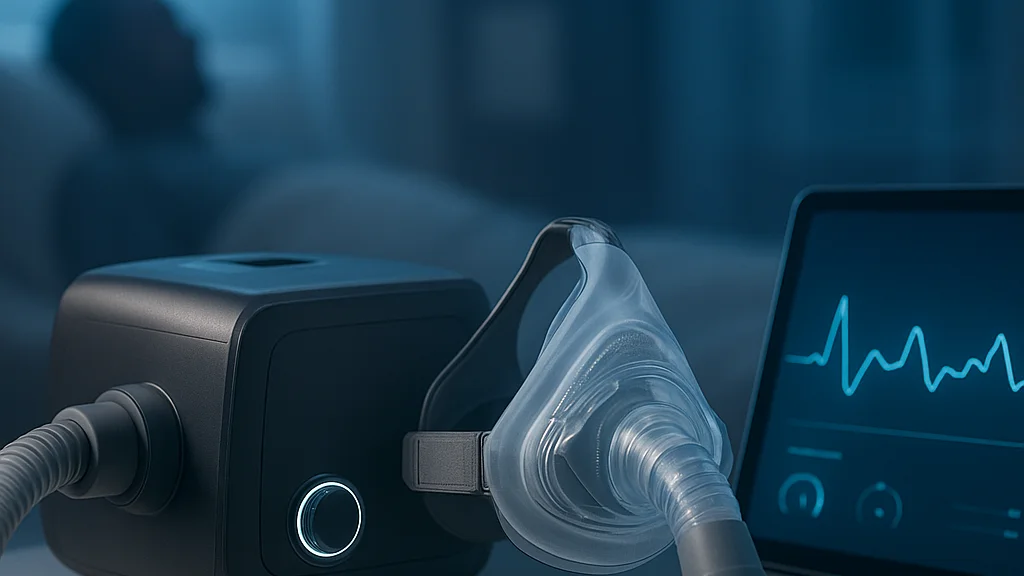

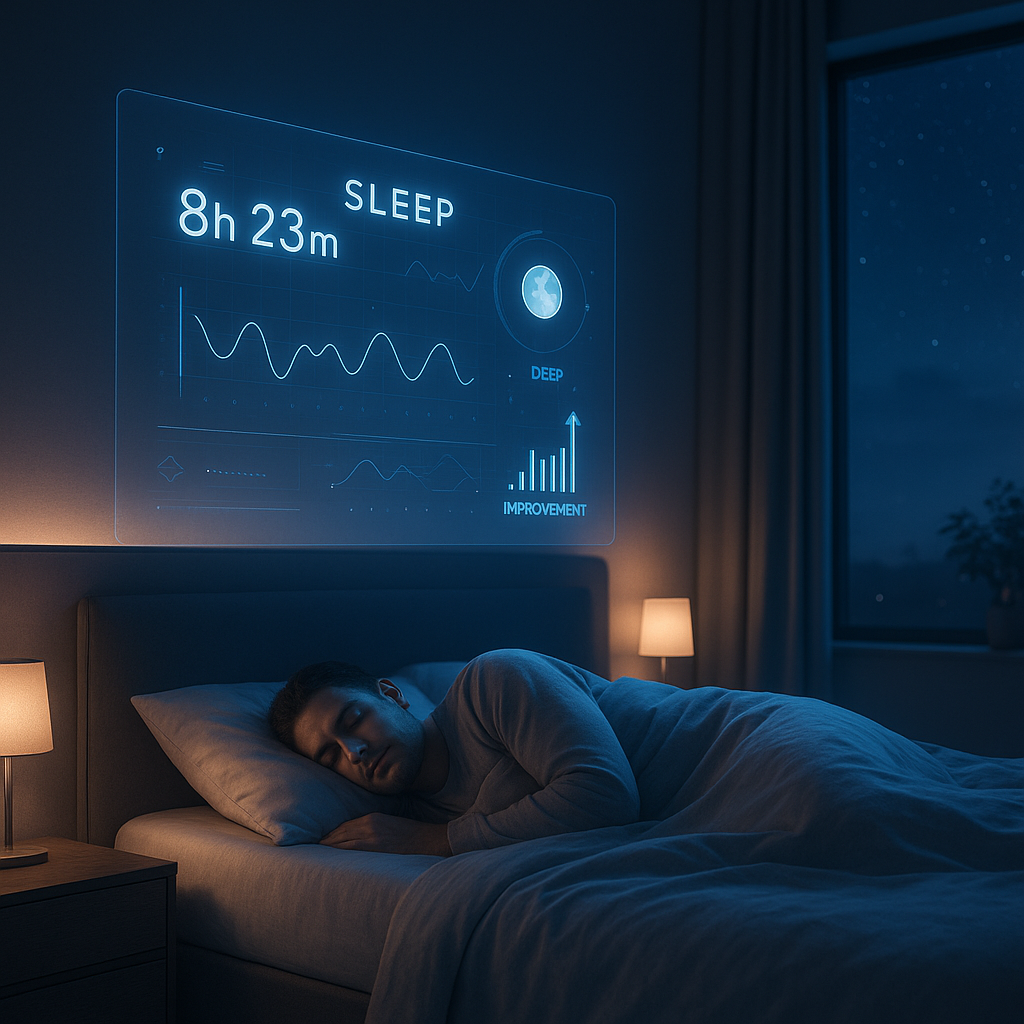
At 2 a.m., the most important device in a sleep apnea patient’s bedroom may no longer be a noisy bedside CPAP machine. Increasingly, it is a sensor—sometimes wrapped around a finger, sometimes embedded in a mattress, sometimes integrated into a wearable that quietly tracks oxygen saturation, heart-rate variability, movement, snoring intensity, and breathing irregularity. That shift matters because sleep apnea has always been a condition where the gap between diagnosis and real-world adherence is painfully wide. Millions of people are never diagnosed, and many of those who are diagnosed struggle to stay on therapy long enough to benefit.
Obstructive sleep apnea, the most common form, is not a niche problem. It is associated with hypertension, stroke risk, atrial fibrillation, metabolic dysfunction, daytime cognitive impairment, workplace accidents, and deteriorating mental health. In Silicon Valley health-tech circles, sleep apnea has become a revealing case study in what happens when clinical medicine, consumer electronics, AI-assisted analytics, and remote care finally begin to converge. The result is not a single miracle device. It is a broader redesign of the treatment pathway—from screening and triage to personalization, adherence coaching, and long-term follow-up.
That redesign is moving quickly in 2026. Researchers, device makers, sleep specialists, and digital health platforms are pushing beyond the old binary of “CPAP or nothing.” According to Yale’s reporting on the future of sleep apnea treatment, the field is increasingly focused on individualized therapy rather than one-size-fits-all equipment. That is a crucial distinction. Sleep apnea is not a uniform disease, and technology is finally treating it that way.
Sleep apnea treatment is becoming less about forcing patients into a standard machine and more about matching the right intervention to the right airway, anatomy, behavior pattern, and risk profile.
If you have followed the broader health-tech conversation, this evolution will sound familiar. It mirrors what I discussed in How Technology Is Reshaping Sleep Apnea Treatment and in Technology Is Reshaping Sleep Apnea Treatment with Innovation and Precision: the winners are platforms and therapies that reduce friction. Sleep medicine, after years of slow movement, is now being rebuilt around that principle.
Why the old model struggled for so long
For decades, the traditional sleep apnea pathway was cumbersome. A patient reported fatigue, loud snoring, or witnessed breathing pauses. A primary care physician referred them for testing. They waited for a lab-based polysomnography appointment or received a home sleep test. Then came a prescription—most often CPAP, or continuous positive airway pressure—followed by mask fittings, insurer paperwork, compliance monitoring, and frequent frustration. Clinically, CPAP can be highly effective. Practically, it can be difficult to live with.
The problem was never just the machine. It was the entire care architecture around it. Sleep labs were costly. Access was uneven. Follow-up was often reactive rather than proactive. Patients with anxiety, nasal obstruction, claustrophobia, insomnia, facial-hair fit issues, or variable schedules frequently dropped off. Some never started treatment at all. Others used CPAP for a few nights, then abandoned it. In health systems obsessed with acute care, sleep medicine often lacked the behavioral support and digital feedback loops needed for chronic-condition management.
That mismatch became more visible as evidence mounted linking untreated sleep apnea with cardiovascular and metabolic harm. Clinicians already knew the risks, but treatment systems lagged behind. Meanwhile, consumer technology changed patient expectations. People grew used to continuous feedback from smartwatches, app-based coaching, telehealth visits, and devices that adapt to them—not the other way around. Sleep apnea care, by contrast, often felt frozen in another era.
Recent media coverage has reflected this turning point. Digital Journal’s report on informing patient choices in sleep apnoea treatment underscored a central issue: patients want clearer options, better information, and therapies aligned with their needs rather than a rigid default pathway. That is exactly where technology has started to matter most—not simply in inventing new hardware, but in making treatment selection more precise.
- Legacy bottleneck 1: diagnosis often depended on limited sleep-lab capacity.
- Legacy bottleneck 2: CPAP initiation could be delayed by logistics, insurance, and equipment setup.
- Legacy bottleneck 3: adherence support was inconsistent and often too late.
- Legacy bottleneck 4: many patients were treated as if all apnea phenotypes were the same.
Technology is addressing each of those constraints at once, which is why the current wave feels structurally different from earlier incremental upgrades.
Diagnosis is moving closer to the patient
The first major transformation is happening before treatment even begins. Sleep apnea screening and diagnosis are becoming more distributed, less expensive, and less dependent on a single night in a specialized lab. Home sleep apnea testing has been around for years, but the new generation of devices is more connected and easier to deploy. Data now flows directly into cloud-based dashboards, allowing sleep physicians and respiratory therapists to review results faster and triage patients more efficiently.
Wearables are also reshaping the front end of the funnel. Consumer devices are not replacements for formal diagnosis, and regulators have been careful about that distinction. Still, they are changing awareness. Watches, rings, and overnight sensors can detect patterns that prompt people to seek medical evaluation—frequent blood oxygen drops, elevated resting heart rate, fragmented sleep, or snoring trends. In practice, that means more patients arrive at clinics already suspecting a problem, armed with weeks or months of data.
From a health-tech perspective, this matters because sleep apnea is massively underdiagnosed. The more passive and unobtrusive the screening layer becomes, the more likely people are to enter care before complications intensify. Remote platforms can also shorten the path from suspicion to confirmation. A patient can complete a virtual consult, receive a home test, upload results, and discuss treatment options without taking multiple days off work.
That convenience is not trivial. It is one reason the market is shifting from episodic testing to ongoing respiratory monitoring. In 2026, the strongest systems are not just “diagnostic tools.” They are longitudinal data ecosystems.
- Consumer or clinical sensor flags a breathing concern.
- Telehealth evaluation determines next-step testing.
- Home sleep study confirms severity and phenotype.
- Software-assisted review supports faster treatment matching.
- Remote monitoring tracks whether the therapy is actually working.
This is also why adjacent content such as What You Need to Know About Technology Reshaping Sleep Apnea Treatment has resonated with readers: the story is no longer confined to a single device category. It is about a digitally connected care pathway, and diagnosis is now the first place patients feel the difference.
The most effective sleep apnea technology may be the technology that gets a patient into treatment six months earlier than they otherwise would have.
CPAP is getting smarter, quieter, and more personalized
CPAP is not disappearing. Despite years of “beyond CPAP” headlines, it remains the benchmark therapy for many patients with obstructive sleep apnea because it can work extremely well when used consistently. What is changing is the intelligence layered around it. Modern devices are quieter, algorithms can auto-adjust pressure across the night, humidification systems are better, mask options are broader, and companion apps give patients and clinicians near-real-time feedback.
That last point is central. Earlier generations of PAP therapy often left patients alone with discomfort. If pressure felt too high, leaks were disruptive, or condensation made the experience miserable, frustration built quickly. Connected PAP platforms now surface usage patterns, leak data, residual apnea events, and adherence trends. Providers can intervene earlier. Some systems trigger coaching messages or clinician outreach when usage drops. Others identify whether the problem is mask fit, pressure intolerance, or sleep-onset difficulty.
From a behavioral science standpoint, this is a major advance. Adherence improves when patients receive fast feedback and targeted support rather than generic instructions. It also helps payers and providers distinguish between “noncompliance” and solvable design problems. A patient who stops using therapy after three nights may not be rejecting treatment—they may simply have the wrong mask or an untreated nasal issue.
Coverage in AOL’s overview of sleep apnea treatments reflects this broader reality: effective care now includes a spectrum of interventions, but PAP therapy remains a cornerstone because the technology itself has improved. In clinic workflows, the best outcomes often come from combining smarter devices with remote coaching and better patient education.
- Auto-titrating pressure reduces the need for rigid fixed settings in many cases.
- Cloud connectivity allows clinicians to review adherence and efficacy remotely.
- Improved mask ecosystems support different sleeping positions and facial structures.
- Integrated apps can reinforce habits, troubleshoot problems, and visualize progress.
The lesson from 2026 is not that CPAP was obsolete. It is that CPAP needed to become more adaptive, more data-rich, and less punishing to use. Technology is making that happen, even if the public conversation often focuses on newer alternatives.
Beyond masks: implants, oral devices, and targeted therapies
The most visible shift in sleep apnea treatment is the rise of alternatives for patients who cannot tolerate PAP therapy or who fit a different clinical profile. Upper-airway stimulation, often described as an implanted neurostimulation approach, has attracted significant attention because it addresses airway collapse through timed stimulation rather than constant pressurized airflow. These systems are not appropriate for everyone, and candidacy depends on anatomy, severity, body-mass considerations, and specialist evaluation. But for selected patients, they represent a meaningful expansion of options.
Oral appliance therapy is also gaining from better digital workflows. Dentists and sleep physicians can now use digital scanning, more precise fabrication, and follow-up data to refine mandibular advancement devices. That improves comfort and fit while bringing oral appliances closer to mainstream personalized care. Meanwhile, positional therapy has become more sophisticated than the old tennis-ball-on-the-back approach. Smart wearables and sleep-position trainers can detect supine sleep and gently prompt repositioning, helping patients whose apnea worsens primarily when sleeping on their back.
What makes this moment different is that these alternatives are no longer discussed as fringe workarounds. They are being integrated into structured decision-making. According to Yale’s 2026 reporting, the field is increasingly moving toward selecting treatments based on airway anatomy and underlying physiology rather than defaulting to a single standard intervention. That is a profound clinical shift.
Pharmacologic research is part of the story as well, although it remains more nuanced. Drug-based approaches for sleep apnea have generated interest, especially where obesity, ventilatory control instability, or related mechanisms play a role. The key point is not that medication will replace devices wholesale. It is that treatment is becoming multimodal. A patient may use weight-management therapy, positional support, and PAP—or an oral device plus remote monitoring—or an implant with digital follow-up. Technology enables those combinations by making outcomes easier to measure over time.
For readers looking for a broader orientation, Technology Is Reshaping Sleep Apnea Treatment in 2026 captures this widening menu of options. The market is no longer organized around a single machine. It is organized around matching therapy to phenotype.
AI and remote care are changing adherence economics
If there is one area where digital health has genuine leverage, it is adherence. Sleep apnea treatment only works when patients use it consistently enough to change physiology over time. That makes the condition unusually suited to remote monitoring, predictive analytics, and AI-assisted support. In 2026, providers and device companies are increasingly using software to identify which patients are likely to disengage before they actually stop treatment.
Imagine two new PAP users. One has mild leaks but stable usage. Another shows declining nightly duration, repeated mask-off events, and irregular sleep timing. A human clinician can spot those patterns, but not always fast enough across hundreds or thousands of patients. AI systems can flag risk earlier and route the patient toward a respiratory therapist, a sleep coach, or a different interface. That is not science fiction. It is a practical way to make scarce specialist time more efficient.
The economics are compelling. Untreated sleep apnea contributes to downstream costs through cardiovascular events, poor diabetes control, traffic accidents, and reduced productivity. Health systems therefore have a strong incentive to improve adherence, not merely prescribe equipment. Remote care helps because it lowers the friction of follow-up. Instead of waiting months for an in-person appointment, patients can receive app prompts, short virtual check-ins, or asynchronous troubleshooting based on their actual usage data.
There is also a mental-health dimension that deserves more attention. People with sleep apnea often experience irritability, anxiety, low mood, and cognitive dulling from chronic sleep fragmentation. When treatment fails, the emotional toll compounds. Better digital support can reduce that spiral. In the Bay Area startup ecosystem, the most credible sleep-health platforms are the ones that understand this—sleep is physiological, but adherence is behavioral and psychological.
- Clinical benefit: earlier intervention when therapy problems emerge.
- Operational benefit: clinicians can prioritize high-risk patients instead of reviewing every account manually.
- Patient benefit: support arrives when frustration is fresh, not after abandonment.
- System benefit: improved adherence can reduce avoidable long-term healthcare costs.
The next frontier will be whether these systems can integrate data from wearables, PAP devices, implants, and electronic health records into a single usable view. That interoperability challenge remains unresolved, but progress is unmistakable.
What has changed recently in 2026
The most important development in 2026 is not one headline product launch. It is a broader clinical acceptance that sleep apnea care needs segmentation. Different patients have different airway mechanics, symptom burdens, body compositions, cardiovascular risks, and tolerance thresholds. That sounds obvious, yet it has taken years for the treatment model to catch up. Recent reporting from Yale and other outlets suggests that the field is now embracing this complexity more openly.
Another notable shift is the strengthening relationship between consumer sleep tracking and formal medical pathways. Clinicians remain cautious—appropriately so—about overinterpreting consumer-device data. But they are increasingly willing to use it as a screening prompt or adherence context rather than dismiss it outright. That matters because patients are showing up with their own data ecosystems, and medicine is adapting. In 2026, the most forward-looking sleep centers are not fighting that trend. They are incorporating it carefully.
Telehealth also appears to have matured from emergency-era convenience into standard workflow. Virtual sleep consultations, remote device onboarding, and cloud-based therapy review are no longer temporary workarounds. They are part of the operating model. For rural patients, shift workers, caregivers, and people juggling multiple chronic conditions, this is a meaningful access improvement.
Just as important, treatment conversations have become more transparent. Patients are asking sharper questions about implants, oral devices, positional tools, weight-related interventions, and the trade-offs among them. Coverage like the Digital Journal piece on patient choice reflects this new expectation: informed consent now includes understanding a menu of technologies, not merely accepting a default prescription.
That is a healthier market. It rewards companies that can prove outcomes, comfort, and long-term usability rather than simply sell hardware. It also pressures providers to communicate more clearly about who benefits from which therapy. In sleep medicine, transparency is becoming a technology issue as much as a clinical one.
What patients, clinicians, and investors should watch next
The next chapter in sleep apnea treatment will likely be shaped by integration. The field already has sensors, apps, smart PAP devices, implants, oral appliances, telehealth pathways, and AI-assisted monitoring. The challenge is stitching them together into coherent care. Patients do not experience their condition as separate product categories. They experience snoring, fatigue, headaches, blood-pressure spikes, brain fog, and relationship strain. The technology stack has to meet that lived reality.
For clinicians, the priority should be phenotype-driven care with measurable follow-up. That means asking not only whether a patient has apnea, but what kind, under which sleep conditions, with what anatomical drivers, and with what barriers to adherence. For patients, the practical takeaway is simple: if one therapy fails, that should not be the end of the story. The treatment menu is broader than it was even a few years ago, and digital tools make reassessment easier.
Investors and founders should pay attention to workflow, not just novelty. The most durable opportunities may lie in interoperability, remote coaching, reimbursement-friendly monitoring, and software that helps sleep specialists manage larger populations without sacrificing personalization. In Silicon Valley, shiny hardware often gets the headlines. In sleep medicine, however, the quieter innovation may be the more valuable one—software that helps the right patient stay on the right therapy for the long haul.
The future of sleep apnea treatment will not be won by the device with the flashiest engineering. It will be won by the system that produces durable nightly use and measurable health improvement.
One more point deserves emphasis. Sleep apnea sits at the intersection of cardiology, endocrinology, neurology, dentistry, behavioral health, and consumer wellness tech. That makes it a powerful test case for connected care. If medicine can solve adherence and personalization here, the lessons will travel far beyond sleep labs.
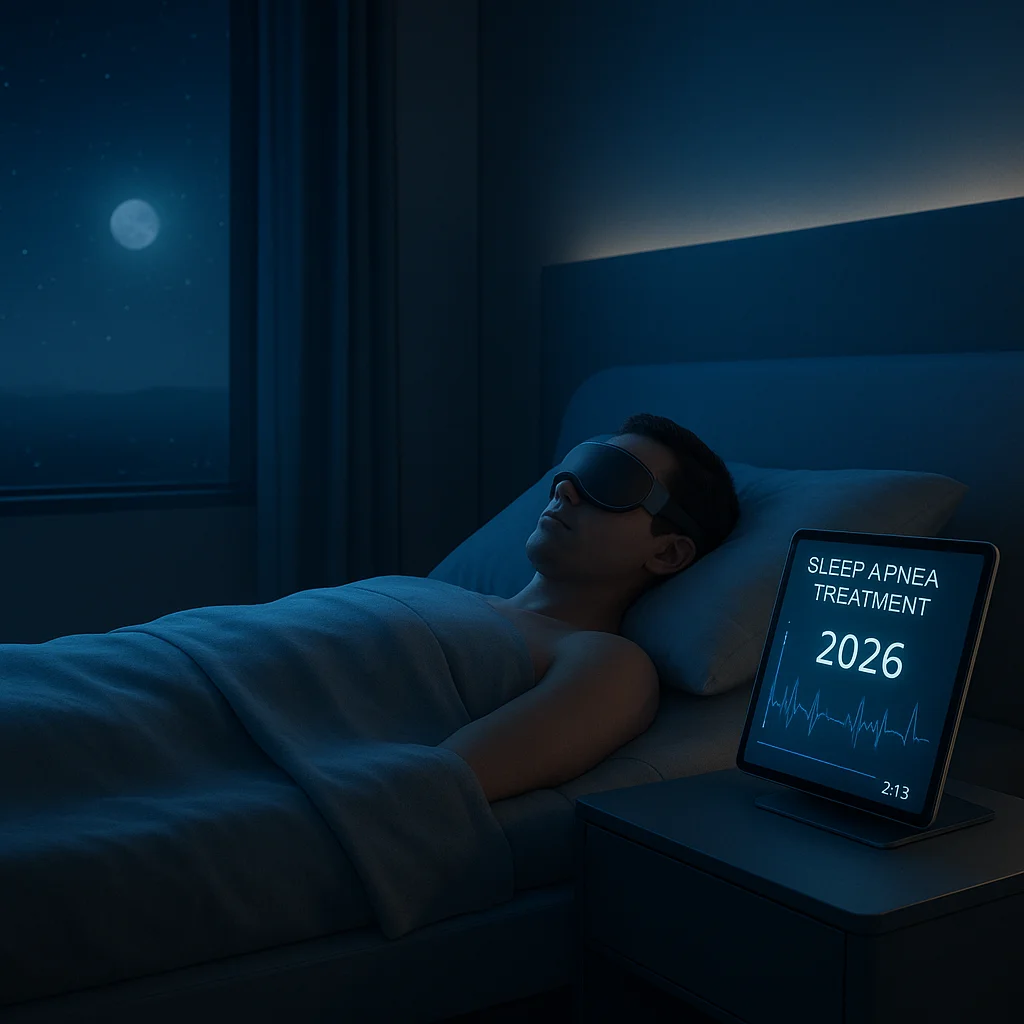
For now, the direction is clear. Technology is reshaping sleep apnea treatment by making it earlier, smarter, more personalized, and more continuous. The real breakthrough is not that machines are replacing clinicians. It is that better tools are finally helping clinicians and patients work from the same data, on the same timeline, toward the same outcome: breathing normally through the night and waking up with a brain and body that actually recovered.




























Sign in to leave a comment.