
Kidney stones are a common yet intensely painful condition that can disrupt daily life without warning. Often described as one of the most severe types of pain a person can experience, kidney stones occur when minerals and salts crystallize in the kidneys and form hard deposits. While traditional surgical treatments once dominated the field, modern medicine has introduced less invasive and highly effective alternatives. One such breakthrough is shock wave lithotripsy (SWL) a treatment that has transformed how kidney stones are managed.
But is it really pain-free? Let’s explore how this technology works, who it’s for, and what patients can expect.
What Is Shock Wave Lithotripsy?
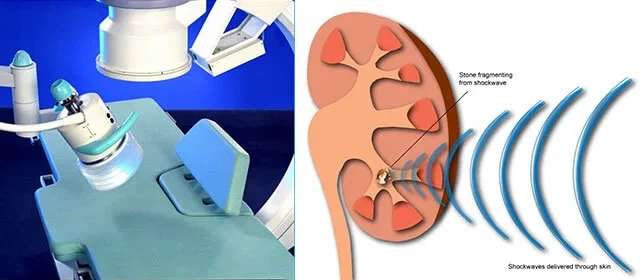
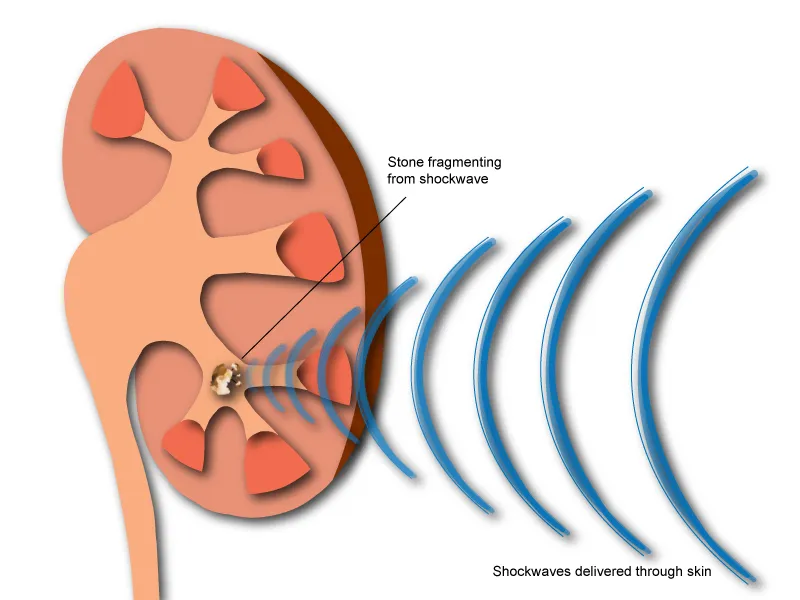
Shock wave lithotripsy is a non-invasive medical procedure used to break kidney stones into smaller fragments so they can pass naturally through the urinary tract. Unlike surgery, SWL does not require incisions. Instead, it uses high-energy sound waves—also known as shock waves—targeted precisely at the stone from outside the body.
These shock waves travel through the skin and tissues without causing damage but concentrate their energy on the stone, causing it to fragment into tiny pieces. Over time, these smaller pieces are expelled through urine.
How Does the Procedure Work?
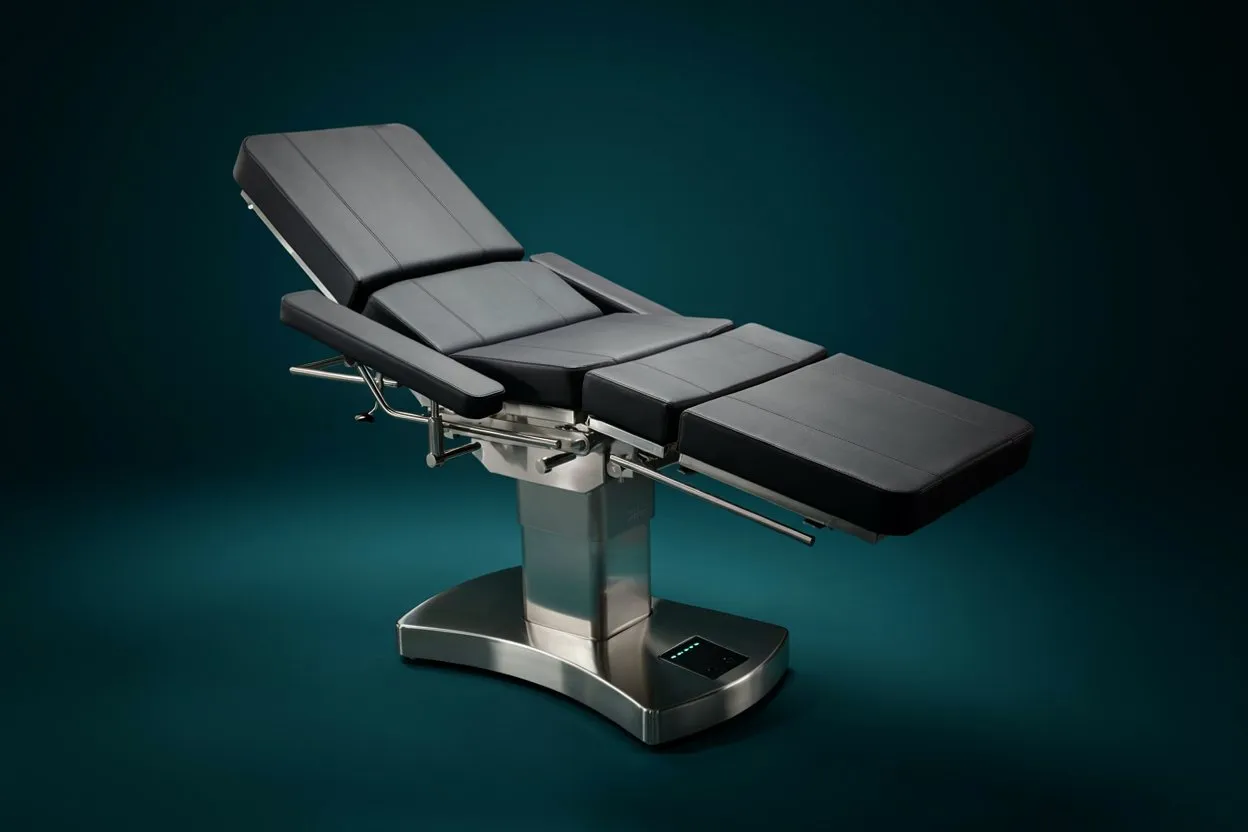
The process typically begins with imaging tests such as ultrasound or X-rays to locate the stone accurately. Once identified, the patient lies on a specialized table or is positioned in a water-filled cushion that helps transmit the shock waves effectively.
During the procedure:
- A machine called a lithotripter generates shock waves.
- These waves are focused on the kidney stone.
- Thousands of pulses are delivered over about 30–60 minutes.
- The stone gradually breaks into smaller pieces.
Most procedures are done on an outpatient basis, meaning patients can go home the same day.
Is Shock Wave Lithotripsy Really Pain-Free?
The idea of “pain-free” treatment can be a bit misleading. While SWL is far less painful than traditional surgery, it is not completely without discomfort.
Patients may feel:
- Mild to moderate pain during the procedure
- A tapping or snapping sensation as shock waves are delivered
- Some discomfort afterward as stone fragments pass
To manage this, doctors often use:
- Local anesthesia
- Sedation
- Pain-relief medications
For many, the overall experience is significantly more tolerable compared to invasive surgical options.
Who Is an Ideal Candidate?
Shock wave lithotripsy is not suitable for everyone. Its effectiveness depends on several factors, including the size, type, and location of the kidney stone.
Ideal candidates typically have:
- Stones smaller than 2 cm
- Stones located in the kidney or upper ureter
- Good overall kidney function
However, SWL may not be recommended for:
- Pregnant individuals
- Patients with bleeding disorders
- Those with very large or hard stones
- Individuals with certain anatomical abnormalities
A healthcare provider will evaluate each case carefully before recommending this treatment.
Benefits of Shock Wave Lithotripsy
SWL offers several advantages that make it a popular choice among both patients and doctors:
1. Non-invasive
No cuts, stitches, or surgical wounds are involved.
2. Minimal recovery time
Most people resume normal activities within a few days.
3. Lower risk of complications
Compared to surgery, the risks are significantly reduced.
4. Outpatient procedure
No long hospital stays are typically required.
5. Effective for many cases
It successfully treats a large percentage of small to medium-sized stones.
Potential Risks and Side Effects
While generally safe, shock wave lithotripsy is not entirely risk-free. Some patients may experience:
- Blood in the urine (common and temporary)
- Bruising or soreness in the treatment area
- Difficulty passing stone fragments
- Urinary tract infections
- Rarely, blockage caused by stone fragments
In some cases, multiple sessions may be needed if the stone does not break completely in one attempt.
For patients seeking advanced and reliable kidney stone treatment, Shock wave lithotripsy at Bangalore hospitals has become a preferred option due to access to modern equipment and experienced specialists. One trusted name in this field is Shree Srinivasa Uro Care, known for providing patient-focused urological care with advanced diagnostic and treatment facilities.
What to Expect After the Procedure
Recovery from SWL is usually quick, but patients should be prepared for a few temporary effects:
Passing Stone Fragments
You may notice small pieces of stone in your urine for several days or weeks.
Mild Discomfort
Some cramping or pain can occur as fragments move through the urinary tract.
Hydration Is Key
Drinking plenty of water helps flush out the fragments more efficiently.
Follow-Up Appointments
Doctors may schedule imaging tests to ensure the stone has been completely cleared.
Patients are often advised to strain their urine to collect stone fragments, which can then be analyzed to prevent future occurrences.
How Effective Is It?
Shock wave lithotripsy has a high success rate, especially for smaller stones. However, effectiveness can vary based on:
- Stone size and composition
- Patient’s body type
- Stone location
On average, many patients become stone-free after one or two sessions, though some may require additional treatments or alternative procedures.
Preventing Future Kidney Stones
While SWL can remove existing stones, it does not prevent new ones from forming. Lifestyle and dietary changes play a crucial role in prevention:
- Stay well-hydrated
- Reduce salt intake
- Limit foods high in oxalates (like spinach and nuts)
- Maintain a balanced diet
- Follow medical advice based on stone type
Understanding the root cause of stone formation is key to long-term prevention.
Shock wave lithotripsy represents a major advancement in the treatment of kidney stones, offering a less invasive and more patient-friendly alternative to surgery. While it may not be entirely pain-free, it significantly reduces discomfort, recovery time, and risk compared to traditional methods.
For many patients, SWL provides a safe and effective way to regain comfort and return to normal life quickly. If you’re dealing with kidney stones, consulting a healthcare professional can help determine whether this modern treatment is the right choice for you.























Sign in to leave a comment.