
Kidney stones are a common and often painful condition that affects millions of people worldwide. These hard mineral deposits form inside the kidneys and can cause severe discomfort, urinary problems, and complications if left untreated. Fortunately, modern medicine offers advanced treatment options that are both effective and minimally invasive. One such breakthrough is Shock Wave Lithotripsy (SWL)—a non-surgical procedure that has transformed the way kidney stones are treated.
Understanding Kidney Stones
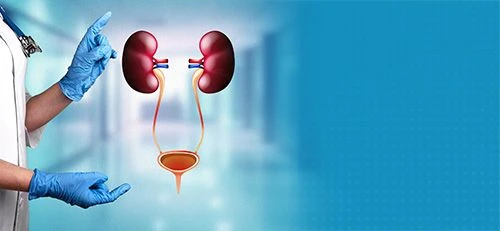
Kidney stones develop when minerals such as calcium, oxalate, or uric acid crystallize and stick together in the kidneys. Factors like dehydration, dietary habits, genetics, and certain medical conditions can increase the risk of stone formation. While small stones may pass naturally through the urinary tract, larger stones can become lodged, causing intense pain, blood in the urine, nausea, and urinary tract infections.
When stones are too large to pass on their own or cause ongoing symptoms, medical intervention becomes necessary.
What Is Shock Wave Lithotripsy?
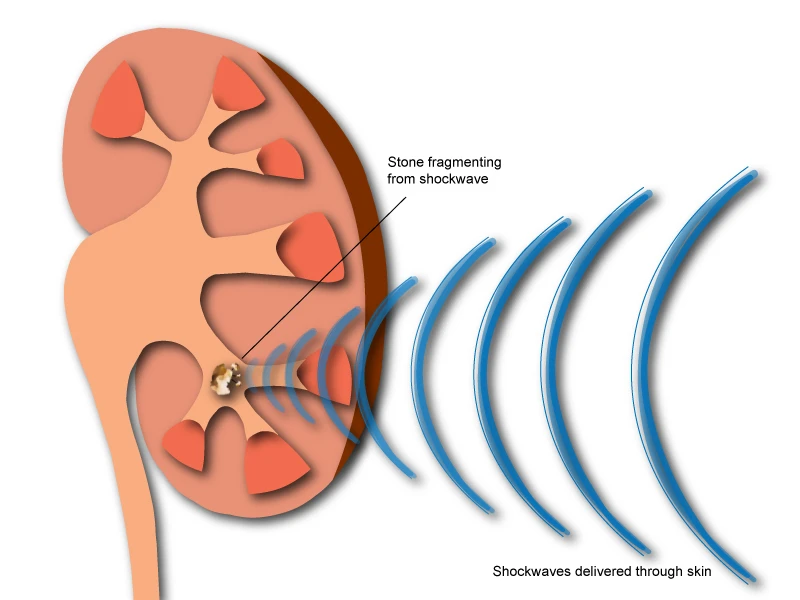
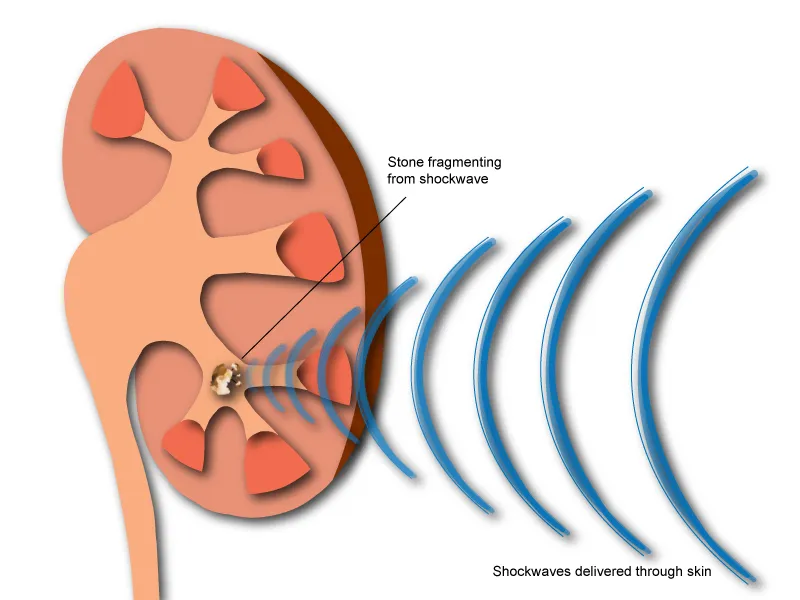
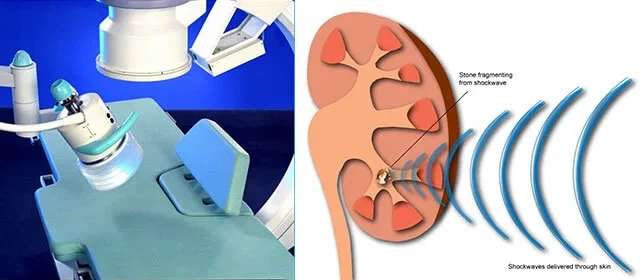
Shock Wave Lithotripsy is a non-invasive medical procedure used to break kidney stones into smaller fragments using high-energy sound waves. These shock waves are generated outside the body and precisely focused on the stone. Once broken into tiny pieces, the fragments can pass naturally through the urinary system in the urine.
Unlike traditional surgery, SWL does not require incisions, stitches, or lengthy hospital stays, making it a preferred option for many patients.
How Does Shock Wave Lithotripsy Work?
The procedure typically follows these steps:
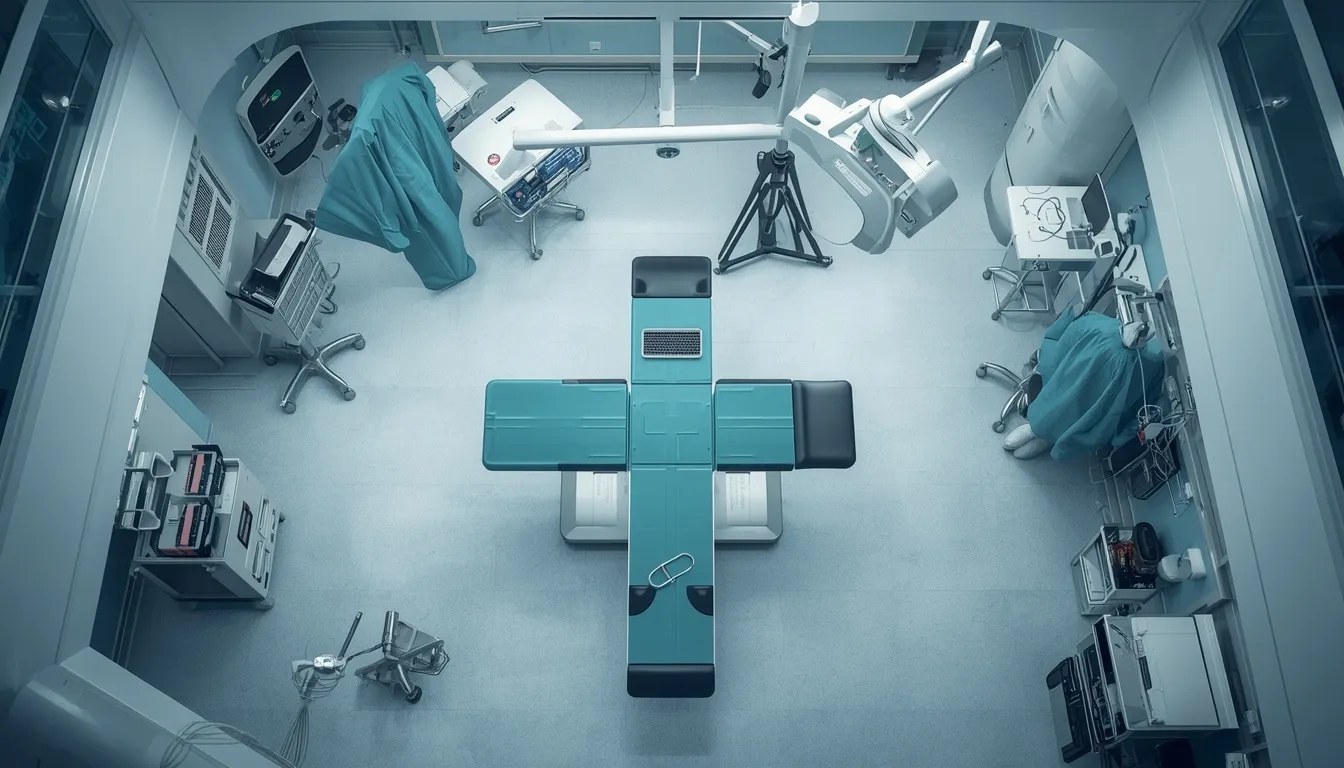
- Preparation: The patient lies on a specialized table or water-filled cushion. Imaging techniques such as X-rays or ultrasound are used to locate the kidney stone accurately.
- Shock Wave Delivery: Controlled shock waves are directed at the stone. These waves pass harmlessly through body tissues but shatter the stone upon impact.
- Fragmentation: Over time, the stone breaks into smaller pieces.
- Natural Passage: The stone fragments pass out of the body through urine over days or weeks.
The procedure usually takes about 45 to 60 minutes and is performed on an outpatient basis.
Who Is a Good Candidate for SWL?
Shock Wave Lithotripsy is most effective for patients who have:
- Kidney stones smaller than 2 centimeters
- Stones located in the kidney or upper ureter
- No significant blockage or infection
- Healthy kidney function
However, SWL may not be suitable for pregnant women, patients with bleeding disorders, severe obesity, or those with certain anatomical abnormalities. A urologist will evaluate each patient individually to determine the best treatment approach.
Benefits of Shock Wave Lithotripsy
One of the biggest advantages of SWL is that it is non-invasive. Some key benefits include:
- No surgical cuts or scars
- Minimal pain and discomfort
- Short recovery time
- Outpatient procedure
- Lower risk of complications compared to surgery
- Quick return to normal activities
Because of these advantages, SWL is often considered the first-line treatment for eligible kidney stone patients.
What to Expect During and After the Procedure
Most patients receive mild sedation or anesthesia to ensure comfort during the procedure. While the shock waves may cause slight discomfort, pain is generally well controlled.
After the procedure:
- Mild soreness or bruising around the treatment area is common
- Blood in the urine may appear for a few days
- Patients may feel cramping as stone fragments pass
- Drinking plenty of water helps flush out fragments
Doctors may prescribe pain relievers or medications to help relax the ureter and ease stone passage. Follow-up imaging is usually scheduled to ensure all stone fragments have cleared.
Recovery and Aftercare
Recovery from Shock Wave Lithotripsy is typically quick. Most patients can resume light activities within a day and return to normal routines within a few days. Passing stone fragments can take several days to weeks, depending on stone size and number.
Patients are advised to:
- Stay well hydrated
- Strain urine to collect stone fragments for analysis
- Follow dietary and lifestyle recommendations to prevent recurrence
- Attend follow-up appointments as advised
Possible Risks and Side Effects
Although Shock Wave Lithotripsy is generally safe, some risks may include:
- Temporary blood in urine
- Mild pain or discomfort
- Bruising around the treatment site
- Incomplete stone fragmentation requiring additional treatment
- Rarely, blockage caused by stone fragments
Serious complications are uncommon, especially when the procedure is performed by experienced specialists.
Preventing Kidney Stones After Treatment
Even after successful treatment, kidney stones can recur. Preventive measures play a crucial role in long-term kidney health. These may include:
- Drinking enough water daily
- Reducing salt and animal protein intake
- Maintaining a balanced diet
- Managing underlying medical conditions
- Following personalized dietary advice based on stone composition
Your doctor may recommend tests to determine the stone type and tailor prevention strategies accordingly.
Conclusion
Shock Wave Lithotripsy has transformed kidney stone treatment by offering a safe, non-invasive, and effective alternative to surgery. For patients seeking reliable shock wave lithotripsy at Bangalore, expert centers like Shree Srinivasa Uro Care provide advanced care, accurate diagnosis, and compassionate treatment. Early intervention and proper follow-up not only relieve pain but also help prevent future stone formation.


























Sign in to leave a comment.