

Urology is a medical specialty that often works quietly behind the scenes, yet its impact on quality of life is profound. It focuses on the health of the urinary tract in both men and women, as well as the male reproductive system. Because these systems are essential for everyday bodily functions—such as urination, sexual health, and hormonal balance—urological conditions can significantly affect physical comfort, emotional well-being, and social confidence. Understanding urology and addressing urological issues early can dramatically improve a person’s overall quality of life.
Understanding the Scope of Urology
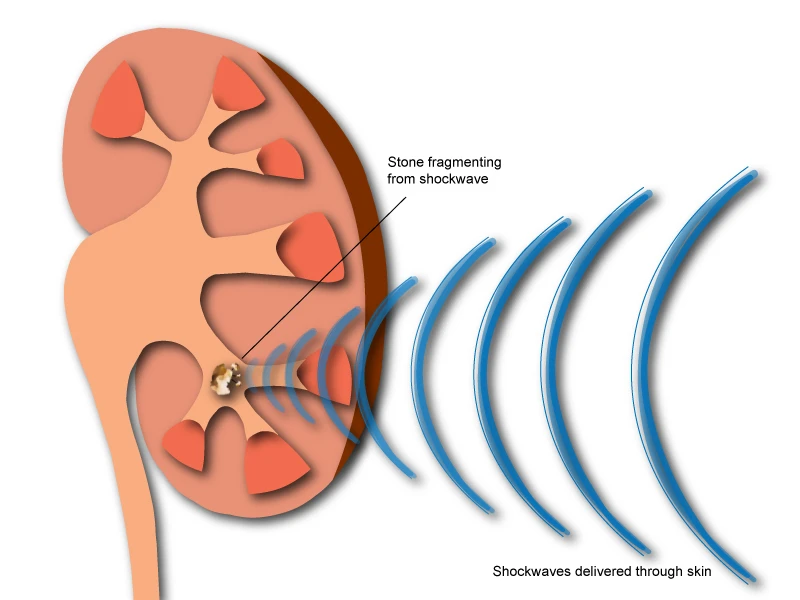
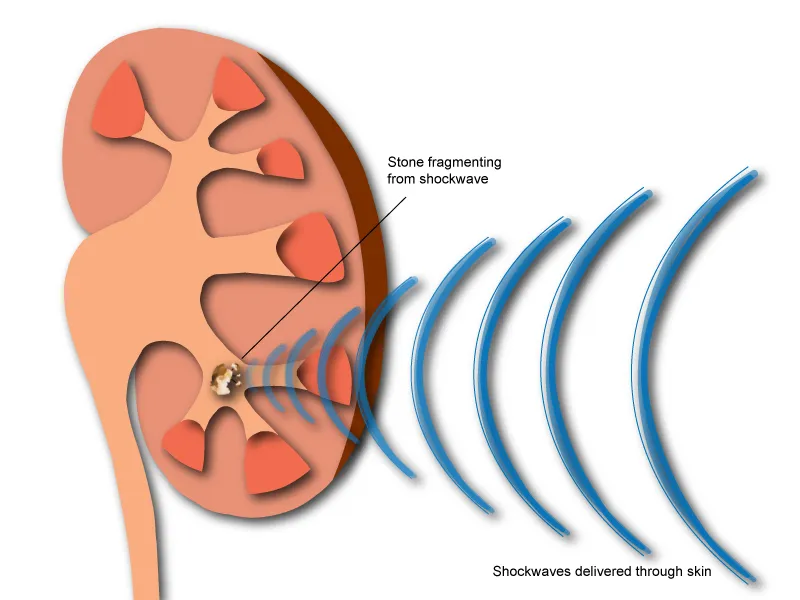
Urology covers a wide range of conditions affecting the kidneys, ureters, bladder, urethra, prostate, testes, and penis. Common urological problems include urinary tract infections (UTIs), kidney stones, urinary incontinence, enlarged prostate (benign prostatic hyperplasia), erectile dysfunction, infertility, and urological cancers such as prostate, bladder, and kidney cancer. A well-equipped urology hospital provides comprehensive diagnosis and treatment for these conditions under one roof.
Unlike some medical specialties that focus primarily on life-or-death outcomes, urology often centers on preserving dignity, comfort, and independence. The ability to urinate normally, maintain sexual function, and live without chronic pain or embarrassment plays a crucial role in how individuals perceive their health and happiness.
Physical Comfort and Daily Functioning
One of the most direct ways urology affects quality of life is through physical comfort. Conditions like kidney stones or chronic prostatitis can cause intense pain, making it difficult to work, sleep, or engage in normal activities. Urinary incontinence—whether due to aging, childbirth, surgery, or neurological conditions—can lead to constant discomfort and anxiety about leakage or odor.
Effective urological care can relieve these symptoms and restore normal functioning. Advances in minimally invasive surgeries, laser treatments, and targeted medications have made it possible to manage or cure many urological conditions with less pain and faster recovery. When physical symptoms are controlled, patients often experience immediate improvements in energy levels, mobility, and overall well-being.
Emotional and Psychological Well-Being
Urological conditions frequently carry emotional and psychological consequences that are underestimated or overlooked. Problems related to urination or sexual function can lead to embarrassment, frustration, anxiety, and depression. Many individuals delay seeking help due to stigma or fear, which can worsen both physical symptoms and mental health.
For example, erectile dysfunction can deeply affect self-esteem, intimate relationships, and emotional intimacy. Similarly, urinary incontinence may cause individuals to withdraw socially, avoid travel, or limit physical activity. Urologists not only treat the physical condition but also help normalize these experiences, providing reassurance and solutions that reduce shame and isolation.
By addressing these issues openly and professionally, urology plays a key role in restoring confidence and emotional balance, helping patients feel more in control of their bodies and lives.
Impact on Relationships and Social Life
Healthy urological function is closely linked to personal relationships and social engagement. Sexual health, fertility, and continence all influence how individuals connect with partners, family, and friends. Urological disorders can strain marriages, reduce intimacy, or create misunderstandings when symptoms are not discussed openly.
For couples dealing with infertility, urological evaluation and treatment can provide answers and options that relieve emotional distress. For older adults, managing prostate issues or bladder problems can allow continued participation in social activities without fear or discomfort. When urological health is supported, people are better able to maintain fulfilling relationships and active social lives.
Aging and Urological Health
As people age, urological issues become more common. Men may experience prostate enlargement, reduced testosterone levels, or urinary difficulties, while women may face pelvic floor disorders or recurrent UTIs, especially after menopause. These changes are often seen as an inevitable part of aging, but many can be effectively treated or managed.
Urology helps older adults maintain independence and dignity by addressing age-related changes proactively. Treatments that improve bladder control or relieve urinary obstruction can reduce the risk of falls, infections, and hospitalizations. By preserving functional ability, urological care contributes significantly to healthy aging and long-term quality of life.
Access to expert care makes a significant difference in managing urological conditions effectively. Choosing a reputed Urology Hospital at Bangalore ensures patients receive advanced diagnostic facilities, experienced specialists, and comprehensive treatment options under one roof. Shree Srinivasa Uro Care is dedicated to delivering patient-centered urological services, combining modern technology with compassionate care. By focusing on accurate diagnosis, minimally invasive treatments, and long-term wellness, the hospital helps patients regain comfort, confidence, and a better quality of life.
Preventive Care and Early Intervention
Preventive urology plays a crucial role in improving life quality. Regular screenings for prostate cancer, testicular self-examinations, and early evaluation of urinary symptoms can lead to timely diagnosis and better outcomes. Lifestyle guidance related to hydration, diet, and pelvic floor exercises can also prevent or reduce the severity of many urological problems.
Early intervention often means simpler treatments, lower costs, and less disruption to daily life. When individuals view urological checkups as a normal part of healthcare rather than something to avoid, they are more likely to stay healthy and symptom-free over the long term.
Advances in Urology and Patient-Centered Care
Modern urology has evolved to focus strongly on patient-centered care. Technological advances such as robotic surgery, advanced imaging, and precision medicine have improved both clinical outcomes and patient experiences. These innovations allow for more accurate diagnoses, smaller incisions, reduced pain, and quicker returns to normal life.
Equally important is the growing emphasis on communication and education. Urologists increasingly work with patients to understand their goals, preferences, and concerns, tailoring treatments to individual lifestyles. This holistic approach ensures that care is not just about treating disease, but about enhancing overall quality of life.
Conclusion
Urology has a far-reaching impact on quality of life that extends beyond physical health. By addressing essential bodily functions, supporting emotional well-being, preserving relationships, and promoting independence, urological care helps individuals live more comfortably and confidently. Whether through preventive screening, effective treatment, or compassionate guidance, urology plays a vital role in helping people maintain dignity and vitality at every stage of life. Recognizing the importance of urological health is a key step toward a healthier, happier, and more fulfilling life.




























Sign in to leave a comment.