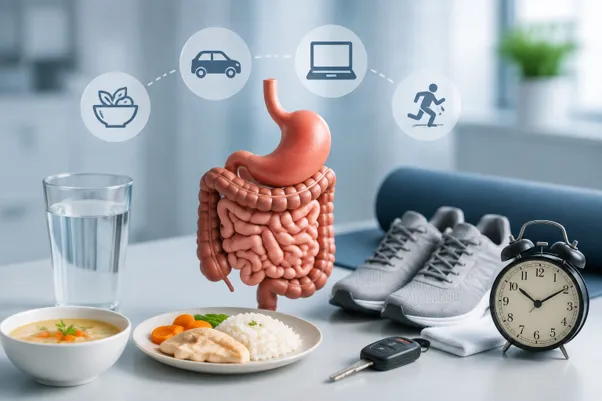

After an endoscopy, many people have the same concerns: “When can I eat again?” “Can I drive home?” “When can I return to work?” and “Is exercise safe?” Most people recover quickly after an endoscopy procedure, but recovery timing depends on factors such as sedation, the type of examination performed, and individual health conditions.
This guide explains what happens after the procedure, when you can resume daily activities, what foods may help recovery, and which symptoms require medical attention.
Important Facts About Endoscopy Recovery
Endoscopy recovery is usually short because most procedures are performed on an outpatient basis.
- According to the National Institute of Diabetes and Digestive and Kidney Diseases (NIDDK), upper GI endoscopy allows doctors to examine the upper digestive tract and is commonly performed without hospital admission.
- The American Society for Gastrointestinal Endoscopy (ASGE) explains that sedation can temporarily affect thinking, coordination, and reflexes, which is why patients are advised to arrange transportation after the procedure.
These guidelines help patients plan their recovery and avoid activities that may not be safe immediately afterward.
What Happens Immediately After an Endoscopy?
After an endoscopy, patients are monitored until they are awake, stable, and ready to leave safely.
After the procedure, you are usually moved to a recovery area where healthcare professionals monitor your condition as sedation wears off. Some people feel sleepy, slightly confused, or tired for several hours.
Common temporary effects may include:
- Mild throat irritation
- Feeling bloated from air used during the procedure
- Gas or abdominal discomfort
- Mild fatigue
These symptoms are generally short-term and improve as your body recovers.
If you want to understand the procedure itself before focusing on recovery, you can learn more about the endoscopy procedure and what it involves.
What Symptoms Are Normal After an Endoscopy?
Mild discomfort, tiredness, and temporary bloating are common after an endoscopy.
Recovery experiences vary from person to person. Someone who only had a diagnostic examination may feel normal sooner than someone who had a biopsy or additional treatment.
Normal short-term symptoms may include:
- A sore throat after an upper endoscopy
- Mild stomach discomfort
- Sleepiness after sedation
- Temporary changes in appetite
However, symptoms that become severe or continue to worsen should not be ignored.
When Can You Eat After an Endoscopy?
Most people can start eating once they are fully awake and their swallowing ability has returned.
Your first meal after an endoscopy does not need to be complicated. Starting with lighter foods can be more comfortable, especially if your throat feels irritated.
Good options may include:
- Soft foods
- Soups
- Light meals
- Easily digestible foods
It is usually better to eat slowly and notice how your body responds before returning to heavier meals.
Your healthcare provider may provide different instructions if your procedure involves a biopsy or treatment.
What Foods Should You Eat After an Endoscopy?
Foods that are gentle on your digestive system are often easier to tolerate during early recovery.
| Better Choices | Foods to Limit Initially |
| Soft foods | Very spicy foods |
| Light meals | Heavy or greasy foods |
| Soups and fluids | Alcohol |
| Easy-to-digest options | Foods causing discomfort |
Your food choices may depend on your comfort level and whether you experience throat soreness, nausea, or bloating.
Can You Drive After an Endoscopy?
You should avoid driving after an endoscopy if sedation was used until the effects have completely worn off.
Sedation can affect reaction time, concentration, and judgment even when you feel awake. This is why many patients need someone else to drive them home.
Before your appointment:
- Arrange transportation.
- Avoid planning important decisions immediately afterward.
- Follow your discharge instructions.
Patients who do not receive sedation should still confirm driving guidance with their healthcare provider.
How Soon Can You Return to Work After an Endoscopy?
Many people return to work the next day, but the timeline depends on their procedure and type of job.
Recovery needs are different for each person.
| Work Type | General Consideration |
| Desk-based work | Often resumes quickly if the person feels well |
| Physical work | May require additional rest |
| Driving or machinery-related jobs | Requires full alertness before returning |
For example, someone working from home may return sooner than someone whose job requires lifting or physical activity.
When Can You Exercise After an Endoscopy?
Light activity may resume when you feel comfortable, but strenuous exercise may need to wait.
Walking and gentle movement are often easier to restart than intense workouts. Activities involving heavy lifting or significant physical effort may require additional caution.
Before exercising, consider:
- Whether sedation was used
- Whether a biopsy was taken
- Whether you feel dizzy or unusually tired
- Whether your provider gave activity restrictions
A gradual return to activity supports a comfortable healing process.
How Long Does Endoscopy Recovery Take?
Most people recover within hours to a few days, depending on the procedure and their individual health situation.
A general recovery timeline may look like this:
First few hours:
- Rest while sedation wears off.
- Avoid driving.
- Follow food and medication instructions.
First day:
- Resume light meals.
- Avoid strenuous activities.
- Monitor symptoms.
Following days:
- Return to normal activities unless advised otherwise.
Recovery time may be longer if the procedure involves additional treatment.
Why Does Endoscopy Recovery Time Differ Between People?
Recovery varies because each person responds differently to the procedure, sedation, and healing process.
Factors that influence recovery include:
- Type of procedure performed
- Whether tissue samples were collected
- Sedation method
- Existing health conditions
- Individual response to medications
For example, recovery after a simple examination may differ from recovery after an EGD procedure that includes additional steps. More additional procedures may be performed depending on individual conditions.
What Should You Avoid After an Endoscopy?
Avoid activities that may be unsafe while sedation effects or procedure-related discomfort remain.
Recovery checklist:
- Do not drive after sedation.
- Avoid alcohol until advised by your healthcare provider.
- Avoid heavy exercise too soon.
- Follow medication instructions carefully.
- Do not ignore unusual symptoms.
Following these precautions helps reduce avoidable problems during recovery.
When Should You Contact a Doctor After an Endoscopy?
Certain symptoms require medical advice because they may indicate complications.
Seek guidance if you experience:
- Severe or worsening abdominal pain
- Persistent vomiting
- Fever
- Difficulty swallowing
- Significant bleeding
- Symptoms that continue getting worse
While mild discomfort is common, unusual or worsening symptoms should always be discussed with a healthcare professional.
Pro Tip: How Can You Prepare for an Easier Recovery?
Planning before your procedure can make the recovery period more comfortable.
Helpful steps include:
- Arrange transportation before the appointment.
- Prepare simple foods at home.
- Keep your schedule flexible.
- Ask about activity restrictions before leaving.
- Save your discharge instructions for reference.
Being prepared allows you to focus on rest and recovery.
Key Takeaways
- Most people recover from endoscopy within hours to a few days.
- Eating can usually restart once swallowing ability returns and instructions are followed.
- Driving should be avoided after sedation until alertness and coordination fully return.
- Work and exercise schedules depend on the procedure type and individual recovery.
- Knowing normal symptoms and warning signs helps support a safer recovery.
Understanding Your Recovery Can Help You Return to Your Routine Safely
Endoscopy recovery is usually manageable when you understand what to expect and follow the right precautions. Eating, driving, working, and exercising timelines depend on your procedure details and personal health needs. Paying attention to your body and following professional guidance can help you recover comfortably. If you have questions about your recovery plan, discuss them with your healthcare provider for advice based on your specific situation.
Frequently Asked Questions About Endoscopy Recovery
1. Can I drink coffee after an endoscopy?
Many people can return to coffee once they are cleared to eat and drink normally. However, waiting until throat irritation or stomach discomfort improves may make the experience more comfortable.
2. Can I sleep alone after an endoscopy with sedation?
Some people may need assistance after sedation because they can remain drowsy for several hours. Follow discharge instructions regarding supervision and safety after returning home.
3. Can an endoscopy affect bowel movements?
Temporary changes in bowel habits can occur due to changes in eating patterns, preparation instructions, or digestive sensitivity. These changes usually improve as normal routines resume.
4. Can I travel after having an endoscopy?
Travel plans depend on the procedure type, sedation used, and how you feel afterward. Discuss longer trips with your healthcare provider, especially after procedures involving treatment.
5. When will biopsy results be available after an endoscopy?
Biopsy results are not usually available immediately because tissue samples require laboratory analysis. Timing varies but often takes several days depending on testing requirements.
























Sign in to leave a comment.