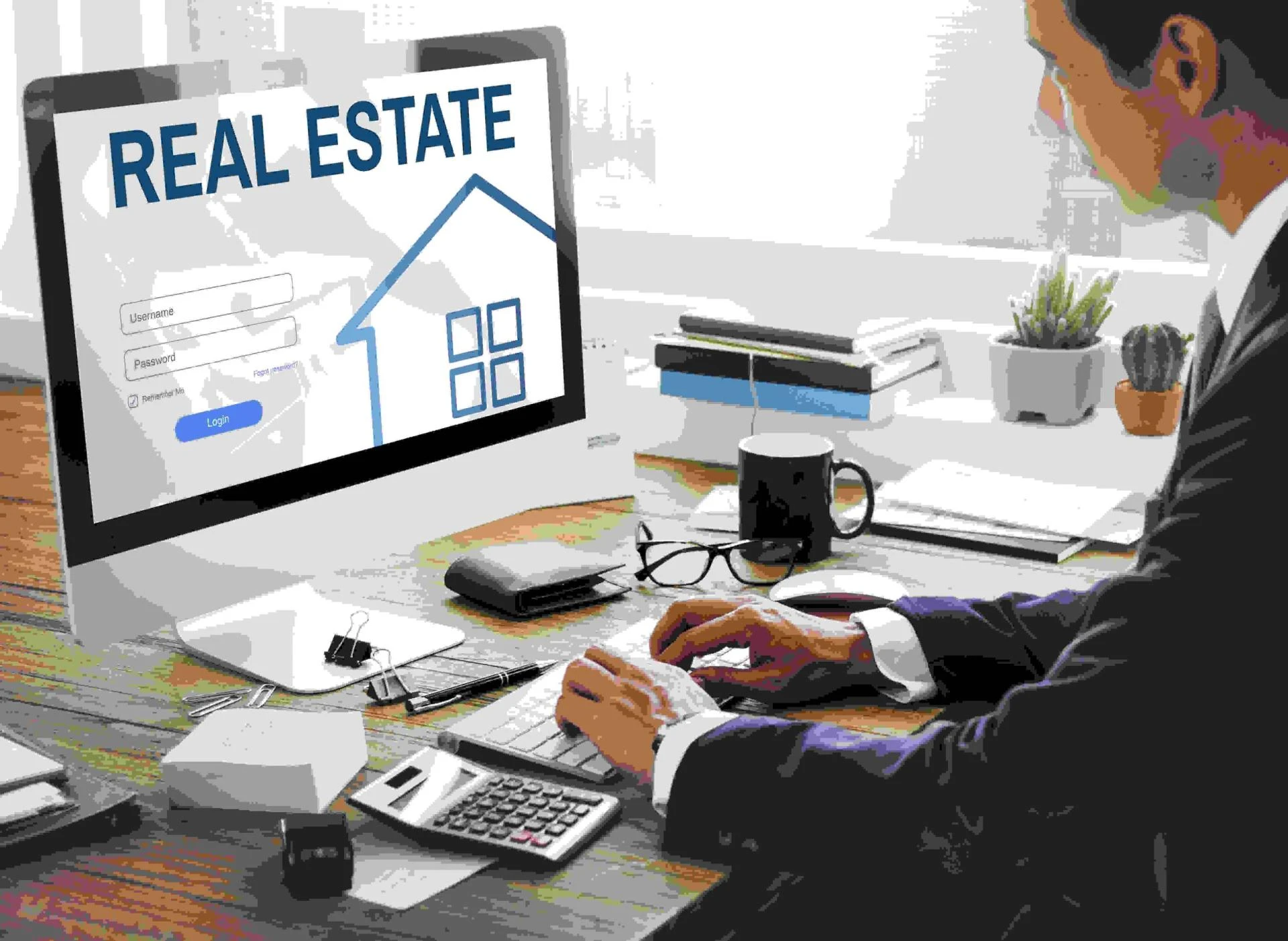

Commercial real estate is a dynamic and competitive industry that requires strategic and effective property management to enhance value and achieve long-term success. Property management plays a pivotal role in attracting high-quality tenants, maximizing returns, and maintaining the overall health of commercial properties. This article delves into the key components of effective property management and explores how they contribute to the success of commercial real estate investments.
Strategic Tenant Acquisition and Retention
Tenant screening and selection: The Foundation for Success
Effective property management begins with a rigorous tenant screening process. Thoroughly vetting potential tenants helps ensure that they are financially stable, responsible, and aligned with the property's objectives. By selecting tenants who are a good fit for the property, property managers can mitigate risks and foster a positive tenant mix.
Establishing strong lease agreements:
Protecting Interests and Ensuring Compliance
Well-crafted lease agreements are essential for protecting the interests of property owners and minimizing potential disputes. Property managers must draft comprehensive leases that outline tenant obligations, rent payment terms, and maintenance responsibilities. Strong lease agreements provide a solid foundation for a successful landlord-tenant relationship.
Proactive tenant relationship management:
Enhancing Tenant Satisfaction and Retention
Building positive relationships with tenants is crucial for tenant satisfaction and retention. Effective property managers are responsive to tenant concerns, promptly address maintenance issues, and foster open lines of communication. By providing exceptional customer service and personalized attention, property managers create an environment where tenants feel valued and are more likely to renew their leases.
Optimal Maintenance and Asset Preservation
Regular property inspections:
Identifying and Addressing Maintenance Needs
Regular inspections are essential to identify maintenance issues and address them promptly. Property managers should conduct routine inspections to assess the condition of the property, identify potential hazards, and ensure compliance with safety regulations. Timely maintenance interventions can prevent minor issues from escalating into costly repairs and protect the long-term value of the property.
Timely repairs and maintenance:
Preserving the Property and Minimizing Expenses
Promptly addressing repairs and maintenance needs is crucial for preserving the value of a commercial property. Property managers should have a network of reliable contractors and service providers to ensure that repairs are executed efficiently. By prioritizing property maintenance, managers can create a safe and attractive environment for tenants and protect the property's market value.
Preventive maintenance programs:
Proactive Approaches to Asset Preservation
Implementing preventive maintenance programs is a proactive approach to asset preservation. Property managers should develop comprehensive maintenance schedules for crucial systems such as HVAC, plumbing, and electrical. Regularly servicing and inspecting these systems can prevent unexpected breakdowns, reduce repair costs, and extend the lifespan of equipment, ultimately enhancing the property's value.
Financial Management and Performance Optimization
Effective rent collection and lease administration
Property managers must have robust systems in place for rent collection and lease administration. Timely rent collection ensures consistent cash flow for property owners, while efficient lease administration minimizes administrative errors and ensures compliance with lease terms. Implementing automated rent collection systems and streamlining lease administration processes can optimize financial management.
Budgeting and expense control:
Maximizing Profitability
Property managers play a crucial role in budgeting and expense control to maximize profitability. By carefully analyzing historical data and market trends, managers can develop accurate budgets that allocate funds appropriately. Implementing cost-saving measures, negotiating favorable contracts with vendors, and monitoring expenses can help optimize the property's financial performance.
Financial reporting and analysis:
Data-Driven Decision Making
Property managers should provide regular financial reports to property owners, offering transparency and insight into the property's performance. By analyzing financial data, managers can identify trends, evaluate the effectiveness of strategies, and make data-driven decisions. Comprehensive financial reporting allows property owners to assess the property's profitability and make informed investment decisions.
Property Marketing and Tenant Experience
Strategic marketing and advertising:
Attracting High-Quality Tenants
Effective property managers employ strategic marketing and advertising techniques to attract high-quality tenants. They develop targeted marketing campaigns, leverage online platforms, and collaborate with real estate brokers to showcase the property's unique features and advantages. By effectively marketing the property, managers can attract tenants that align with the property's objectives and maximize its value.
Tenant-centric amenities and services:
Creating Exceptional Tenant Experiences
Property managers should focus on creating exceptional tenant experiences by providing tenant-centric amenities and services. This includes maintaining common areas, offering convenient parking facilities, and providing responsive property management staff. By prioritizing tenant satisfaction and comfort, managers can foster long-term tenant relationships and minimize vacancies.
Lease renewal strategies:
Minimizing Vacancies and Maximizing Revenue
Successful property managers implement proactive lease renewal strategies to minimize vacancies and maximize revenue. By engaging with tenants well in advance of lease expiration, managers can assess tenant needs, negotiate lease terms, and address any concerns. Retaining existing tenants reduces turnover costs and ensures a stable income stream for property owners.
Risk Management and Compliance
Insurance coverage and risk mitigation strategies
Property managers must ensure adequate insurance coverage to protect the property and mitigate potential risks. They should collaborate withinsurance professionals to assess the property's unique risks and obtain appropriate coverage. Additionally, property managers should implement risk mitigation strategies such as conducting regular safety inspections, maintaining security systems, and adhering to building codes and regulations.
Regulatory compliance:
Staying Current with Laws and Regulations
Compliance with laws and regulations is paramount in commercial real estate property management. Property managers should stay updated on local, state, and federal regulations, including building codes, zoning laws, and tenant rights. By proactively ensuring compliance, managers can mitigate legal risks and maintain a positive reputation in the industry.
Emergency preparedness and security measures:
Ensuring Tenant Safety
Property managers play a vital role in creating a safe and secure environment for tenants. They should develop emergency preparedness plans, including evacuation procedures and communication protocols, to protect tenants in the event of emergencies. Implementing security measures such as surveillance systems and access controls enhances tenant safety and reduces the risk of security incidents.
Conclusion
Effective property management is the cornerstone of success in commercial real estate. By strategically acquiring and retaining high-quality tenants, optimizing maintenance practices, implementing sound financial management strategies, enhancing property marketing and tenant experiences, and prioritizing risk management and compliance, property managers can enhance the value and long-term success of commercial real estate investments.
Through meticulous tenant screening, strong lease agreements, and proactive tenant relationship management, property managers can attract and retain tenants that align with the property's objectives. Optimal maintenance practices, including regular inspections and preventive maintenance programs, preserve the property's condition, minimize expenses, and extend its lifespan.































Sign in to leave a comment.