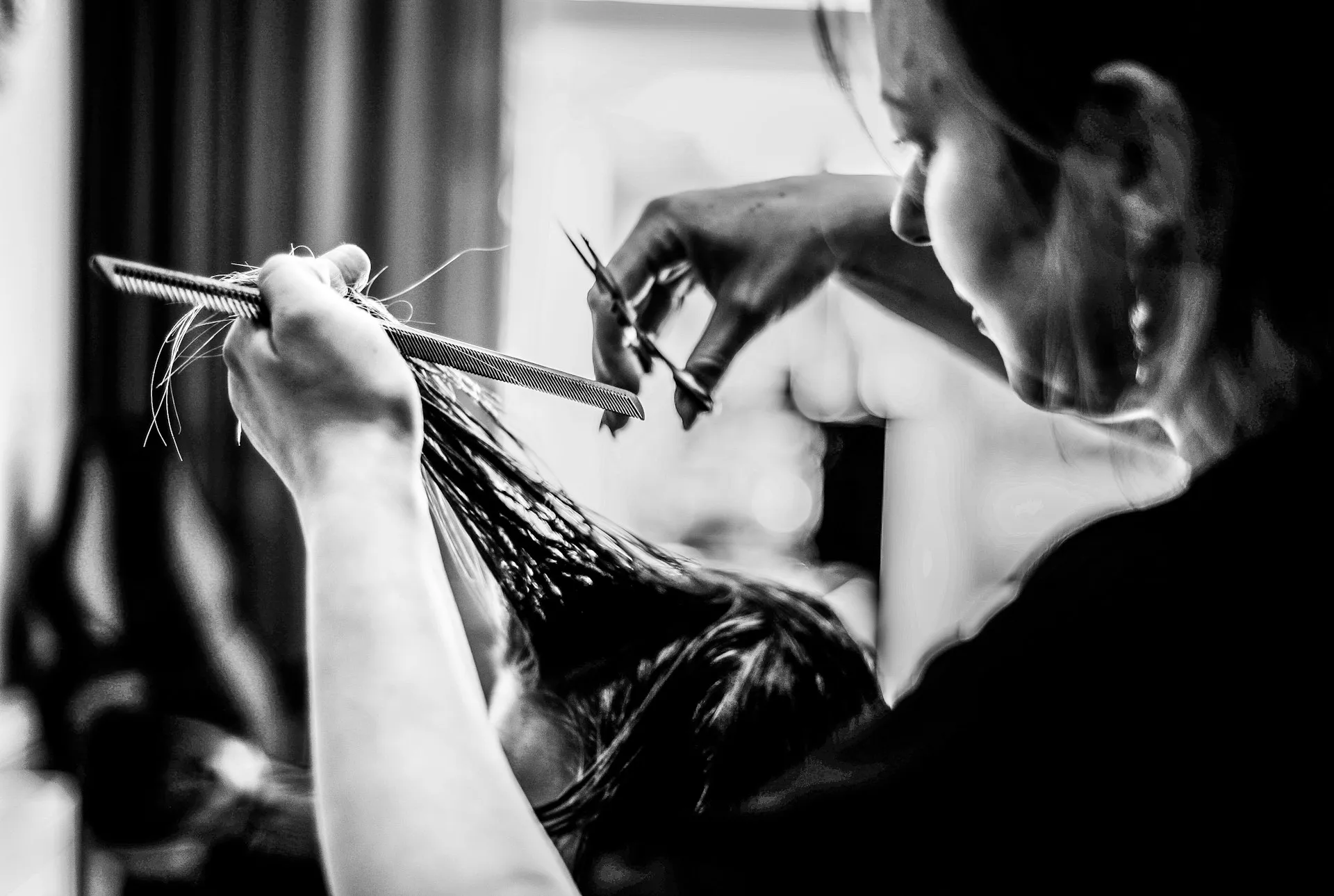
A rainy afternoon in Manhattan tells the whole story. One person steps out of the subway with smooth, glass-like hair still perfectly in place. Another spends ten minutes fixing frizz in a coffee shop mirror. New York weather can be brutal on hair, and people here tend to notice what actually works. That’s part of the reason Japanese hair straightening never really faded away.
For years, clients searching for a reliable New York City styling solution have continued turning toward treatments offered at a japanese hair salon NYC location. Trends come and go — curtain bangs, wolf cuts, expensive blowouts that last two days at best — but permanent straightening keeps surviving the cycle. Strange, but true.
The appeal goes deeper than aesthetics. Time matters in New York. Efficiency matters even more.
The City Rewards Low-Maintenance Beauty
New Yorkers move fast. Morning routines often compete with subway schedules, long commutes, packed calendars, and unpredictable humidity. Hair that requires constant styling becomes exhausting after a while.
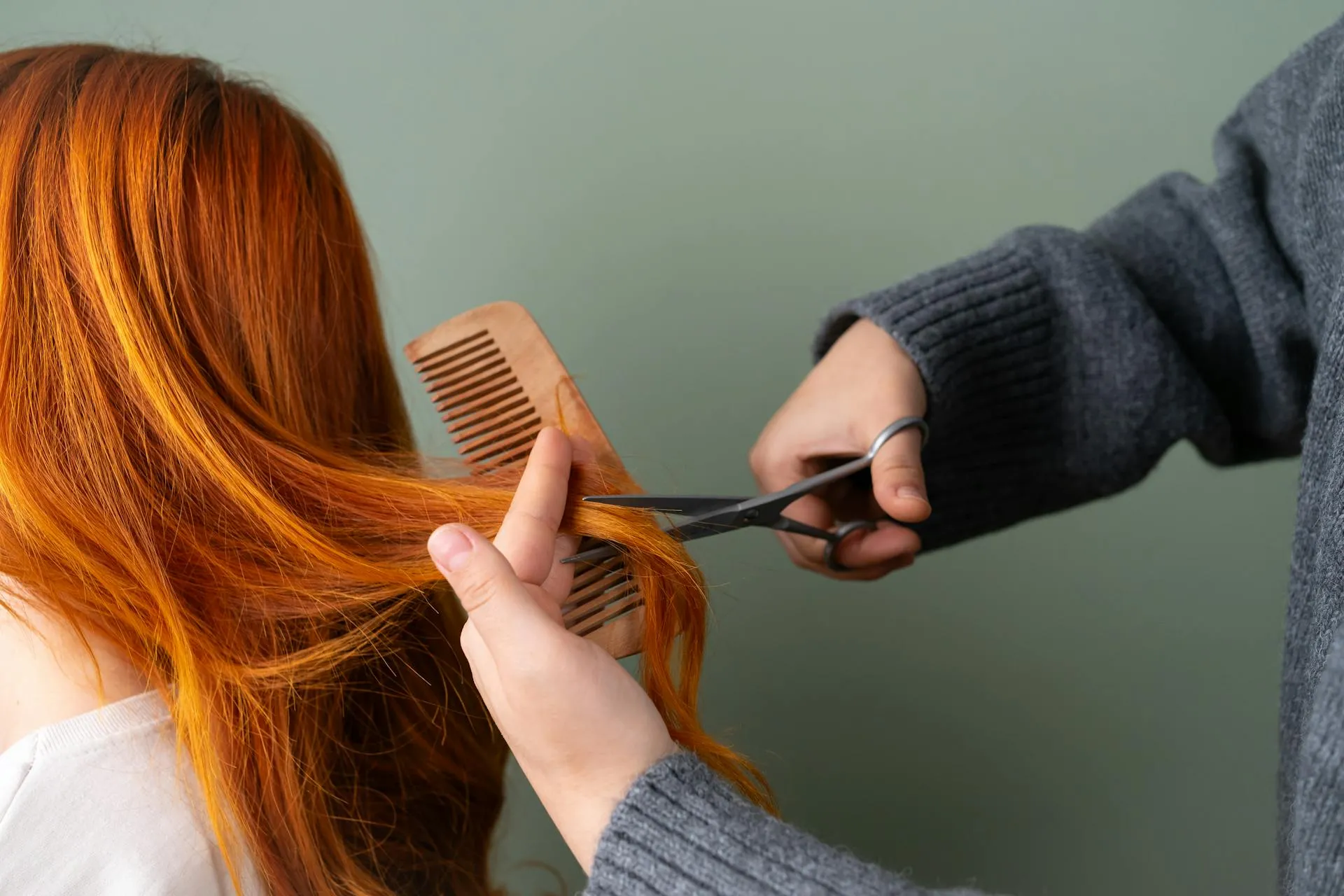
Japanese hair straightening fits neatly into that lifestyle because it reduces daily effort. Once completed properly, the treatment changes the hair’s structure permanently, leaving it smooth, sleek, and manageable for months. Sometimes longer.
That reliability is important.
Keratin treatments, for example, became wildly popular because they promised softness and reduced frizz. But many clients eventually realized the results faded quickly. A few humid weeks in summer, and the texture started creeping back. Japanese straightening operates differently. It restructures the hair bonds entirely rather than coating them temporarily.
Big difference.
People who commit to the process usually aren’t looking for a quick beauty trend. They want consistency. Especially professionals working in finance, media, fashion, hospitality, or corporate environments where polished presentation quietly matters every day.
The Influence of Japanese Haircare Philosophy
Another reason this treatment remains respected is the precision behind it. Japanese beauty culture tends to emphasize technique, patience, and hair health rather than dramatic shortcuts. Skilled stylists trained in thermal reconditioning approach the process almost scientifically.
That reputation carries weight in New York’s beauty scene.
Clients often associate Japanese salons with meticulous consultations, detailed strand testing, and customized formulas. Ever noticed how people trust specialists more when a service feels technical? Hair straightening falls into that category. One wrong chemical balance can seriously damage hair, so expertise becomes part of the product itself.
And honestly, many clients are willing to sit through a five-hour appointment if the outcome means easier mornings for the next year.
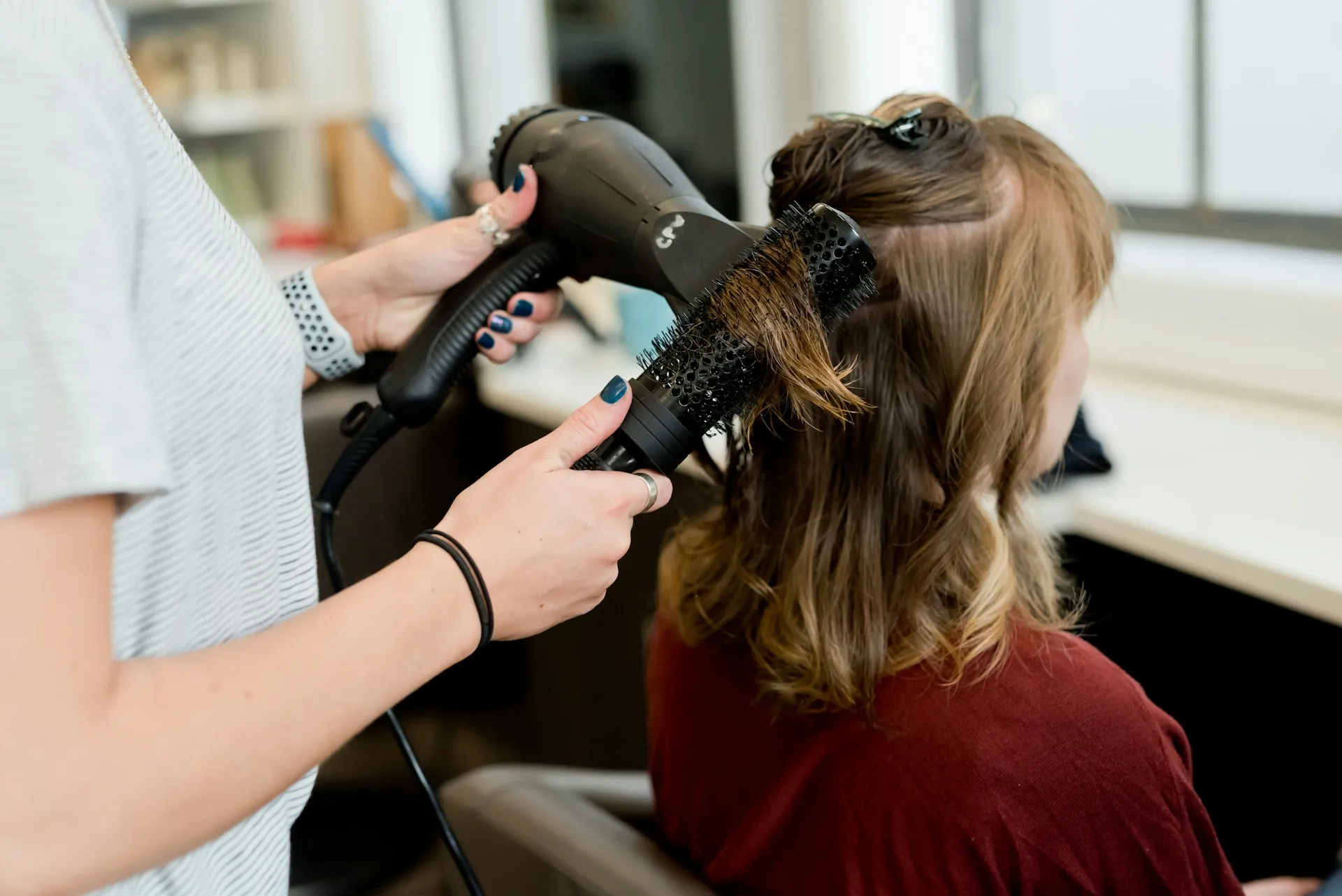
Humidity Is the Real Villain
There’s also the climate factor. Summers in New York City are notoriously humid. Not tropical, exactly. Just sticky enough to ruin hairstyles by lunchtime.
For people with naturally curly, wavy, coarse, or highly reactive hair textures, that humidity battle becomes frustrating over time. Blowouts collapse. Flat-ironed styles puff back up. Expensive styling sprays barely survive a subway platform in August.
Japanese straightening offers something close to weather resistance. Not perfection — hair is still hair — but dramatically improved control.
That practical advantage explains why many long-term clients quietly stick with the treatment year after year. It becomes less about fashion and more about reducing stress. Tiny daily annoyances add up faster than people realize.
The Luxury of “Wake Up and Go” Hair
There’s a psychological side to this too.
Low-maintenance beauty creates a sense of control. Hair affects confidence more than most people admit publicly. A good hair day can shift posture, mood, even social comfort. Bad hair? Different story.
Japanese straightening appeals to people who want predictability. Wake up, brush hair, leave the apartment. Done.
For busy parents, executives, students, or performers, that convenience feels luxurious in its own way. Not flashy luxury. Functional luxury.
A stylist in downtown Manhattan once described the treatment as “buying back time.” That phrasing stuck because it captures the emotional appeal perfectly. Less heat styling. Less damage from repeated flat ironing. Less panic before meetings or dates during humid weather.
New Yorkers value anything that simplifies life without sacrificing appearance.
Social Media Helped — But Didn’t Create the Demand
TikTok and Instagram definitely revived interest in sleek, ultra-shiny hair aesthetics. Glossy straight styles photograph well. They always have.
Still, Japanese hair straightening existed long before social media algorithms started pushing transformation videos. The treatment survived because results speak louder than marketing. Someone walks into an office with impossibly smooth hair, and eventually coworkers ask questions.
Word spreads quietly.
That organic reputation matters more than influencers sometimes. Especially in beauty services where disappointment becomes visible immediately. A failed haircut hides under a hat. A failed straightening treatment? Much harder to ignore.
So salons that maintain loyal straightening clients usually earn that trust slowly over years, not viral clips.
Modern Techniques Feel Less Harsh Than Before
Older versions of permanent straightening developed a reputation for causing dryness or breakage. Some of that criticism was fair. Early techniques could be aggressive, particularly when performed incorrectly.
The industry adapted.
Modern formulas, improved heat tools, bond-protecting products, and more advanced consultation practices have made the process safer for many hair types. Not universally safe — honest stylists still turn certain clients away — but significantly more refined than treatments from fifteen years ago.
That evolution helped preserve the service’s popularity instead of letting it become outdated.
Many salons now combine straightening expertise with customized aftercare strategies, hydration treatments, and texture management plans. The experience feels more sophisticated overall. Less one-size-fits-all.
Why New Yorkers Still Seek It Out
Beauty trends in New York are notoriously ruthless. Treatments disappear quickly when results fail to justify the price or effort. Yet Japanese hair straightening continues attracting loyal clients decade after decade.
That says something.
Part of it comes down to practicality. Part of it comes down to confidence. And part of it reflects the city itself — ambitious, appearance-conscious, fast-moving, occasionally exhausting.
People here don’t always chase trends. Sometimes they stick with what genuinely improves daily life.
A client searching for the New York City best salon in New York often ends up prioritizing consistency over hype, especially with hair treatments that permanently alter texture. Reputation, technique, and long-term results matter more than flashy branding after a certain point.
And maybe that explains the staying power better than anything else. Japanese hair straightening never depended entirely on trends. It solved a real problem for real people.



























Sign in to leave a comment.