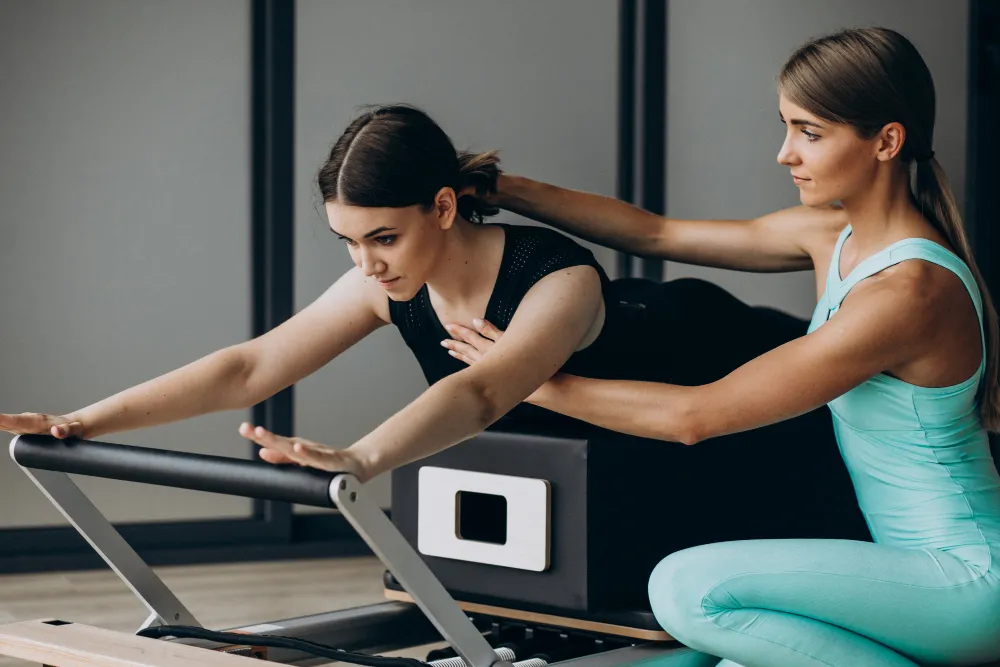

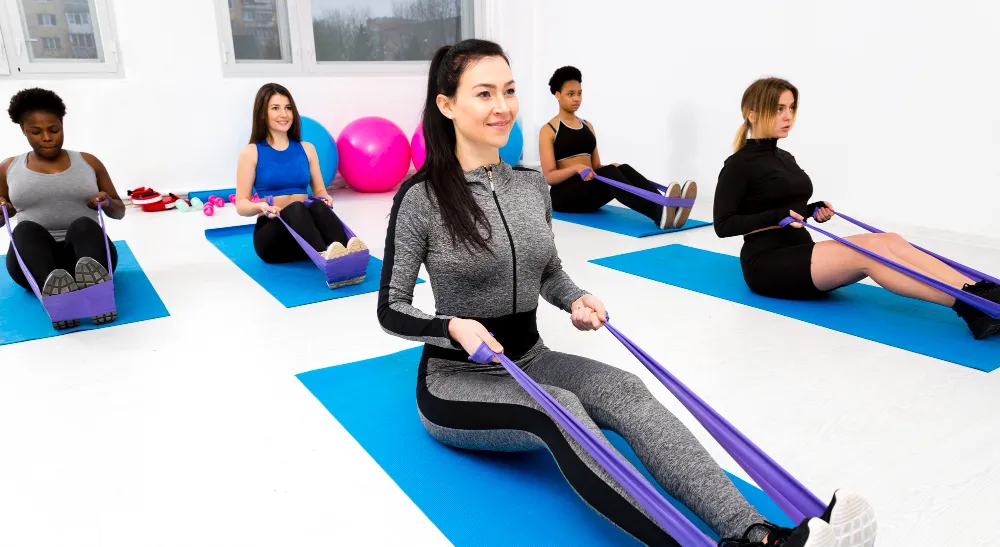
A lot of people walk into Pilates expecting a gentle stretching class and walk out wondering why their legs feel like jelly. That disconnect says quite a bit about Pilates itself. It looks calm from the outside. Controlled breathing, slow movements, instructors talking about alignment every few seconds. Nothing dramatic.
Then the soreness arrives the next morning.
Not the chaotic, can’t-lift-your-arms soreness from bootcamp workouts. Different kind. Deeper somehow.
That quiet intensity is one reason interest in pilates classes San Antonio continues to grow among people who are tired of extreme fitness trends. There’s only so long someone can survive on punishing workouts, restrictive meal plans, and fitness advice screamed through a phone screen before burnout kicks in.
And burnout always shows up eventually.
Pilates and Weight Loss: The Misunderstood Relationship
Pilates usually doesn’t burn calories at the same rate as running or high-intensity interval training. A single class probably won’t leave a smartwatch exploding with impressive numbers. That disappoints people sometimes, especially those trained to believe sweat equals success.
But calorie burn during exercise tells only part of the story.
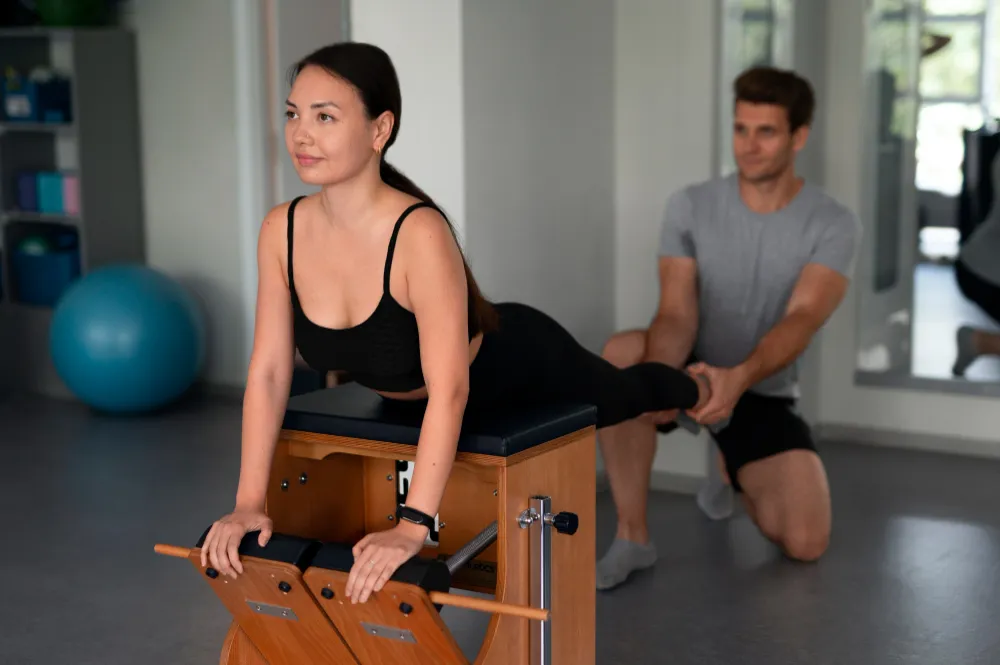
Weight loss depends on consistency, movement quality, muscle development, recovery, stress levels, sleep patterns, eating habits — all tangled together in ways most quick-fix fitness programs conveniently ignore.
Pilates affects several of those areas at once.
That’s the interesting part.
Why Some Bodies Respond Surprisingly Well to Pilates
Ever noticed how some people start exercising hard and instantly get injured? Tight hips. Achy knees. Lower back pain that suddenly appears after one enthusiastic gym session. Pretty common, actually.
Pilates tends to work differently because it focuses on how the body moves before pushing intensity too aggressively. Core stability, posture, joint alignment, breathing mechanics — the less glamorous stuff that ends up mattering long term.
A body moving efficiently usually becomes more active overall. Walking feels easier. Strength training improves. Energy levels rise instead of crashing constantly.
That gradual increase in daily movement can contribute to fat loss without the body feeling constantly punished.
Subtle. But powerful over time.
Muscle Tone Changes Before the Scale Does
Someone starts Pilates consistently and after several weeks the scale barely changes, yet clothes suddenly fit differently. Waistline looks tighter. Shoulders sit better. Posture improves enough that the entire body appears leaner.
Pilates builds muscular endurance and strengthens stabilizing muscles that many workouts barely touch. Those changes reshape how the body carries itself.
There’s also something psychological happening there.
When posture improves, confidence often follows. People stand differently. Move differently. Even breathing changes a little. Hard to measure scientifically perhaps, but noticeable in real life.
The scale doesn’t capture any of that.
Stress Has More Influence on Weight Than People Admit
Modern fitness culture acts like fat loss is just math. Calories in, calories out. End of discussion.
Human bodies aren’t spreadsheets though.
Stress affects hunger, sleep, cravings, hormone regulation, and fat storage patterns. Especially around the stomach area. Many people know this instinctively. During stressful periods, healthy routines tend to collapse first.
Pilates helps some individuals slow down mentally while training physically at the same time. Controlled breathing and focused movement create a different atmosphere compared to loud, adrenaline-heavy workouts.
Not magical. Just calmer.
And strangely enough, calmer bodies often make better long-term decisions.
Reformer Pilates Gets Attention for a Reason
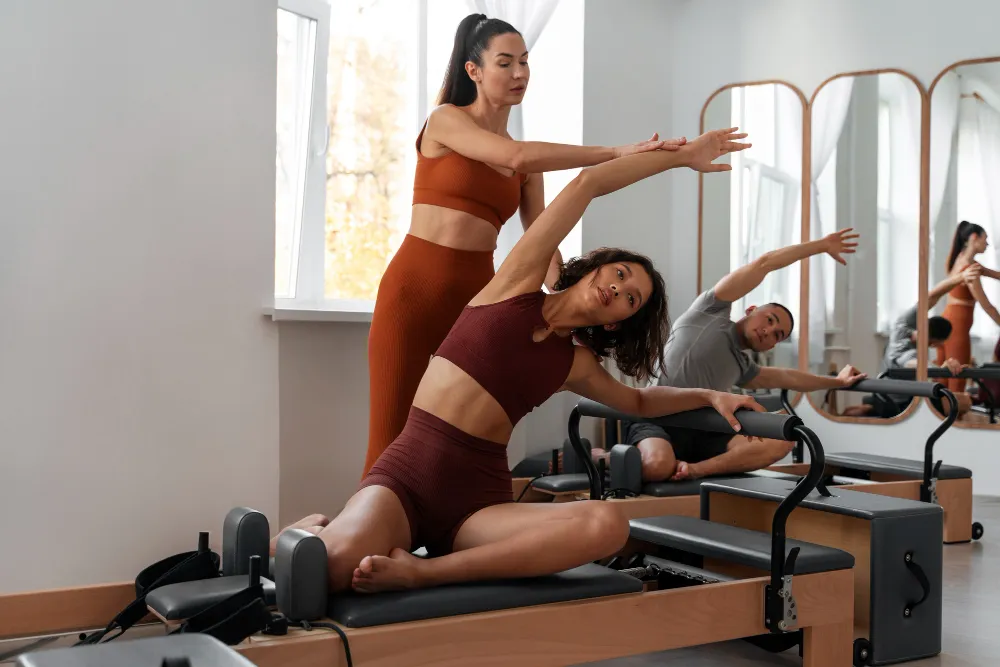
The giant reformer machines can look intimidating initially. Straps, springs, sliding platforms. Almost medieval in appearance.
Still, reformer Pilates creates resistance in ways bodyweight exercises sometimes can’t. Muscles stay under tension longer, small stabilizing muscles activate constantly, and movements demand concentration.
People who struggle with traditional gym workouts often find reformer sessions more approachable because the movements feel guided rather than chaotic.
That matters more than fitness culture likes to admit.
A workout someone actually sticks with usually beats the “perfect” workout abandoned after two weeks.
Food Still Matters. Unfortunately.
There’s no polite way around this part.
Pilates can absolutely support weight loss, but no exercise completely overrides poor eating habits. Someone attending classes regularly while surviving on takeout, sugary drinks, and late-night snacking may feel stronger without seeing major fat loss.
Consistency between movement and nutrition matters.
That doesn’t mean obsessive dieting either. Most extreme diets collapse eventually because they rely on restriction instead of sustainability. A qualified nutritionist San Antonio residents rely on can often help create eating habits that feel realistic rather than miserable.
Big difference there.
So… Does Pilates Really Work for Weight Loss?
Yes. Though maybe not in the dramatic before-and-after way social media promises.
Pilates improves strength, mobility, posture, balance, and body awareness. It often helps people reconnect with movement in a healthier, less punishing way. Over time, that shift can absolutely contribute to fat loss and better body composition.
The results usually arrive gradually. Quietly.
One day stairs feel easier. Back pain fades a little. Energy improves. Clothing fits better even before major weight changes happen.
That kind of progress rarely goes viral online because it looks ordinary from the outside.
Still counts though. Probably more than the flashy transformations do.


























Sign in to leave a comment.