
Introduction
In today’s digital-first economy, data is no longer just an asset—it’s the backbone of every decision businesses make. From customer insights to predictive analytics, organizations thrive when data flows seamlessly across platforms. But the challenge lies in ensuring that this flow is fast, secure, and scalable. That’s where Enterprise Data Pipeline Solutions step in, empowering companies to streamline data movement from multiple sources into centralized systems for analytics, reporting, and AI-driven applications. Without such solutions, businesses risk bottlenecks, inconsistent data, and missed opportunities.
What Is an Enterprise Data Pipeline?
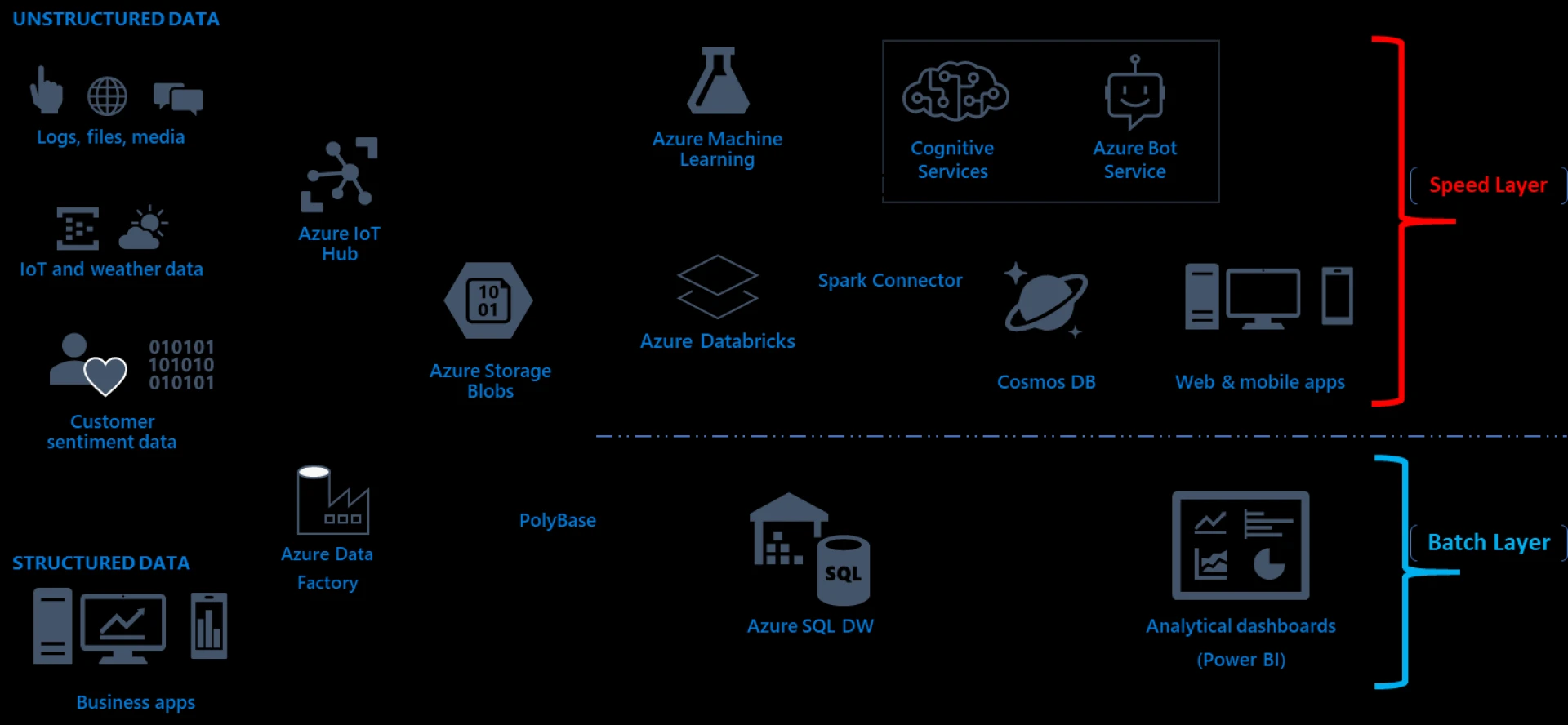
An enterprise data pipeline is essentially the “highway” for data. It’s a set of processes and technologies designed to transport raw data from various origins—such as applications, databases, sensors, and APIs—into structured repositories like data warehouses, lakes, or cloud platforms. Along the way, data is transformed, validated, and cleaned to ensure accuracy and usability.
Think of it like water treatment: just as water must be filtered before it’s safe to drink, raw data needs to be refined before it’s useful for analytics or decision-making. Enterprise-grade pipelines take this process a step further by ensuring scalability, security, and compliance—critical requirements for modern organizations.
Why Enterprises Struggle Without Proper Pipelines
Many companies underestimate the complexity of handling large-scale data. Without a proper pipeline in place, teams often face:
- Data Silos: Information trapped within departments that don’t communicate.
- Manual Workloads: Engineers wasting time on repetitive extraction and transformation tasks.
- Slow Insights: By the time data is processed manually, it’s already outdated.
- Inconsistency: Different versions of the same data leading to confusion and poor decisions.
The result? Delayed reporting, missed market opportunities, and a lack of confidence in analytics.
Key Benefits of Enterprise Data Pipelines
Adopting a well-structured enterprise pipeline delivers transformative benefits:
- Speed and Efficiency – Automating data flows reduces time from collection to insight.
- Accuracy – Standardized data ensures teams across the enterprise work with the same source of truth.
- Scalability – Pipelines can handle ever-growing data volumes without performance dips.
- Cost Savings – Reducing manual intervention and inefficiencies translates to lower operational costs.
- Future-Proofing – Well-built pipelines support AI, ML, and advanced analytics down the line.
How Cloud Technology Transforms Pipelines
With the rise of cloud computing, pipelines are no longer restricted to on-premises infrastructure. Cloud-native pipelines allow businesses to scale on demand, integrate with multiple SaaS platforms, and leverage serverless computing for cost efficiency.
Cloud data pipeline solutions also come with built-in monitoring, automated error handling, and robust security—making them the preferred choice for enterprises looking to modernize.
Best Practices for Building Enterprise Data Pipelines
- Design for Scalability: Assume your data volume will grow significantly in the next 3–5 years.
- Ensure Real-Time Capabilities: Batch processing isn’t always enough; many industries demand real-time insights.
- Maintain Flexibility: Use modular architectures that can integrate with new tools and platforms as they evolve.
- Prioritize Security: Encrypt data both in transit and at rest, and adhere to compliance frameworks like GDPR or HIPAA.
- Automate Monitoring: Self-healing pipelines that detect and resolve failures reduce downtime.
Industries That Benefit Most
- Finance: For fraud detection, risk assessment, and compliance reporting.
- Healthcare: To integrate patient data across multiple systems for accurate insights.
- E-commerce: To analyze customer behavior, optimize supply chains, and personalize experiences.
- Manufacturing: For IoT-driven insights and predictive maintenance.
These industries, in particular, cannot afford delayed or inconsistent data flows.
The Future of Enterprise Data Pipelines
As businesses grow increasingly data-driven, pipelines will evolve to become smarter and more autonomous. AI-powered orchestration, predictive scaling, and intelligent error handling will define the next generation of enterprise pipelines. Organizations that embrace these advancements early will be positioned to outpace competitors in agility and innovation.
Conclusion
Enterprise data pipelines aren’t just technical infrastructure—they are strategic enablers of growth. By ensuring data is accurate, timely, and readily accessible, pipelines unlock new opportunities for analytics, automation, and AI adoption. Investing in these solutions is no longer optional but essential for businesses aiming to remain competitive in the digital era.
FAQs
1. What makes enterprise data pipelines different from basic pipelines?
Enterprise pipelines emphasize scalability, governance, and integration across multiple complex systems, unlike smaller-scale solutions.
2. Do I need real-time pipelines for my business?
Not always. Some industries can rely on batch pipelines, but if your business depends on instant insights (like fraud detection or IoT), real-time is crucial.
3. Are cloud-based pipelines better than on-premises?
Generally yes, since cloud pipelines offer flexibility, cost efficiency, and easier scalability. But highly regulated industries may still prefer hybrid approaches.
4. How much time does it take to implement an enterprise pipeline?
Implementation timelines vary, but typically range from a few weeks to several months depending on data complexity and system integrations.
5. Can small businesses benefit from enterprise pipelines?
Absolutely. While designed for scale, even SMEs can adopt modular enterprise pipeline solutions that grow with them.























Sign in to leave a comment.