Garage floors face heavy use every day. Cars, tools, oil spills, heat, and dust all affect the surface. Because of this, many homeowners look for a flooring option that is strong, clean, and long-lasting. Epoxy flooring has become a popular choice for garage floors because it gives protection and improves appearance at the same time. But is it really a good option for every garage?
What Is Epoxy Flooring for Garage Floors?
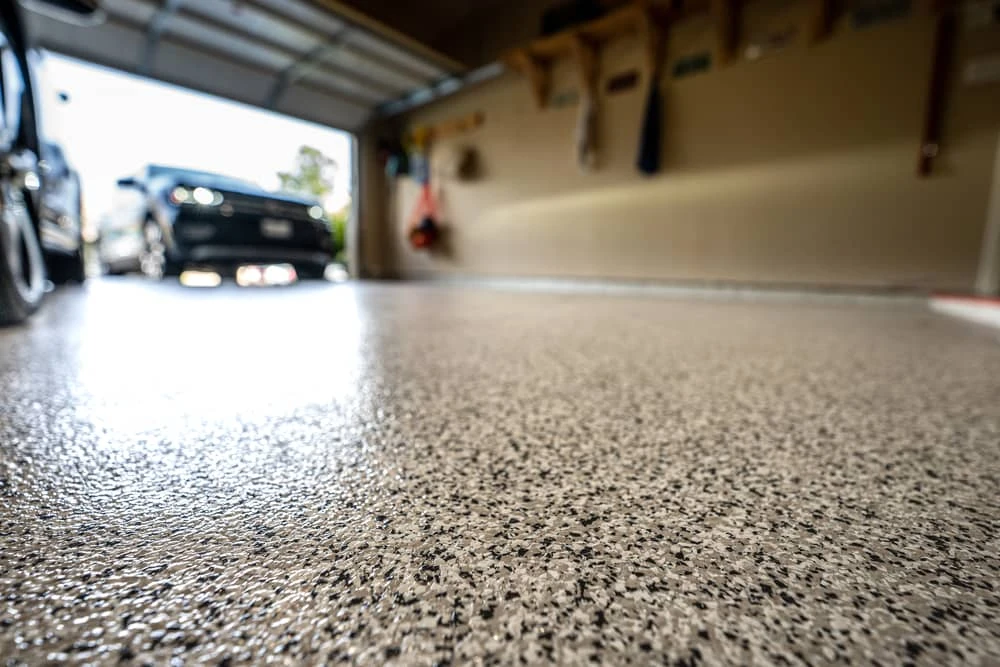
Epoxy flooring is a special coating made by mixing resin and hardener. When applied to a concrete garage floor, it creates a hard, smooth, and sealed surface. Once cured, it becomes very strong and resistant to damage. Many people choose epoxy garage floors in Palm Desert because garages in warm areas often face heat, dust, and daily wear.
Why Garage Floors Need Extra Protection
Garage floors are not like indoor floors. They deal with:
- Vehicle weight and tire marks
- Oil, fuel, and chemical spills
- Temperature changes
- Moisture and dust
Plain concrete can absorb oil and water, which leads to stains and cracks over time. Epoxy adds a protective layer that reduces these problems.
Benefits of Epoxy Flooring for Garage Floors
Epoxy flooring offers several clear advantages when used in garages.
1) Strong and Long-Lasting
Epoxy creates a hard surface that can handle heavy vehicles and tools. When installed correctly, epoxy garage floors can last many years without major damage.
2) Easy to Clean
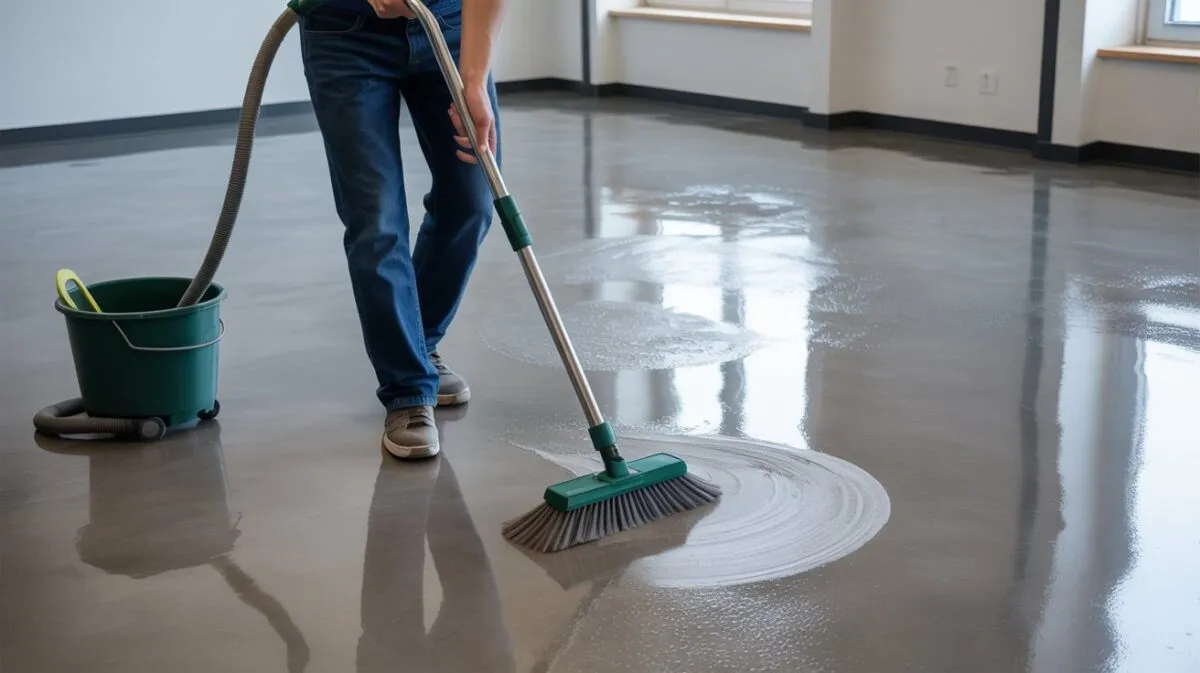
Dust, oil, and dirt stay on the surface instead of soaking in. A simple sweep or mop is usually enough to keep the floor clean.
3) Resistant to Stains and Chemicals
Oil leaks, fuel spills, and cleaning liquids do not easily damage epoxy flooring. This makes it ideal for garages used for parking or light mechanical work.
4) Improves Garage Appearance
Epoxy flooring gives a clean and finished look. It can make an old garage feel new and well-maintained.
Is Epoxy Flooring Slippery?
One common concern is slipperiness. A smooth epoxy surface can become slippery when wet. However, this problem can be reduced by adding anti-slip materials during installation. Many epoxy garage floors are designed with safety in mind, especially for homes with frequent use.
How Weather Affects Epoxy Garage Floors
Temperature plays an important role in epoxy performance. Very hot or cold conditions during installation can affect curing. In warm areas, professional installation helps ensure proper bonding. That is why epoxy garage floors are often installed by experts who understand local weather conditions.
Surface Preparation Is Very Important
Epoxy flooring works best when the concrete below is properly prepared. The surface must be:
- Clean and dry
- Free from cracks and oil stains
- Slightly rough for good bonding
Poor preparation can cause peeling or bubbles later. This is not a problem with epoxy itself, but with how it is installed.
Is Epoxy Flooring Always the Right Choice?
Epoxy flooring is a great option, but it may not suit every situation.
Epoxy may not be ideal if:
- The concrete has serious moisture problems
- The surface is badly damaged and not repaired
- Installation is rushed or done without proper tools
In these cases, repairs or other flooring options may be considered first.
Cost vs Value for Garage Epoxy Flooring
Epoxy flooring costs more than simple paint, but it provides better value over time. It reduces maintenance, protects the concrete, and improves property value. Many homeowners see epoxy garage floors in Palm Desert as a smart long-term investment.
Final Thoughts
Epoxy flooring is a strong and attractive choice for garage floors when installed correctly. It protects the concrete, improves cleanliness, and gives a modern look. While it needs proper preparation and skilled application, the results are worth it. For garages that face daily wear, oil spills, and heavy use, epoxy flooring can be a very good choice when done the right way.




























Sign in to leave a comment.