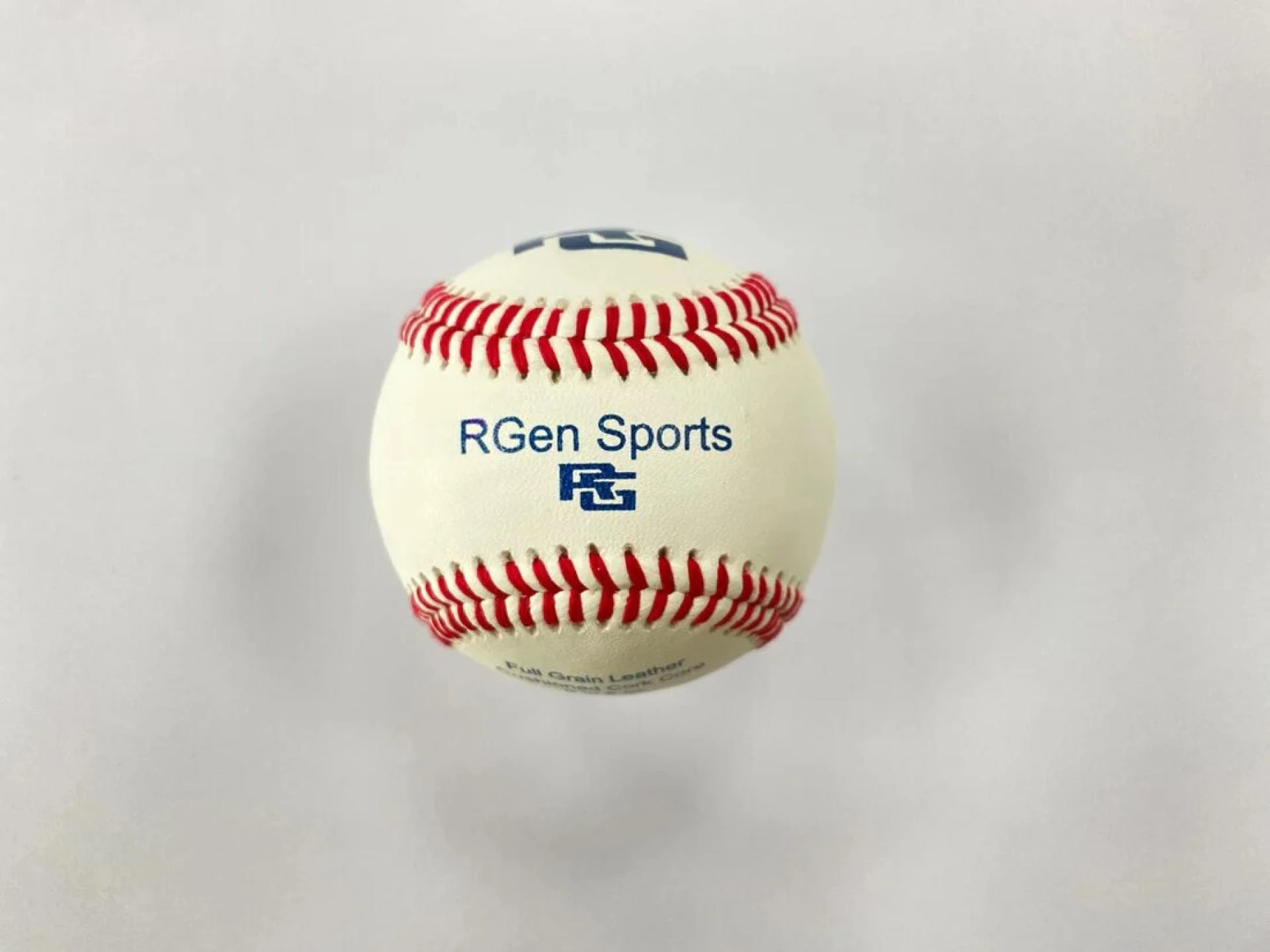

A well-equipped batting cage is crucial for improving your swing and overall performance. Whether you're a beginner or a pro, the right hardware ensures durability and efficiency. From sturdy frames to reliable netting, every component plays a role. Let’s explore the essential batting cage hardware every baseball player needs.
1. Batting Cage Frame
The frame is the foundation of any batting cage, providing structure and stability. It is typically made of galvanized steel or aluminum to withstand harsh weather. A strong frame prevents sagging and ensures a smooth training experience. Choose a high-quality material that suits your space and budget.
2. Batting Cage Netting
Netting is essential for safety and durability in any batting cage setup. Heavy-duty nylon or polyethylene nets offer the best performance. The netting should be UV-treated to resist sun damage and last longer. Always check the net’s thickness and mesh size for optimal protection.
3. Support Poles
Support poles keep the netting in place and ensure the cage remains sturdy. High-strength steel poles provide better support and longevity. Poles should be spaced evenly to avoid drooping or movement. Adjustable poles offer flexibility for different training environments.
4. Ground Anchors
Ground anchors help secure the batting cage, preventing movement during use. They are especially important for outdoor setups prone to wind. Spiral ground stakes or weighted bases work best for stability. Proper anchoring extends the lifespan of your batting cage.
5. Connector Hardware
Connectors join different parts of the batting cage, ensuring a secure fit. These include elbow fittings, clamps, and corner pieces. Rust-resistant connectors made from stainless steel or powder-coated materials last longer. Proper connectors make assembly and disassembly easier.
6. Batting Cage Door
A batting cage hardware door allows easy access while keeping the cage enclosed. It should be durable and fit tightly to prevent balls from escaping. Zippered or Velcro closure doors are common for easy use. Ensure the door is wide enough for smooth entry and exit.
7. Backdrop and Target Mats
Backdrop nets protect the main netting and reduce wear from repeated hits. Target mats help players aim their swings for better precision. These mats are made of thick vinyl or rubber to withstand strong impacts. Investing in these accessories extends the life of your cage.
8. Pitching Machine Compatibility
If using a pitching machine, ensure your batting cage can accommodate it. Machines should fit within the cage without damaging the netting. Some cages have built-in machine slots for safety and efficiency. Always check height and width specifications before setup.
9. Protective Screens
L-screens and protective screens shield pitchers and coaches during practice. They are crucial for safety when facing high-speed pitches. Look for screens with thick padding and durable netting. Portable screens make practice sessions more flexible.
10. Batting Cage Flooring
Proper flooring enhances player comfort and protects the ground underneath. Artificial turf or rubber mats are ideal for reducing impact. Flooring also helps with traction, preventing slips and falls. Choose a material that suits both indoor and outdoor setups.
11. Lighting for Night Training
Good lighting ensures players can practice safely at any time of day. LED floodlights provide bright and energy-efficient illumination. Adjustable pole-mounted lights work best for even coverage. Make sure the lights do not create glare for players.
12. Weather Protection Covers
Cage covers protect the equipment from harsh weather conditions. Waterproof tarps or UV-resistant covers extend the lifespan of the netting and frame. Covers should be easy to install and remove when needed. They are especially useful for outdoor setups.
13. Portable vs. Permanent Setups
Choosing between a portable and permanent cage depends on your needs. Portable cages offer flexibility and easy storage, ideal for temporary setups. Permanent cages provide more stability and durability over time. Consider your space and usage before deciding.
14. Customization Options
Some players prefer custom batting cage setups for specific training needs. Custom sizes, reinforced netting, and adjustable frames allow for a personalized experience. Many companies offer tailored solutions based on player preferences. Investing in custom options ensures a perfect fit.
15. Safety Considerations
Safety should always be a priority when setting up a batting cage. Ensure all hardware is properly installed and regularly maintained. Protective padding around poles can prevent injuries. Always follow manufacturer guidelines for best results.
16. Cost vs. Quality
Balancing cost and quality is key when selecting batting cage hardware. Cheap materials may save money upfront but wear out quickly. Investing in high-quality components ensures long-term durability. Consider long-term value rather than just the initial price.
17. Maintenance Tips
Regular maintenance keeps your batting cage in top condition. Check for wear and tear on netting and poles frequently. Clean netting and remove dirt buildup to maintain visibility. Proper care extends the lifespan of your batting cage.
18. Conclusion
A well-equipped batting cage enhances training sessions and player performance. From sturdy frames to protective screens, each component matters. Investing in high-quality hardware ensures safety and longevity. Choose the right setup to take your baseball skills to the next level.





























Sign in to leave a comment.