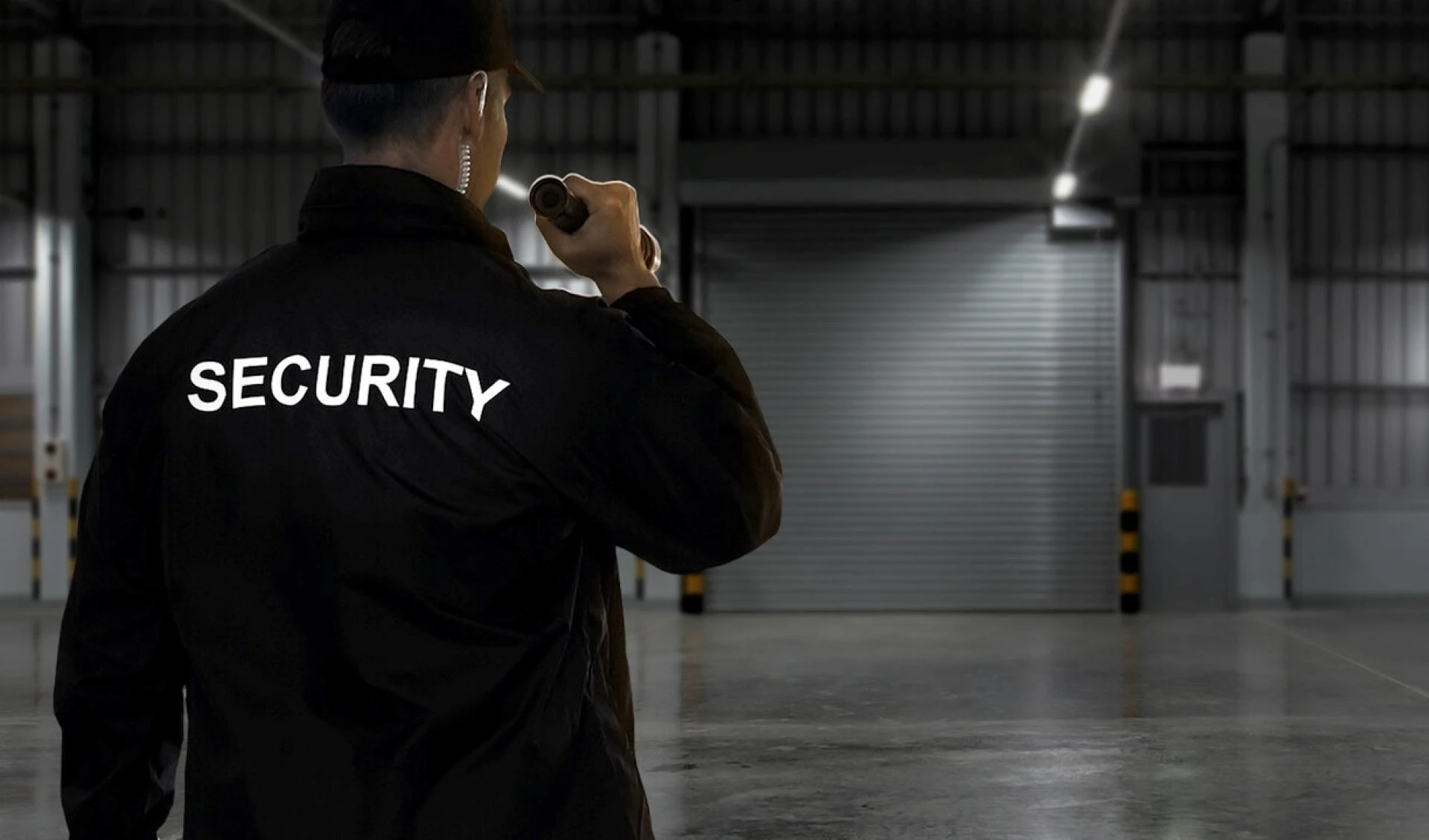

Security personnel are everywhere, even when you are not actively thinking about them. You see them at office entrances, shopping malls, hospitals, schools, apartment buildings, and events. Most days, nothing happens. That is exactly the point. Good security work feels quiet and steady, not dramatic. When it works, problems never get the chance to grow.
This guide breaks down what security personnel really do, how their role has changed, and why their presence matters more than most people realize.
What Security Personnel Actually Handle Day to Day
Security work is not about standing still or looking tough. It is about paying attention. A trained guard spends most of the shift watching patterns, not reacting to chaos.
On a typical day, security personnel might:
- Watch who comes in and who leaves
- Check visitor passes or employee IDs
- Walk through assigned areas and look for anything out of place
- Monitor cameras and alarms
- Step in when rules get ignored or tempers rise
- Write clear reports when something unusual happens
Most of the job focuses on prevention. A calm conversation at the right moment can stop a problem before it turns into a real incident.
The Different Roles Security Personnel Play
Not all security jobs look the same. The setting shapes the role.
Unarmed Security Guards
These guards handle most everyday locations. Offices, retail stores, schools, residential buildings, and clinics rely on unarmed security. The work centers on visibility, awareness, and communication. Physical force almost never enters the picture.
Armed Security Guards
Armed guards work where risks run higher. Banks, cash transport, and sensitive facilities often require this level of protection. These roles demand extra training, strict rules, and strong judgment. The weapon is a last resort, not the focus of the job.
Mobile Patrol Security
Some properties are too large or spread out for one fixed guard. Mobile patrol officers move between locations, check doors, respond to alarms, and keep an eye on multiple sites during a shift. This setup works well for business parks and industrial areas.
Event Security
Crowded events bring their own challenges. Event security personnel manage entrances, guide crowds, handle disputes, and react fast when something goes wrong. Clear communication matters more than authority here.
The Skills That Separate Average Guards from Good Ones
A uniform alone means nothing. The best security personnel share a few core traits.
Sharp Awareness
Good guards notice details most people miss. A door that should be locked. Someone lingering too long. A sudden change in crowd mood. Awareness drives everything else.
Strong Communication
Security personnel talk to people all day. Employees, visitors, customers, and sometimes upset individuals. Clear, respectful communication keeps situations from escalating.
Calm Under Pressure
Emergencies do not announce themselves. When alarms go off or tensions rise, guards need to stay level headed and make quick calls without panic.
Mental and Physical Endurance
Long shifts, night hours, and constant alertness wear people down. The job demands focus even when nothing happens for hours.
Why Security Personnel Matter to Everyday Consumers
From a consumer point of view, security offers reassurance. It changes how people feel in a space.
Think about how it affects behavior:
- Shoppers relax more when security is visible
- Patients and visitors feel safer in hospitals with trained guards
- Residents trust apartment buildings with consistent security staff
Security personnel also act as guides during emergencies. Clear instructions during a fire alarm or medical situation can prevent confusion and injuries. When people know who to listen to, chaos stays under control.
Training Shapes Professional Security Work
Good security does not rely on guesswork. Training sets the standard.
Most professional security personnel receive instruction in areas like:
- Legal boundaries and authority
- Conflict management and calming tense situations
- Emergency response steps
- Basic first aid
- Clear report writing
Licensing and regular refresher courses help keep skills sharp. From a consumer perspective, visible ID badges and professional behavior signal that training is in place.
How Technology Fits Into Modern Security
Cameras and access systems support security work, but they do not replace people. Technology records and alerts. Security personnel interpret and respond.
Modern guards often work with:
- CCTV monitoring
- Access control systems
- Alarm panels
- Two way radios or mobile devices
The real value comes from combining technology with judgment. A camera might show a problem. A trained guard decides what to do next.
How to Recognize Professional Security Personnel
Even as a visitor or resident, you can usually tell when security is handled well.
Signs of professionalism include:
- Clean uniform and visible identification
- Alert posture and active observation
- Polite but confident communication
- Knowledge of the property and procedures
- Willingness to help without being intrusive
Good security feels present, not overbearing.
Clearing Up Common Misunderstandings
“Security only reacts when something goes wrong”
Most security work happens before trouble starts. Visibility alone discourages bad behavior.
“Anyone can do this job”
Effective security takes training, patience, and judgment. It is not about muscle or authority.
“Cameras make guards unnecessary”
Cameras watch. People act. Without trained personnel, footage only tells you what already happened.
The Human Side of Security Personnel
Security guards often work nights, weekends, and holidays. They deal with stress, conflict, and responsibility while staying calm in public. A little respect from the people around them goes a long way.
Simple cooperation during checks or a polite acknowledgment helps create a better environment for everyone.
Where Security Personnel Are Headed Next
As cities grow and public spaces get busier, expectations around security continue to rise. Businesses now want guards who understand people just as well as systems.
The direction is clear:
- Better training and specialization
- Smarter use of technology
- More focus on customer interaction
- Clear standards for accountability
Security personnel are no longer just watchers. They are part of how spaces function smoothly.
Common Questions People Ask About Security Personnel
What do security personnel mainly focus on?
Keeping people and property safe through awareness, prevention, and quick response.
Do security guards use force often?
Rarely. Most situations resolve through communication and presence.
How can someone tell if security staff are properly trained?
Look for clear identification, confident behavior, and knowledge of procedures.
Do security guards act as first responders?
Often, yes. They manage situations until police, fire, or medical teams arrive.
Final Thoughts
Security personnel shape how safe a place feels, even on the quietest days. Their work centers on awareness, responsibility, and trust. When done right, it blends into the background while quietly keeping order.
Understanding their role helps consumers see security not as a formality, but as a steady presence that allows daily life to run without interruption.


















Sign in to leave a comment.