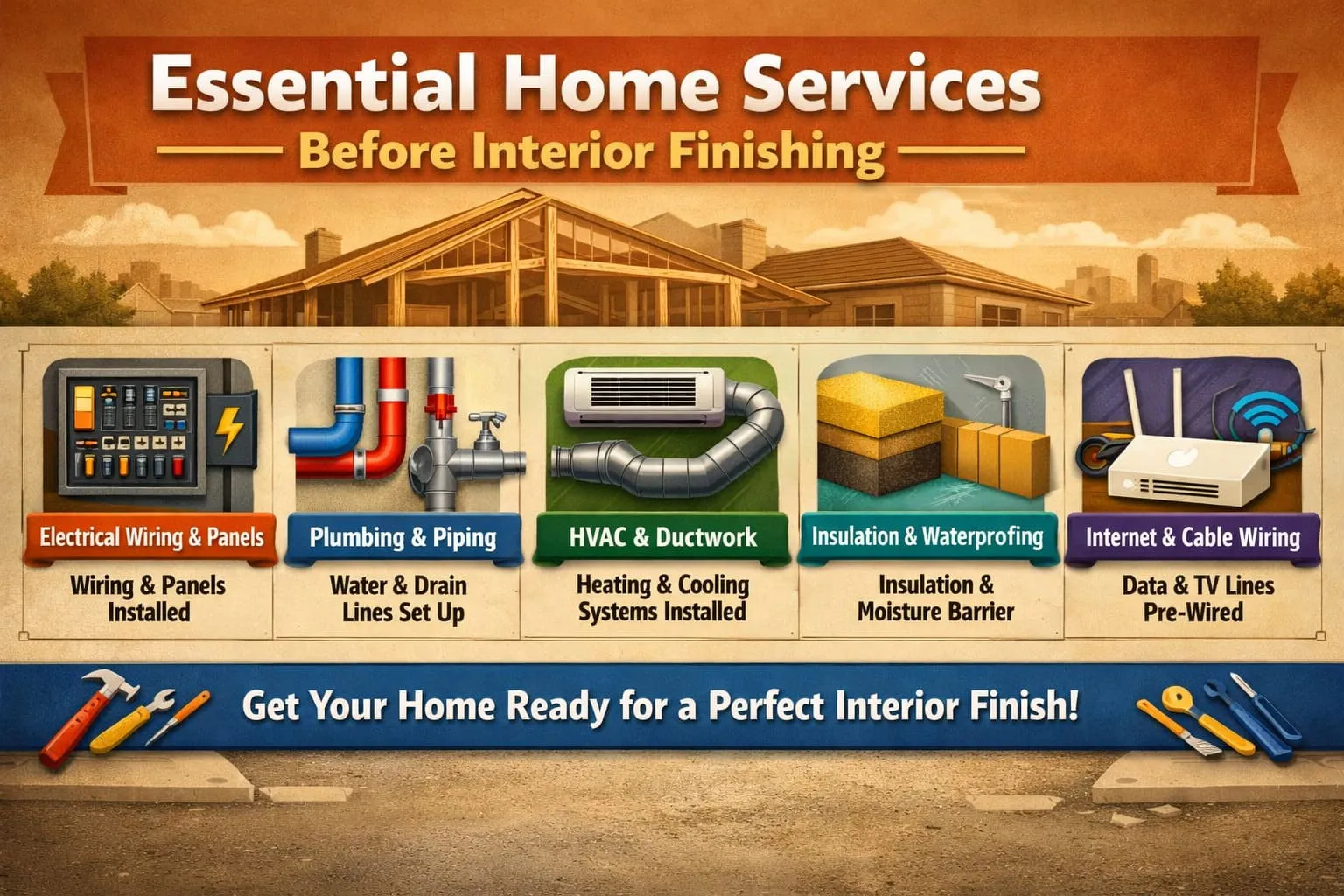

Want interiors that stay beautiful, functional, and problem-free for years?
Every homeowner dreams of stunning interiors. Fresh paint, stylish furniture, elegant lighting, and perfectly designed spaces. But here's the reality…
Interior finishing is only as good as the work hidden behind the walls, ceilings, and floors. Without proper planning of essential services, even the most beautiful home can develop leaks, electrical issues, poor ventilation, and expensive maintenance problems.
This is why many homeowners consult experienced interior designers on KreateCube during the planning stage to ensure that all technical services are addressed before the final finishes are installed.
The good news?
Preparing the right services before interior finishing begins is easier than you think. With a few smart decisions, you can:
a. Prevent costly repairs in the future
b. Improve the comfort and functionality of your home
c. Ensure your interiors last longer and perform better
Let's jump in!
What You'll Discover:
- Why service planning matters before interior finishing
- The essential systems every home needs
- Common mistakes homeowners should avoid
- How proper preparation saves time and money
1. Plumbing Infrastructure Should Be Planned First
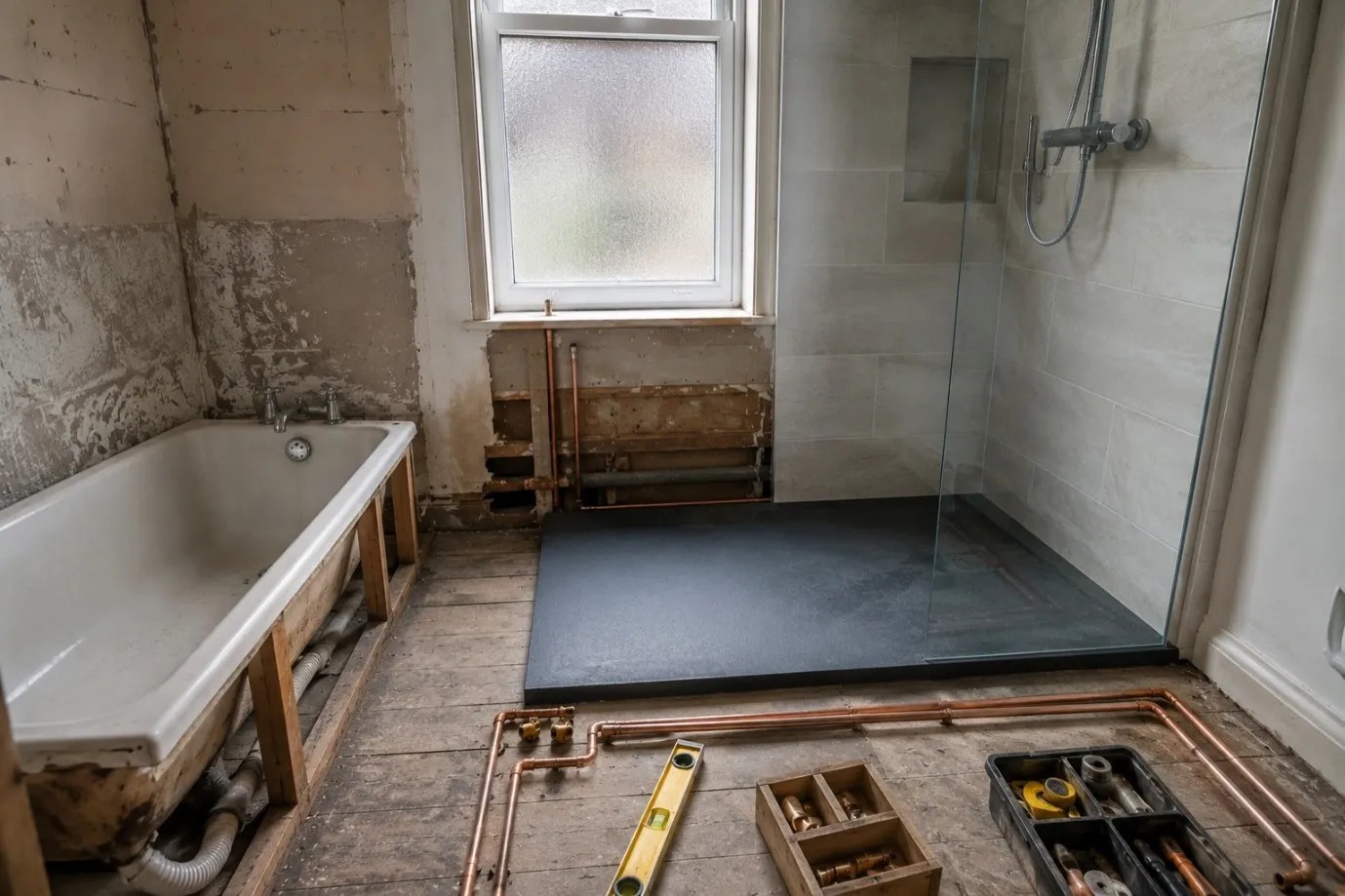
Before any wall finishes, flooring, or cabinetry installation begins, plumbing work should be completed and thoroughly tested.
This is one of the most important yet overlooked aspects of a renovation or new construction project. Water supply lines, drainage pipes, bathroom fixtures, kitchen plumbing points, and utility connections all need careful planning.
Many homeowners focus on tiles and fixtures first, only to discover later that pipe locations need adjustment. This often leads to breaking finished walls and floors, increasing both costs and project delays.
Why Plumbing Should Be the First Trade Booked in Any Renovation Project
Plumbing forms the foundation of every wet area in a home. Bathrooms, kitchens, utility spaces, and outdoor water systems all depend on properly installed pipe networks.
Booking plumbing professionals first allows:
- Accurate layout planning
- Better coordination with electrical work
- Proper waterproofing preparation
- Reduced chances of rework
- Faster project completion
Getting plumbing right from the beginning prevents countless headaches later.
2. Electrical Wiring and Power Distribution
Electrical systems should be completed before interior finishing starts.
This includes:
- Main wiring
- Switchboards
- Power outlets
- Dedicated appliance circuits
- Internet and communication cables
Modern homes require significantly more electrical points than older homes. Smart TVs, workstations, kitchen appliances, charging stations, and smart home devices all need proper planning.
A well-designed electrical system improves convenience while reducing the risk of overloads and future modifications.
3. Waterproofing in Critical Areas
Water damage is one of the most expensive problems homeowners face.
Before installing tiles, paint, wallpaper, or wooden finishes, waterproofing should be completed in:
- Bathrooms
- Balconies
- Terraces
- Utility areas
- Kitchen wet zones
Skipping this step may save money initially, but it often results in leaks, mold growth, damaged finishes, and structural deterioration.
Professional waterproofing creates a protective barrier that keeps moisture from causing long-term damage.
4. HVAC and Ventilation Systems
Comfort goes beyond attractive interiors.
Heating, ventilation, and air-conditioning systems should be planned before ceiling work and wall finishing begin.
Proper ventilation helps:
- Improve indoor air quality
- Control humidity
- Reduce odors
- Prevent mold growth
- Increase energy efficiency
Homes with poor ventilation often experience discomfort despite having expensive interior finishes.
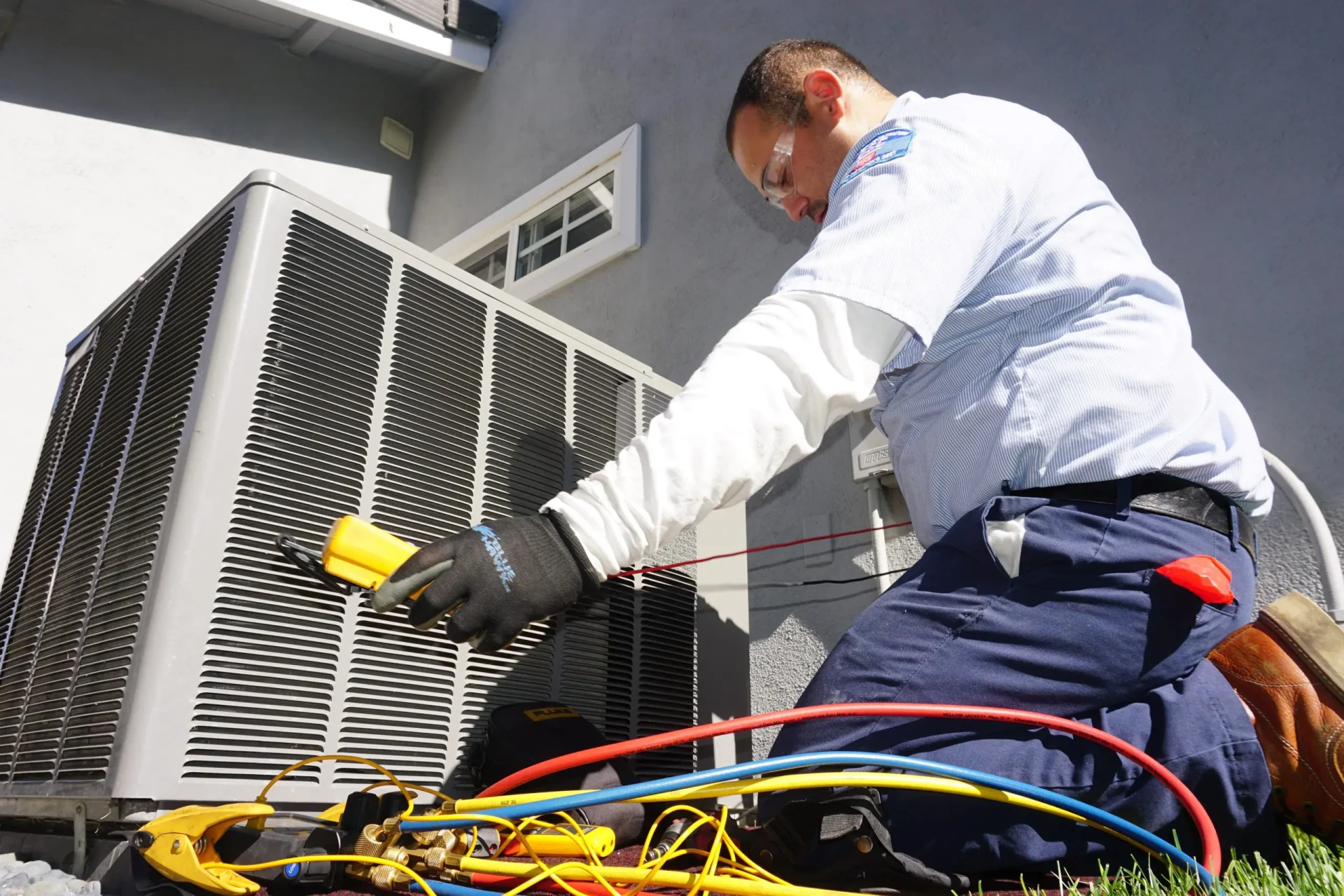
In addition to proper installation, homeowners should also pay attention to HVAC system maintenance. Regular inspections, filter replacements, and servicing help maintain system efficiency, improve air quality, and extend the lifespan of heating and cooling equipment.
5. Drainage and Wastewater Management
Many homeowners focus only on water supply systems while overlooking drainage.
Proper drainage planning ensures:
- Efficient wastewater flow
- Reduced blockage risks
- Odor prevention
- Easier maintenance
Poor drainage can affect bathrooms, kitchens, balconies, and outdoor areas. Correct pipe slopes and drainage routes must be established before finishing work begins.
6. Gas Line Installation
For homes using piped gas or LPG systems, gas lines should be installed before kitchen cabinetry and wall finishes.
Late installation often requires cutting through completed surfaces, creating unnecessary damage and expenses.
Professional gas line planning improves:
- Kitchen functionality
- Appliance placement
- Safety compliance
- Future maintenance access
A properly designed gas system keeps the kitchen efficient and safe.
7. Data, Internet, and Smart Home Wiring
Today's homes rely heavily on connectivity.
Before walls are closed and ceilings are finished, homeowners should consider:
- Internet cabling
- Wi-Fi optimization
- CCTV wiring
- Smart lighting controls
- Security systems
- Home automation infrastructure
Installing these systems later can be difficult and expensive.
Planning ensures a cleaner appearance and better technology integration.
8. Structural Repairs and Reinforcement
Interior finishes should never hide structural problems.
Before decorating begins, inspect the property for:
- Wall cracks
- Ceiling damage
- Foundation issues
- Water-related deterioration
- Weak structural elements
Addressing these concerns early protects both the building and your investment.
Beautiful finishes cannot compensate for unresolved structural defects.
9. Fire Safety and Security Systems
Safety should be integrated into the home from the beginning.
Depending on the property type, homeowners may need:
- Smoke detectors
- Fire alarms
- Emergency lighting
- Security sensors
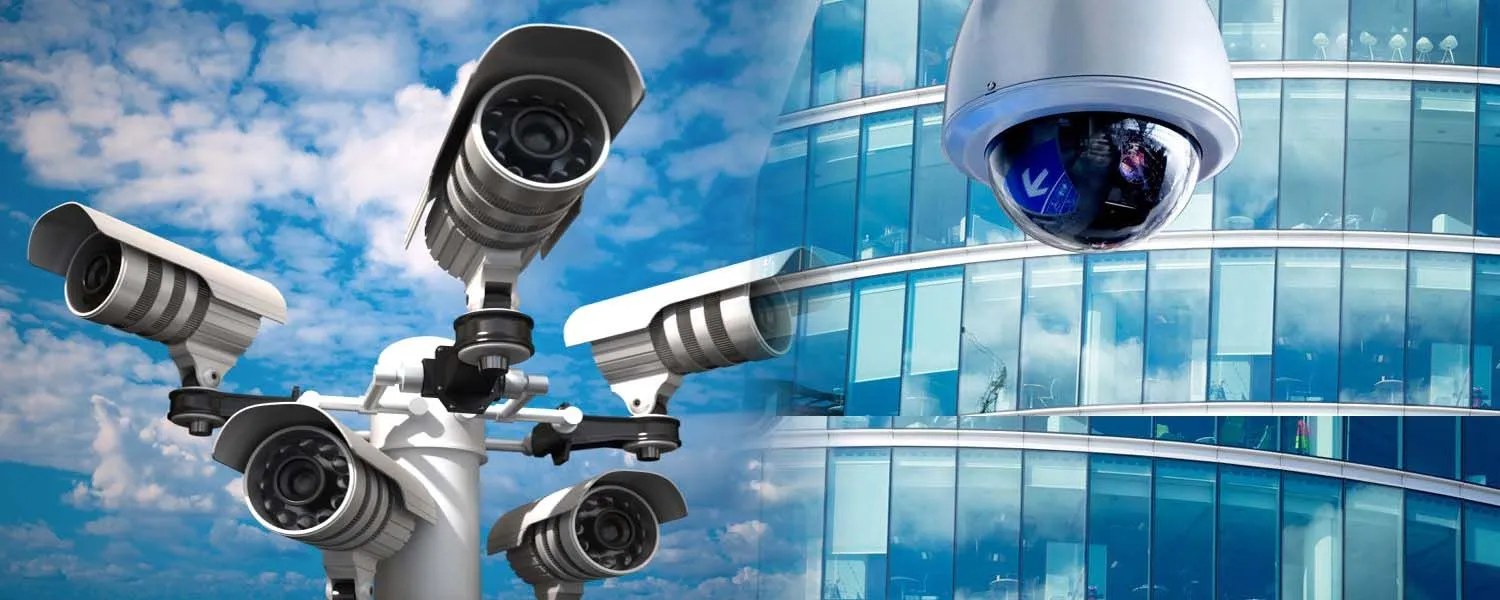
- CCTV systems
Installing these services before finishing allows cables and devices to be concealed neatly without compromising aesthetics.
This is also the ideal time to implement essential home security tips, such as placing cameras at key entry points, installing motion sensors, using smart door locks, and ensuring adequate outdoor lighting. These measures significantly improve safety while maintaining a clean interior design.
A safe home is always a smarter home.
10. Pest Prevention and Moisture Control Measures
Even premium interiors can suffer if preventive measures are ignored.
Before finishing work begins, consider:
- Anti-termite treatment
- Moisture barriers
- Sealing wall penetrations
- Protecting wooden elements
These preventive services help maintain the appearance and durability of your interiors for many years.
The cost of prevention is often far lower than the cost of repairing damage later.
Final Thoughts
Interior finishing is the stage everyone gets excited about. It's where the home finally starts to look complete. However, the most successful interiors are built on a foundation of properly planned services.
From plumbing and electrical systems to waterproofing, ventilation, drainage, and safety measures, every service plays a crucial role in the long-term performance of your home.
Before choosing paint colors, furniture, or decorative finishes, make sure these essential services are properly installed and tested. Doing so will save money, reduce future maintenance, and help create a home that looks beautiful and functions perfectly every day. Working with qualified professionals and experienced interior designers can further ensure that no critical service is overlooked during the planning and construction process.




















Sign in to leave a comment.