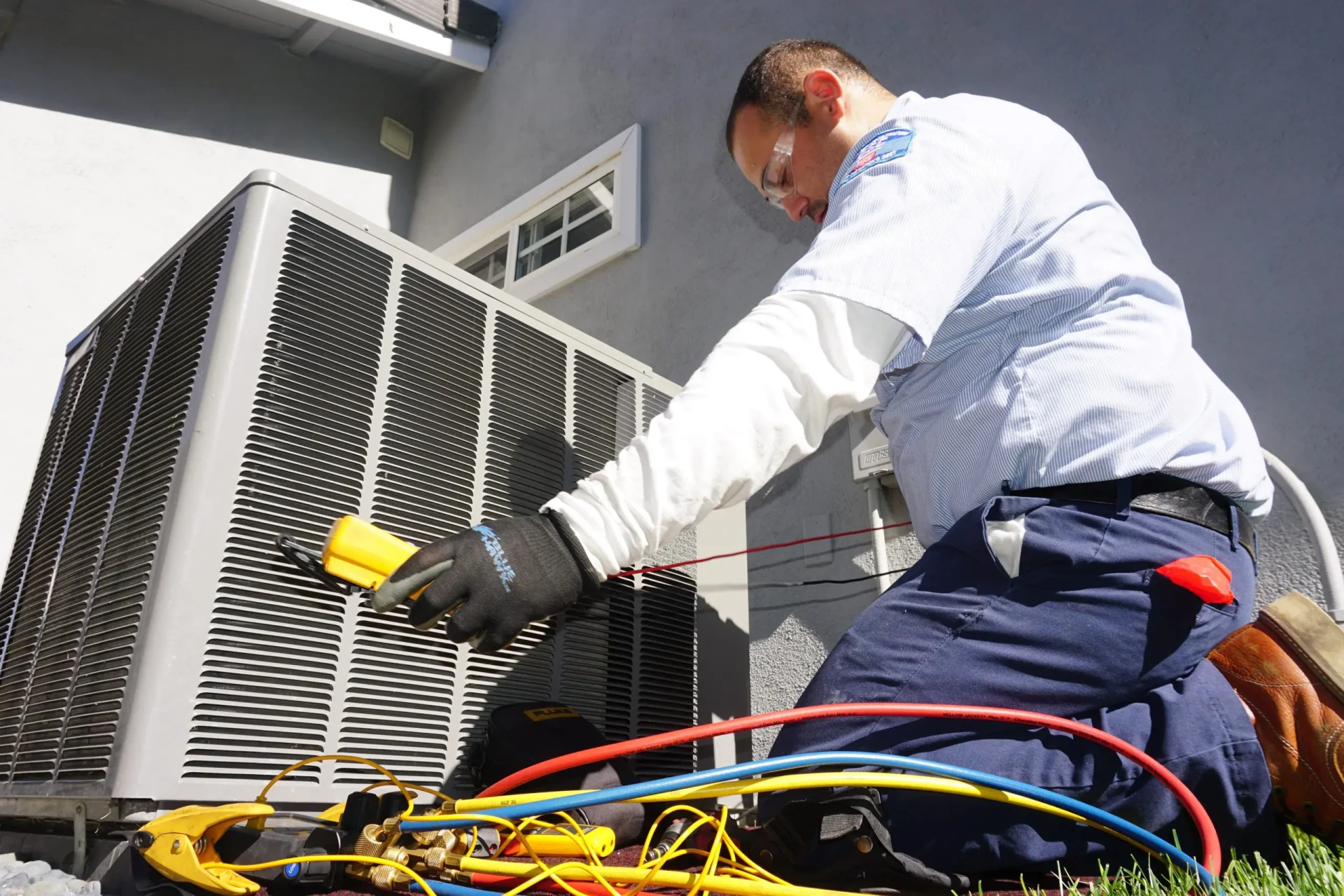

Air conditioners play an essential role in keeping homes comfortable, especially during hot weather. However, many homeowners notice that their AC system gradually becomes less efficient. Rooms may take longer to cool, electricity bills may increase, and the system may run continuously without delivering the same comfort.
In most cases, the decline in performance happens slowly due to hidden issues that begin at the outdoor unit and move toward the indoor components of the cooling system. With proper HVAC system maintenance, many of these problems can be prevented. Some issues can even be fixed by homeowners themselves, while others require help from Experienced HVAC Contractors.
Below are 10 common reasons your air conditioner may be losing efficiency over time, along with simple solutions for some of them.

1. Dirt and Debris Around the Outdoor Unit
The outdoor condenser unit is responsible for releasing heat collected from inside your home. When leaves, dust, grass clippings, or debris accumulate around the unit, airflow becomes restricted.
This prevents the condenser from releasing heat effectively, forcing the system to work harder and consume more energy.
What you can fix yourself:
Keep the area around the condenser clear and maintain at least 2–3 feet of open space around the unit.

2. Dirty Condenser Coils
Condenser coils help release heat from the refrigerant to the outside air. Over time, these coils collect dust, dirt, and environmental pollutants.
When the coils become dirty, heat transfer becomes inefficient, causing the system to run longer cooling cycles.
What you can fix yourself:
Use a gentle water spray to rinse surface dirt from the coils periodically.

3. Clogged Air Filters
Air filters are designed to trap dust, allergens, and airborne particles. However, when filters become clogged, airflow inside the system decreases.
Restricted airflow reduces cooling efficiency and may also improve poor indoor air quality in the wrong direction, allowing dust and pollutants to circulate in the home.
What you can fix yourself:
Replace or clean air filters every 30–60 days to maintain good airflow and help improve poor indoor air quality.

4. Evaporator Coil Fouling – A Subtle Problem That Drains HVAC Efficiency
The evaporator coil inside the indoor unit absorbs heat from the indoor air. Over time, dust, moisture, and airborne contaminants can accumulate on the coil surface. This buildup is known as evaporator coil fouling.
When evaporator coil fouling occurs, the coil cannot absorb heat efficiently. The system must run longer to cool the space, which increases energy consumption and reduces overall HVAC performance. In severe cases, the coil may even freeze.
Regular HVAC system maintenance by Experienced HVAC Contractors helps prevent evaporator coil fouling and keeps the cooling process efficient.

5. Blocked Indoor Air Vents
Sometimes cooling problems are caused by simple airflow restrictions inside the home. Furniture, curtains, rugs, or décor items may block air vents.
When vents are obstructed, cooled air cannot circulate properly, resulting in uneven temperatures and reduced system efficiency.
What you can fix yourself:
Make sure all vents remain open and unobstructed.

6. Thermostat Settings or Placement Issues
Thermostats control when the air conditioner turns on or off. If the thermostat is placed near direct sunlight, appliances, or heat sources, it may misread the room temperature.
This can cause the system to run longer than necessary.
What you can fix yourself:
Check thermostat settings and consider upgrading to a programmable or smart thermostat for better efficiency.

7. Leaky or Poorly Insulated Ductwork
Ducts transport cooled air throughout the home. If ducts develop cracks or leaks, cooled air may escape before reaching the rooms.
This leads to wasted energy and reduced cooling performance.
What you can do:
Small visible leaks can sometimes be sealed, but larger duct issues should be handled by Experienced HVAC Contractors.

8. Low Refrigerant Levels
Refrigerant is the substance responsible for absorbing and releasing heat in the cooling cycle. If refrigerant levels drop due to leaks, the air conditioner cannot cool effectively.
This often causes longer cooling cycles and reduced performance.
Professional help required:
Only trained HVAC professionals should inspect and recharge refrigerant levels.

9. Aging HVAC Components
As an air conditioner ages, components such as fans, motors, and compressors gradually lose efficiency. Even if the system continues to function, it may consume more energy to provide the same cooling output.
Regular inspections and proper HVAC system maintenance can help extend the life of these components.
10. Lack of Routine HVAC Maintenance
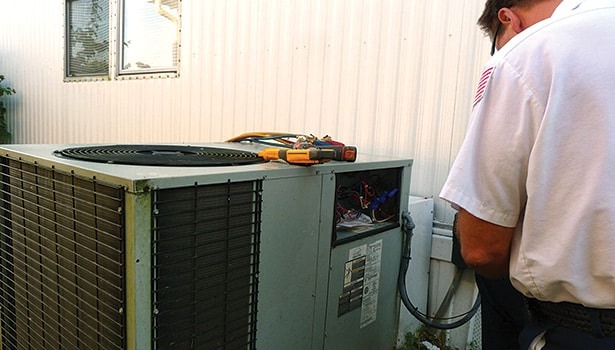
One of the most common reasons for declining AC efficiency is skipping routine maintenance. Dust buildup, airflow restrictions, and minor mechanical problems can accumulate over time.
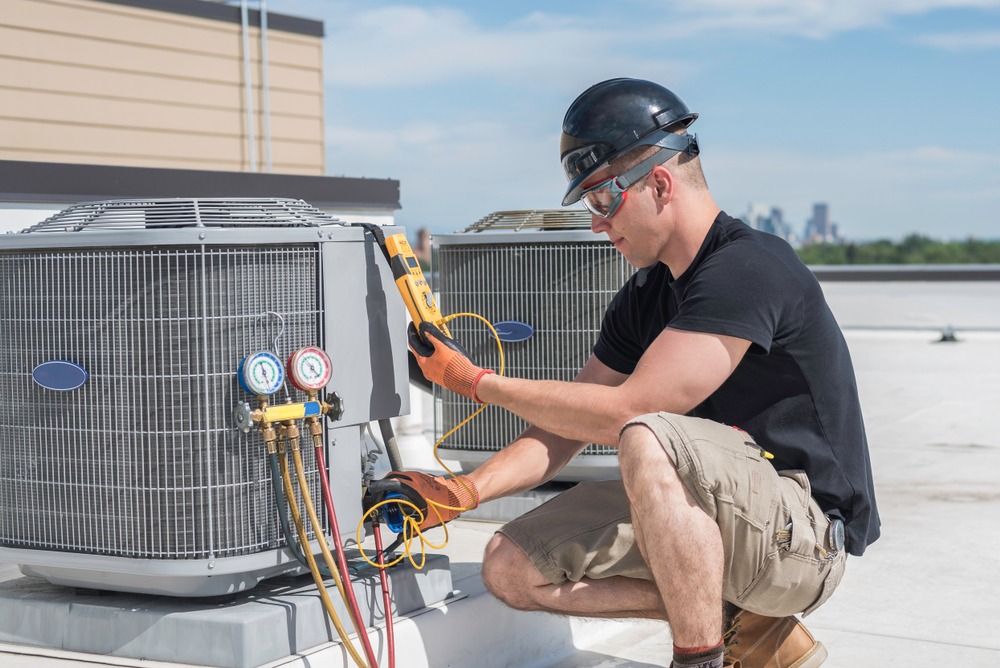
Professional inspections from Experienced HVAC Contractors ensure that components like coils, fans, ducts, and refrigerant levels are functioning properly. Regular servicing also helps improve poor indoor air quality and maintain overall system performance.
Conclusion
Air conditioners rarely lose efficiency suddenly. Instead, performance declines gradually due to issues that begin in the outdoor unit and eventually affect indoor components such as air filters, evaporator coils, and duct systems.
The good news is that some problems, like cleaning filters, clearing debris around the condenser, and ensuring proper airflow, can be easily handled by homeowners. However, more complex issues such as refrigerant leaks, duct problems, and evaporator coil fouling should be addressed by Experienced HVAC Contractors through proper HVAC system maintenance.
With consistent care and regular inspections, you can improve poor indoor air quality, maintain efficient cooling, and extend the lifespan of your air conditioning system.























Sign in to leave a comment.