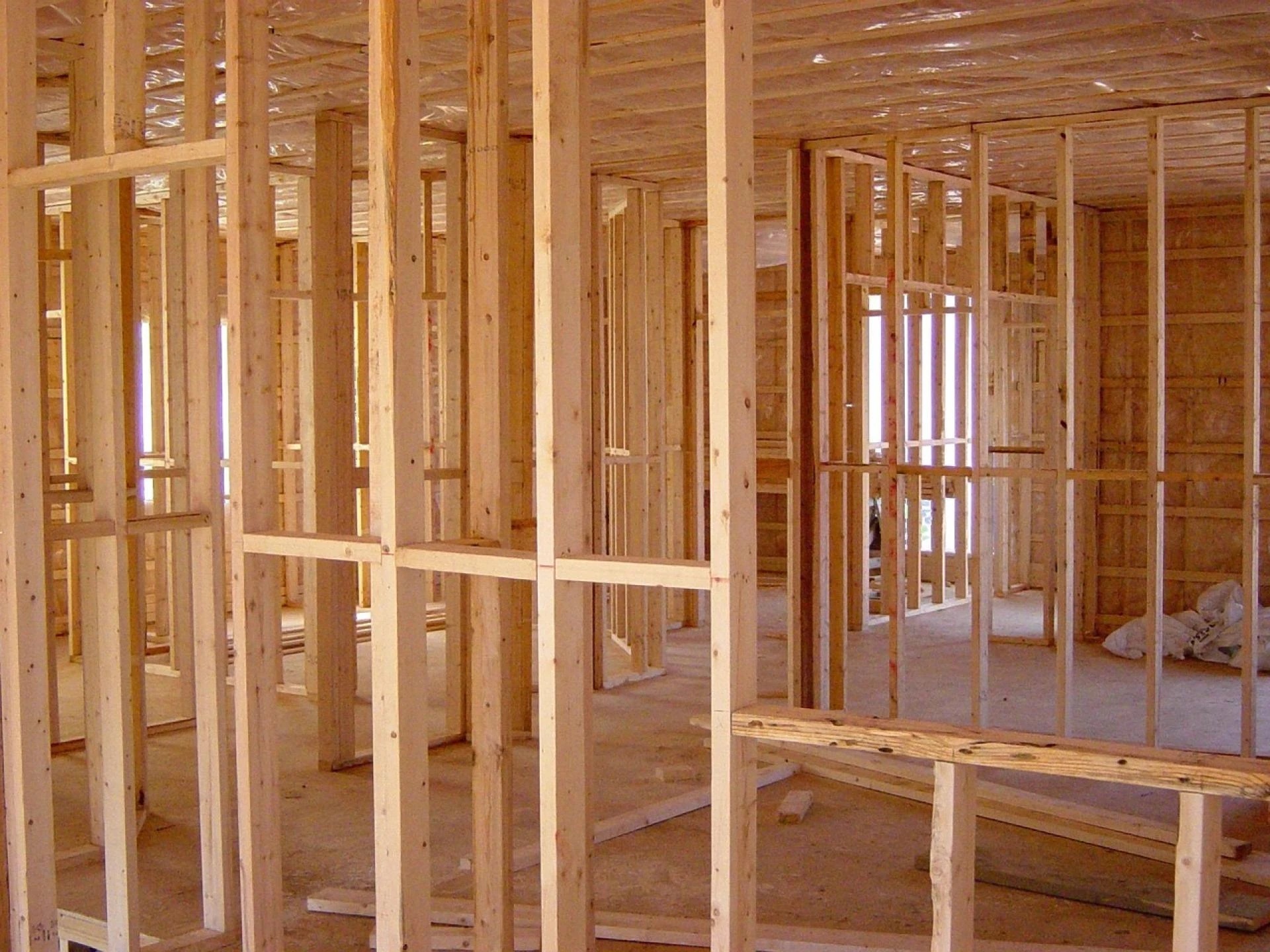

Starting your first building project can feel overwhelming, especially when you’re unsure which tools and materials are truly essential. Whether you’re constructing a shed, renovating a room, or taking on a small structural upgrade, understanding the basics can make the entire process smoother and more enjoyable. One of the most critical components for beginners is choosing reliable structural materials—particularly timber framing, which forms the backbone of countless DIY and professional building projects.
Building anything meaningful requires more than enthusiasm—it requires preparation. For first-time builders, investing in the right tools and learning how to use them safely is the key to working confidently and efficiently. Below are the most important tools and materials every beginner should have before starting a construction project.
1. Measuring & Marking Tools
Every successful build begins with precise measurements. Even a small error in marking timber or measuring a wall can create alignment problems later. Essential measuring tools include:
- Tape measure
- Carpenter’s square
- Marking pencil
- Spirit level
- Chalk line
These tools ensure straight cuts, level surfaces, and accurate layouts for frames, linings, and fixtures. Mastering measurement is one of the most valuable skills a new builder can learn.
2. Cutting Tools to Shape Your Materials
Cutting timber, sheet materials, and metal is a core part of almost every building task. Beginners should start with basic, user-friendly tools such as:
- Hand saw or circular saw
- Jigsaw for curved cuts
- Utility knife for precise trimming
- Reciprocating saw for demolition or rough cutting
Circular saws are ideal for framing timber, while jigsaws are perfect for notches, curves, and detail work. Always follow safety instructions and use appropriate protective gear.
3. Fastening Tools for Assembly
Fastening tools hold your project together—literally. The ability to join materials securely affects the strength and safety of your build. Essential fastening tools include:
- Drill/driver
- Impact driver
- Hammer
- Nail gun (optional for speed)
- Assorted screws, nails, and fixings
A drill and impact driver combo is one of the best investments you can make as a beginner. These tools allow you to assemble frames, attach cladding, install fixtures, and more.
4. Safety Gear & Protective Equipment
Safety is a non-negotiable part of building. Even small projects involve risks from sharp edges, loud tools, dust, and falling debris. Every first-time builder should have:
- Safety glasses
- Dust mask or respirator
- Ear protection
- Work gloves
- Sturdy footwear
Being properly protected gives you confidence and reduces the chance of injury, helping you work longer and more effectively.
5. Essential Building Materials
Beyond tools, choosing the right materials ensures your structure is strong, stable, and durable. For most beginners, the main materials to understand include:
Timber
Timber is the most beginner-friendly building material because it’s easy to cut, lightweight, and highly versatile. Structural timber is used for framing walls, roofs, and floors. Understanding grades, treatments, and sizing will help you pick the right timber for your project.
Sheet Materials
Plywood, OSB, and fiber-cement sheets are common in construction. These materials are used for walls, floors, linings, roof bases, and exterior cladding depending on the type.
Fasteners
Quality screws, nails, brackets, and connectors ensure strong joints and long-lasting structural support.
Concrete
For outdoor or structural projects, concrete is essential for foundations, footings, and support posts.
6. Planning & Preparation
Before picking up your tools, spend time planning your build. Detailed drawings, a materials list, and a clear sequence of steps reduce mistakes and keep your project on track. Good planning is a skill that grows with every project.
Every first-time builder can succeed with the right tools, materials, and preparation. Start small, practice safely, and build your confidence as you go—each project teaches you something new and opens the door to even bigger possibilities.


























Sign in to leave a comment.