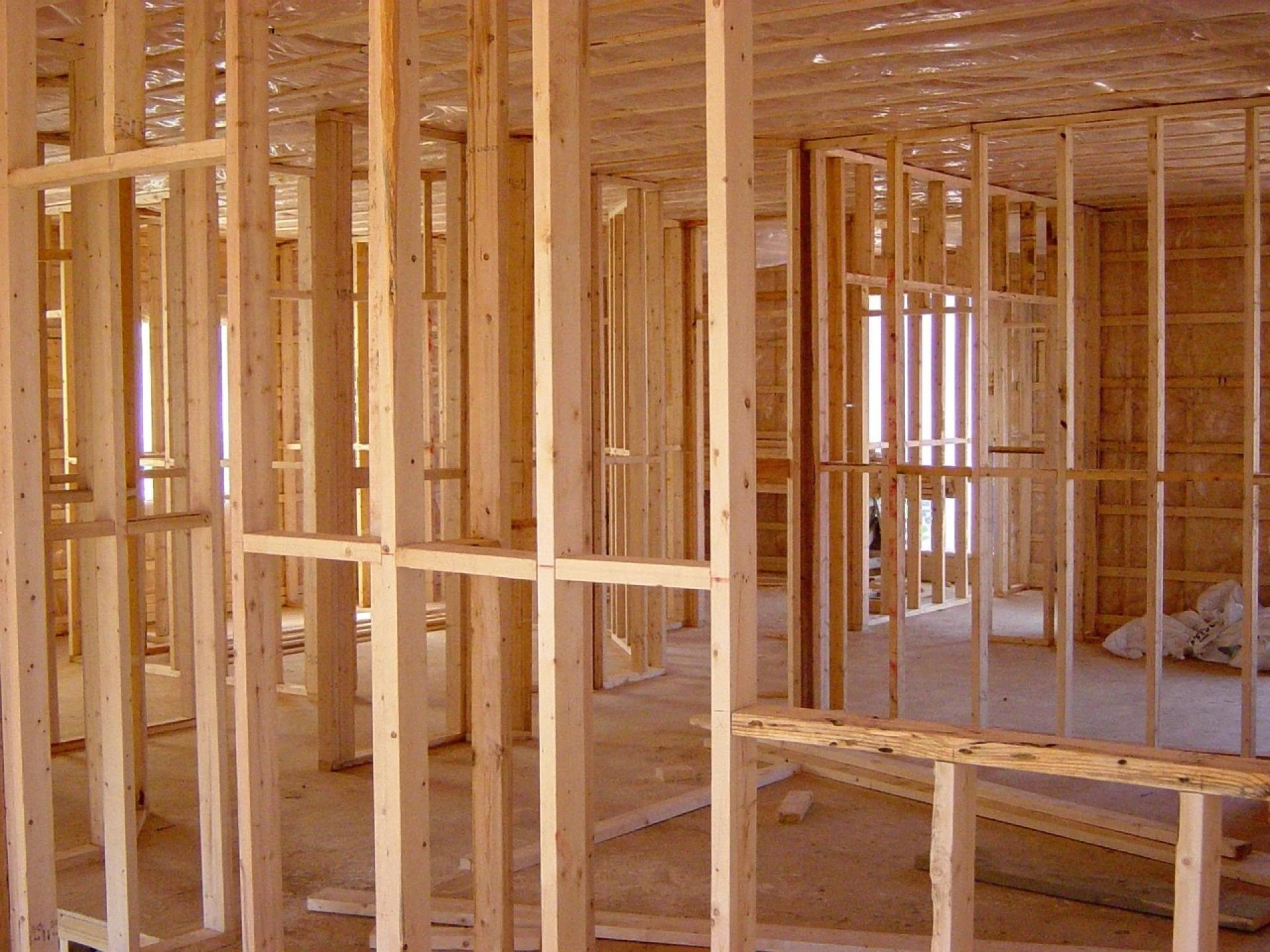

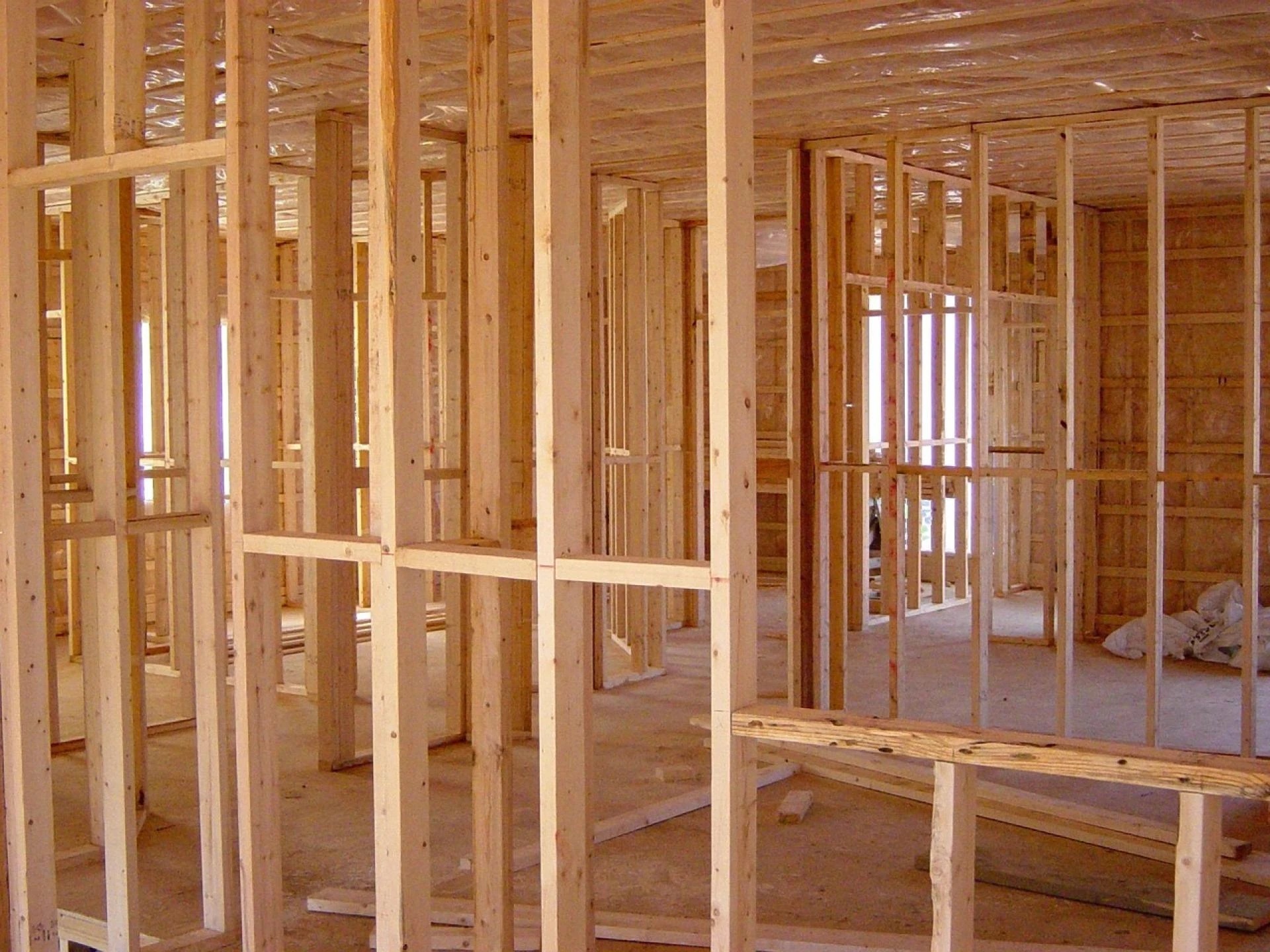
High-quality timber framing techniques are essential for building durable and visually appealing structures. Timber framing forms the backbone of both residential and commercial construction, offering strength, flexibility, and sustainability. Choosing the right framing method can improve efficiency, reduce costs, and provide better long-term performance.
1. Platform Framing
Platform framing is the most common modern construction method. Each floor is built as a “platform” for the next level, with walls constructed on top. This technique is safe, efficient, and simplifies load distribution. It is widely used in single and multi-storey homes.
Advantages:
- Provides stable floors and walls.
- Simplifies installation of services like plumbing and electrical wiring.
- Allows for easy expansion in multi-storey buildings.
2. Post-and-Beam Framing
Post-and-beam framing relies on vertical posts and horizontal beams to support the structure, rather than closely spaced studs. This method allows for open floor plans and large windows, making it popular in modern residential and commercial architecture.
Advantages:
- Creates open, flexible interior spaces.
- Supports heavy loads over long spans.
- Can incorporate exposed timber beams for aesthetic appeal.
3. Balloon Framing
Although less common today, balloon framing involves continuous vertical studs running from the foundation to the roofline. Historically used for taller structures, it distributes loads evenly and allows for taller walls without additional support.
Advantages:
- Continuous studs provide uniform strength.
- Reduces the number of joints, which can be weak points.
- Suitable for multi-storey residential projects.
4. Timber Trusses and Roof Framing
Modern construction often uses prefabricated timber trusses to support roofs. These engineered components are designed for precise load distribution and quick installation. Roof framing with timber trusses reduces on-site labour and improves structural consistency.
Advantages:
- Faster installation than traditional rafter systems.
- Reduces material wastage.
- Can be customised for complex roof designs.
5. Hybrid and Engineered Timber Systems
Some modern projects incorporate laminated or cross-laminated timber panels into framing for added strength and stability. These engineered timber systems allow for longer spans, greater load capacity, and improved resistance to warping or moisture.
Advantages:
- Increased structural stability and durability.
- Enables innovative architectural designs.
- Reduces the need for steel or concrete in certain applications.
Conclusion
Modern construction offers several timber framing techniques, each suited to different project requirements. From the efficiency of platform framing to the openness of post-and-beam or the precision of engineered trusses, choosing the right method ensures structural integrity, design flexibility, and long-term durability. Using high-quality timber framing materials, combined with appropriate techniques, guarantees a safe, strong, and sustainable building that meets both functional and aesthetic goals.






















Sign in to leave a comment.