

Construction sites are busy environments where people, vehicles, lifting equipment and heavy machinery often operate within the same space. Without proper planning and competent personnel, even a routine task can create serious risks. This is why practical training plays an important role in helping workers understand their responsibilities and make safer decisions on site.
Two areas of training that can make a significant difference are the Plant and Traffic Marshall Course and the Appointed Person Course. Although they focus on different responsibilities, both contribute to better organisation, communication and risk control.
Understanding the Plant and Traffic Marshall Role
A plant and traffic marshal has an important responsibility on sites where mobile plant, delivery vehicles and pedestrians work in close proximity. Their role is not simply about directing traffic. They need to understand site procedures, identify potential hazards and communicate clearly with drivers, operators and other workers.
A Plant and Traffic Marshall Course is designed to develop the knowledge required for managing vehicle and pedestrian movements safely. Training commonly covers areas such as site traffic management, vehicle manoeuvring, blind spots, signalling procedures and the risks associated with reversing operations.
Good communication is particularly important. A marshal must understand how to position themselves safely while giving clear and consistent signals to operators. They also need to recognise situations where it may be unsafe to continue an operation and know when further assistance is required.
For employers, having appropriately trained personnel can help create a more organised working environment. For individuals, gaining relevant training can demonstrate an understanding of an important site-safety function and support progression into roles involving traffic management.
Why Lifting Operations Need Careful Planning
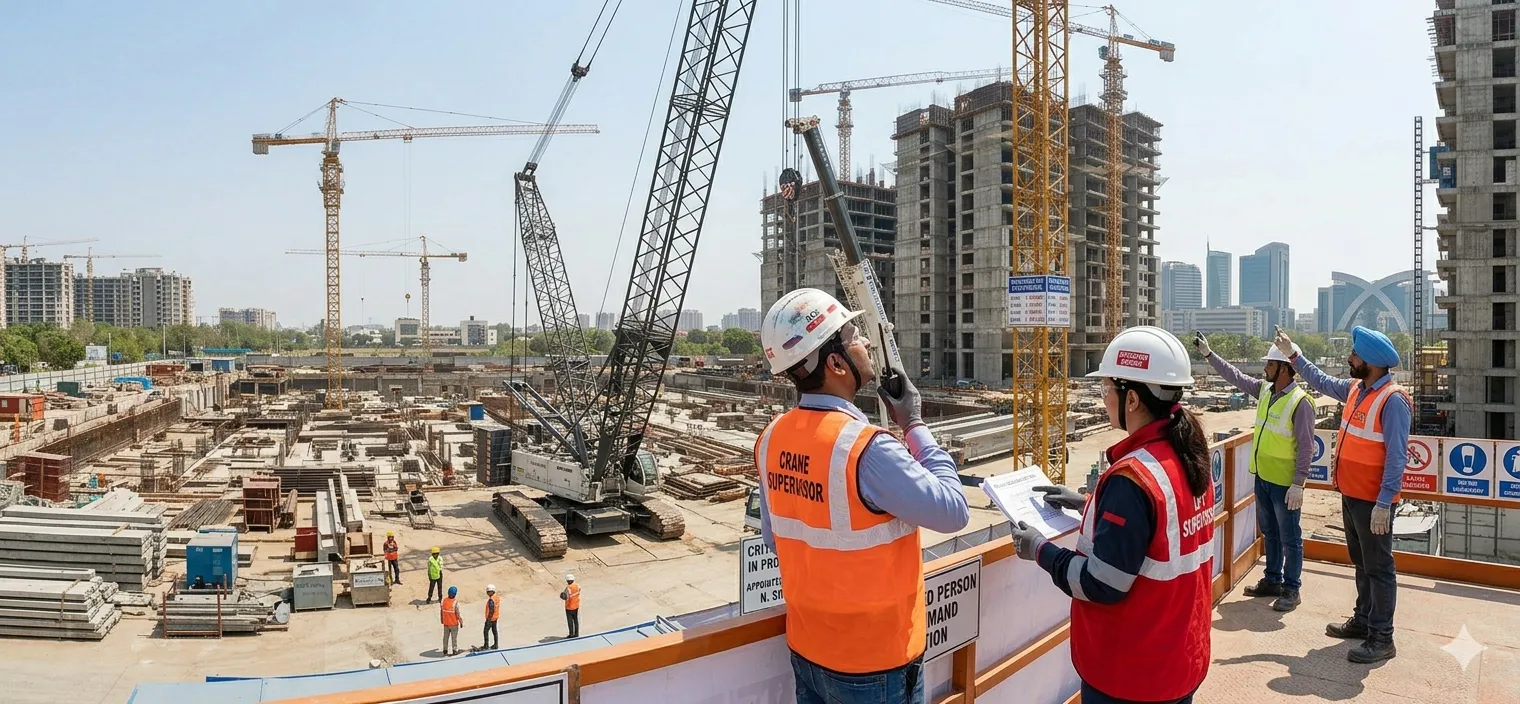
Lifting operations involve their own set of hazards. Cranes and other lifting equipment can move heavy loads over areas where workers, vehicles and structures may be present. Poor planning, unsuitable equipment or unclear communication can quickly turn a lifting activity into a dangerous situation.
This is where the Appointed Person Course becomes relevant.
The appointed person is responsible for planning lifting operations and ensuring that appropriate arrangements are in place before the work begins. Their responsibilities can include assessing the lifting requirements, selecting suitable equipment, considering site conditions, identifying hazards and preparing an effective lifting plan.
This role requires more than simply knowing how lifting equipment works. It involves understanding how different factors can affect an operation, including load characteristics, ground conditions, lifting zones, access restrictions and the positioning of equipment.
The Importance of Risk Assessment and Planning
One of the strongest connections between traffic management and lifting operations is the need for proper risk assessment.
Construction activities rarely happen in isolation. A crane may be operating while vehicles are entering the site, workers are moving materials and other trades are carrying out their own tasks nearby. Without coordination, these activities can interfere with one another.
Competent planning helps identify these interactions before work starts. A traffic marshal can help control movement around operational areas, while an appointed person can ensure that lifting activities are properly planned and communicated.
This approach can reduce confusion and give workers a clearer understanding of what is expected from them.
Choosing Training That Matches Your Responsibilities
Not every construction professional needs the same type of training. The right course depends on the duties a person performs, their existing experience and the requirements of their employer or particular project.
Someone regularly involved in directing vehicles and mobile plant may benefit from a Plant and Traffic Marshall Course, while a professional responsible for planning lifting operations may need an Appointed Person Course.
Before booking training, candidates should check the course entry requirements, assessment process, certification arrangements and whether the qualification is accepted for their intended role. It is also sensible to confirm current employer and site requirements rather than choosing a course based only on its title.
Supporting a Safer Construction Industry
Training cannot remove every risk from construction work, but competent people can make a substantial difference. When workers understand their responsibilities and communicate effectively, site activities can be better coordinated and potential hazards identified earlier.
Both traffic management and lifting operations require preparation, awareness and sound judgement. Investing in appropriate training therefore benefits more than the individual completing the course. It can contribute to better teamwork, improved site organisation and a stronger safety culture.
For construction professionals looking to develop their skills, choosing training that directly reflects their responsibilities is a practical step toward becoming more competent and valuable within the industry.















Sign in to leave a comment.