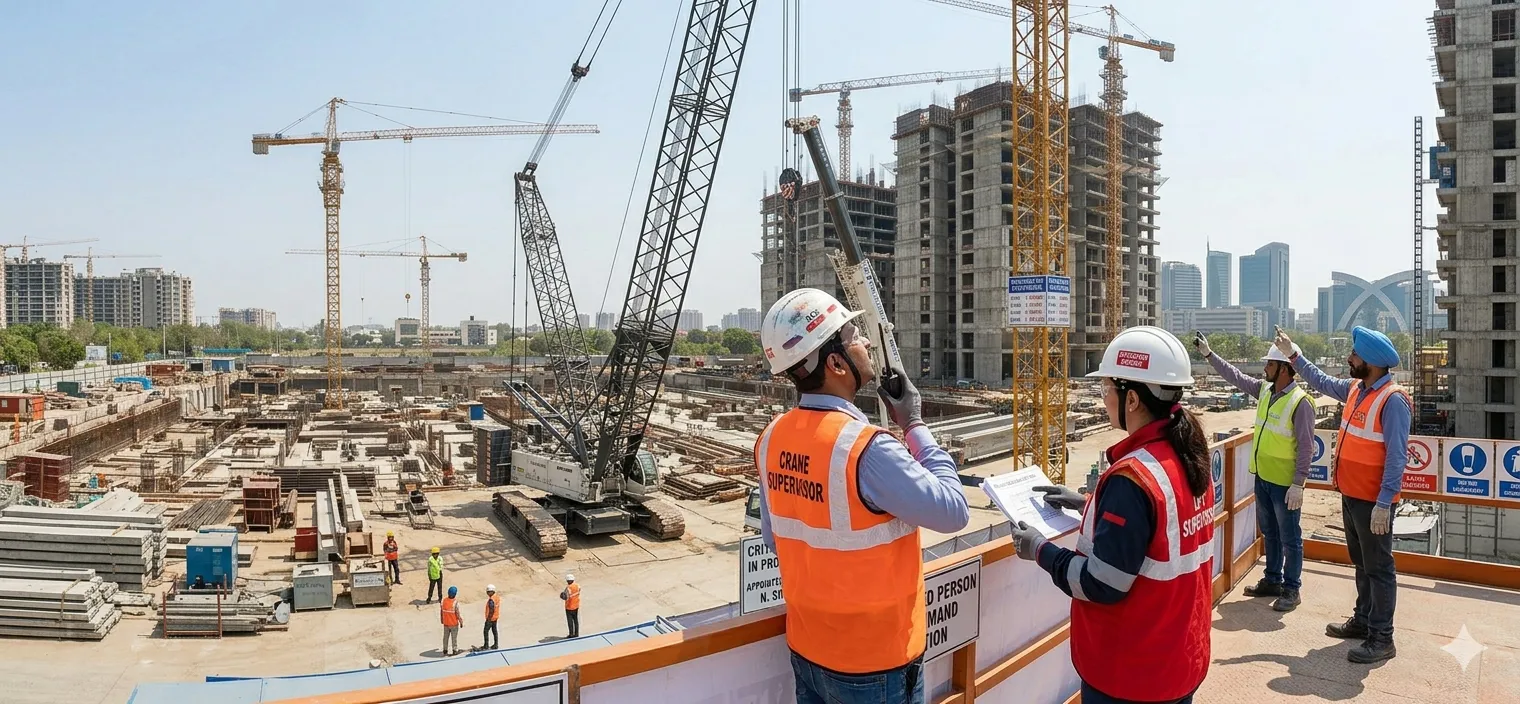
In today’s construction sites, safe lifting isn’t just about knowing the technical details. It’s about staying alert, communicating clearly, and carrying out every step with discipline. That’s why experienced slinger signallers are so important — they’re the ones making sure every lift happens smoothly, without putting workers, equipment, or materials at risk. As projects get bigger and more complex, it’s not enough to just hold the right qualifications through CPCS Slinger Signallers training. You also need to sharpen your load control strategies and adapt to changing site conditions.
One of the best ways to control risk is through proper lift planning. Before the crane even moves, a good slinger signaller will check the load’s weight, balance point, lifting points, and the path it needs to travel. They’ll also look at the environment — wind, uneven ground, overhead wires, or people working nearby. A solid plan sets the tone for the whole operation and helps prevent surprises.
Choosing the right sling is another key part of safe lifting. Even if you’ve done hundreds of lifts, you can’t just rely on habit. Every load is different, and you need to think carefully about sling type, weight limits, angles, and how it’s attached. Regular checks of slings and lifting gear are essential too — spotting wear or damage early can stop a serious accident before it happens.
Communication is what ties it all together. The slinger signaller is the bridge between the crane operator and the rest of the team. Standard hand signals and reliable radios cut through the noise and confusion of a busy site. Every instruction should be short, clear, and confirmed so the operator knows exactly what to do before making a move.
But planning and signals aren’t enough on their own. Experienced signallers know that conditions can change fast — weather shifts, equipment moves, or the work sequence changes. That’s why dynamic risk assessment is so important. It means constantly scanning the site, spotting new hazards, and having the confidence to stop a lift if something doesn’t look right. That pause can save lives and reinforce a culture of safety.
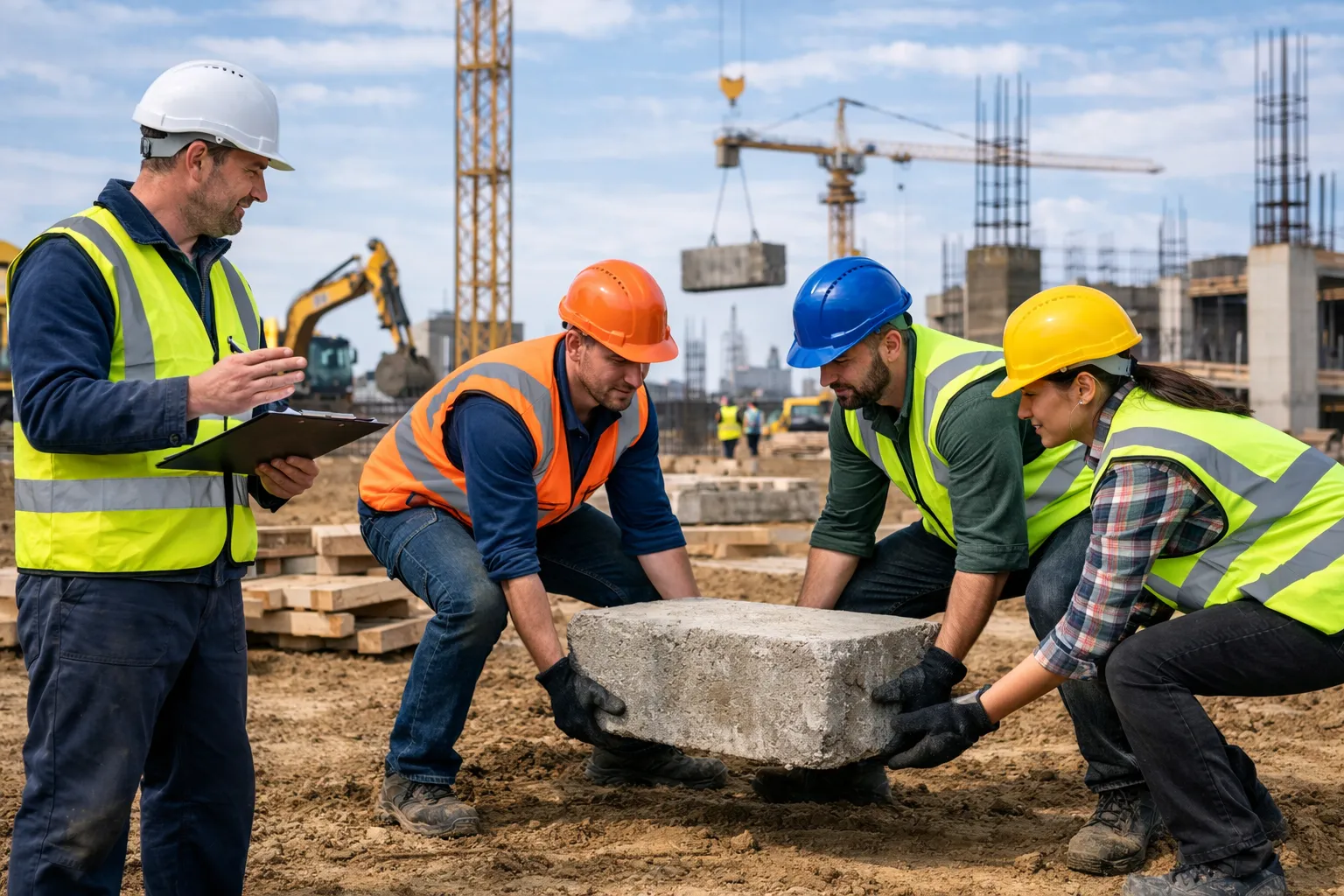
Load stability is another area where vigilance pays off. Sudden crane movements, poor rigging, or unexpected shifts can turn dangerous in seconds. Keeping the rigging balanced, avoiding shock loads, and ensuring smooth crane operation all help maintain control. Watching closely during both lifting and landing prevents costly delays and injuries.
Technology is adding new layers of safety too. Digital lift planning tools, live monitoring systems, and advanced communication devices are becoming more common. But technology only works when paired with skilled professionals who know how to interpret what’s happening on site. That’s why ongoing CPCS Slinger Signallers training is so valuable — it keeps operators up to date with new regulations, equipment, and best practices.
At the end of the day, safe lifting comes down to preparation, awareness, and continuous learning. Even the most experienced signallers benefit from refreshing their knowledge and adapting to new challenges. By combining hands-on expertise with structured CPCS training, lifting teams can deliver safe, efficient, and compliant operations that protect people and keep projects moving forward.






















Sign in to leave a comment.