

The United Kingdom has a dire need for a skilled workforce in construction and other related areas. The national agenda pushes for the construction of new housing, improvement of roads, and adoption of green buildings as the core focus. This has created a never-ending requirement for builders, electricians, plumbers, machine operators, and land surveyors. Several employers blame the lack of skilled labor in the construction sector for their inability to fill these openings. This gap has been the reason for new workers and adults wanting to improve their training and certifications.
The good news is that the UK has well-defined training paths. These paths not only guide you throughout the process of acquiring the necessary skills and certificates for safe site work but also help start your career. Below are the main skills in demand and the respective courses that prepare you for each one.
1. Bricklaying and Key Trade Skills
Among various trades in the UK, bricklaying ranks at the top as the most in-demand one. This is primarily because bricks are the main material for the construction of new houses. Also, the builders depend on the skilled masons to erect walls that are not only strong but also sound. Besides, other trades such as carpentry and plastering, too, are experiencing shortages of workers, but bricklaying takes precedence over others.
Usually, the new learners in this field get a Level 1 or Level 2 Diploma in Bricklaying from a nearby college as a starter pack. The practical part of these courses consists of how to lay bricks, prepare mortar, and make small constructions. Many end up getting into a Level 2 or Level 3 Bricklaying Apprenticeship. Here, they are remunerated and get practical experience. When you feel you have acquired enough skills, you can go for the NVQ Level 2 in Bricklaying. This serves as the primary certification for this occupation. A holder of this NVQ is entitled to apply for a Blue Skilled Worker CSCS Card. This card is a condition at a majority of the construction sites.
2. Plumbing, Heating, and Ventilation
Safeguarding and warming is done by plumbers and heating engineers in homes and offices. They do piping, boiler, and radiator installation or repair, along with air-conditioning repairs. The UK has a vision of energy-efficient homes when it comes to the future. As a result, they need people who are capable of installing heat pumps and comprehensive heating systems. This makes the demand for such professionals high. The Level 2 Diploma in Plumbing Studies is the most common starting point for training. It provides an understanding of the very basic things like pipework and water systems. After that comes the Level 3 Diploma in Plumbing and Domestic Heating. This course allows working with more complicated things and a more specialized knowledge. The majority of students opt for the Level 3 Plumbing and Heating Apprenticeship to grow with the employer. Then, after completion of NVQ Level 2 or 3 in Plumbing, the person is considered a qualified technician. In addition, for practicing with gas, one must also undergo the ACS assessments, which are a prerequisite for entering the Gas Safe Register. This is a rule that is enforced by law in the UK.
3. Electrical Installation and Building Services
The presence of electricians is necessary in almost every construction site. The work they do includes installation of cables, systems of lights and sockets, as well as fire alarms. Moreover, the new regulations concerning the use of energy and the electrification of vehicles create the necessity for electrical work to be done more than ever in the past.
Usually, at the beginning, the most common thing is to get a Level 2 Diploma in Electrical Installation and then go on to a NVQ Level 3 certificate. In these courses, the students will learn about wiring, testing, and safety regulations compliance. The most common path is to take the Level 3 Electrical Installation Apprenticeship, which allows one to gain practical experience on-site. The last step of the training is to register one's completion of the NVQ Level 3 in Electrotechnical Systems and passing the AM2 test, which evaluates one's skills. Besides that, many electricians also apply for an ECS Card, a kind of certification that is similar to a CSCS card, but aimed at electrical workers.
4. Surveying, Planning, and Civil Engineering
The profession of surveyors and civil engineers is to provide assistance in the proper planning of building projects. They do this by measuring regions of the land, doing design checks, controlling the budget, and making sure the buildings constructed are safe. These professions are greatly needed in the fields of residential houses, roads, bridges, and various drainage systems.
A very common way of entry into this area is getting a T Level in Design, Surveying, and Planning for Construction. The course consists of practical experience as well as theoretical knowledge. Some learners choose to progress to an HNC or HND in Construction or Built Environment, while others complete a
This certainly involves practical experience in a real project. Surveyors go to RICS while engineers get the CEng designation through their respective professional bodies. These designations indicate that you are capable of maintaining high industry standards.
5. Plant Operation and Construction Machinery
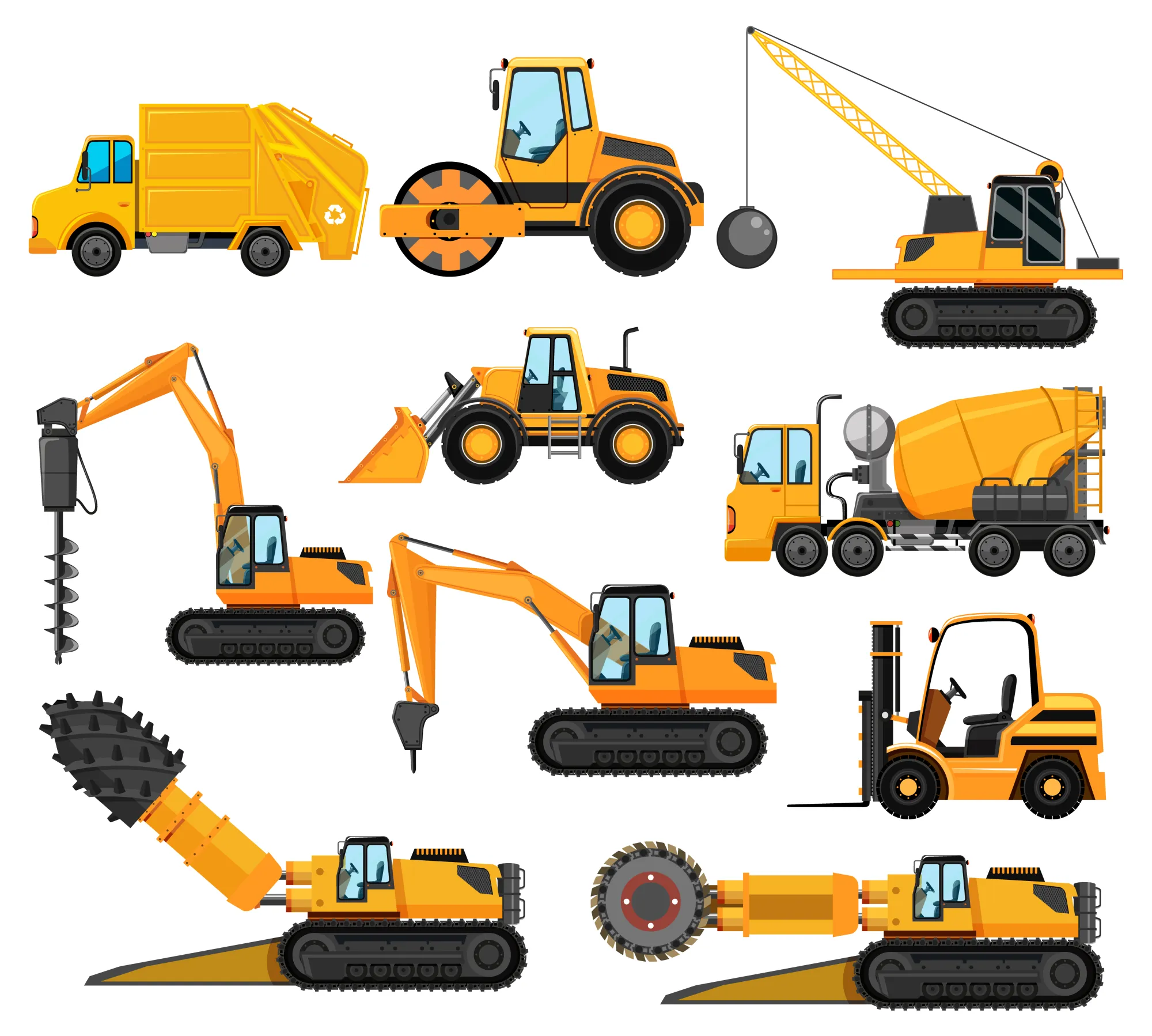
Plant operators control the heavy-duty machines that are responsible for the entire building site. Heavy-duty machines such as excavators, cranes, dumpers, and telehandlers are used for soil moving, material lifting, and land preparation. As such, proper usage of these machines is essential; hence, good training is necessary.
Main certification include:
- CPCS Plant Operator Cards
- NPORS Plant Operator Cards
Usually, the training starts with either the CPCS or NPORS course for the specific type of machine you want to operate. After accumulating experience, you can take an NVQ Level 2 in Plant Operations, culminating in the Blue CPCS Competent Operator Card. Additionally, a valid CSCS card is typically expected by most sites to certify that the holder has basic health and safety knowledge.























Sign in to leave a comment.