In construction, risk management isn’t just about ticking boxes for compliance — it’s about keeping people safe, protecting the public, and making sure projects succeed without costly setbacks. If you’re stepping into a supervisory role, especially through the SSSTS certification, risk assessment becomes one of your most important responsibilities.
Why Risk Assessment Matters
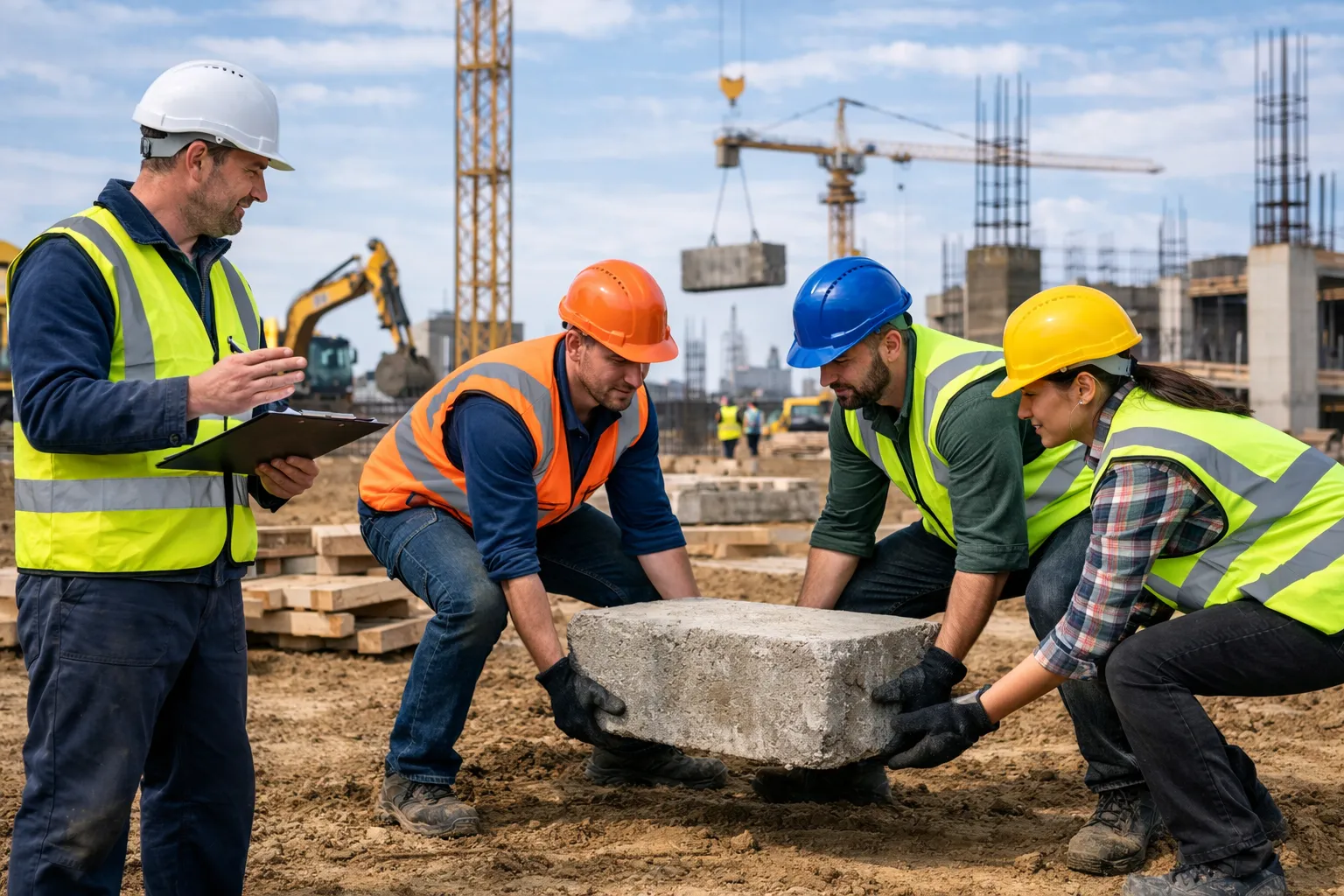
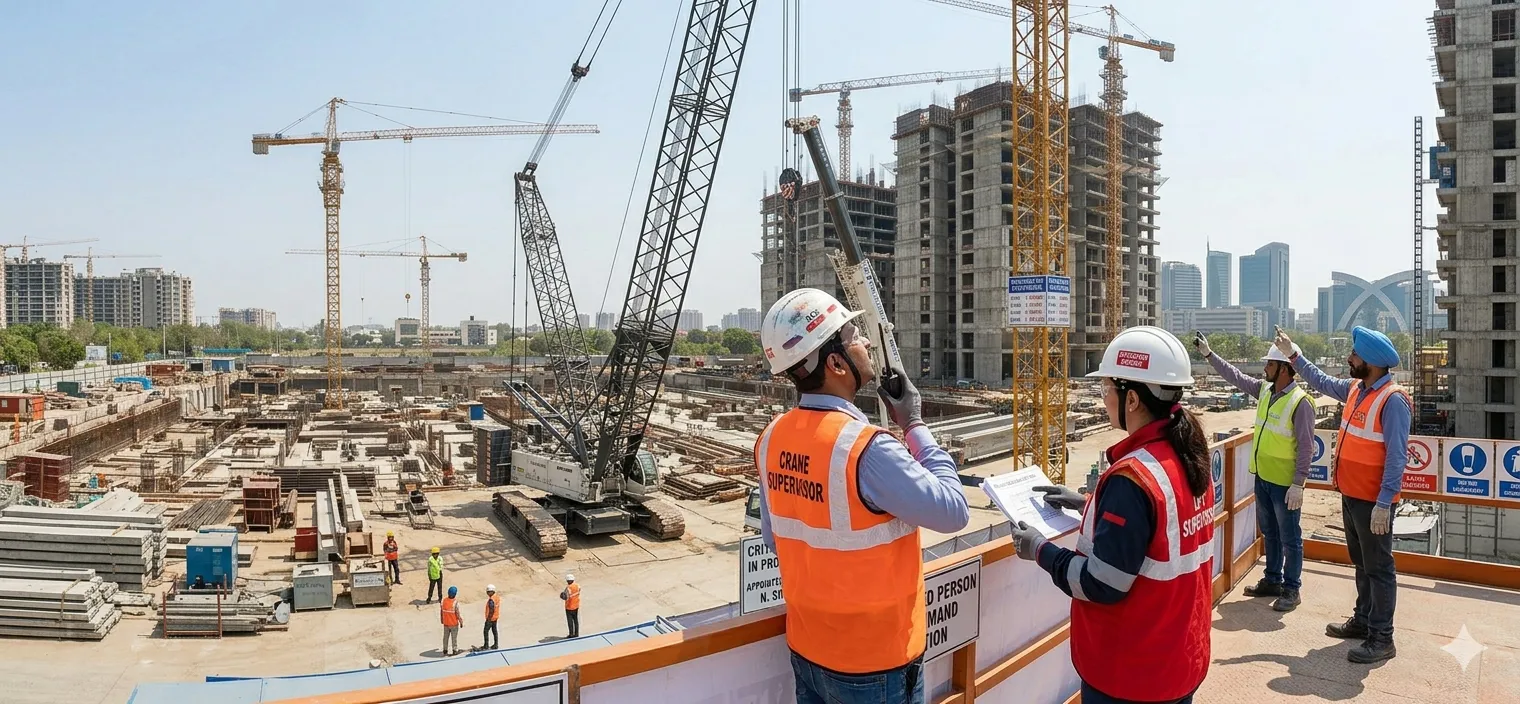
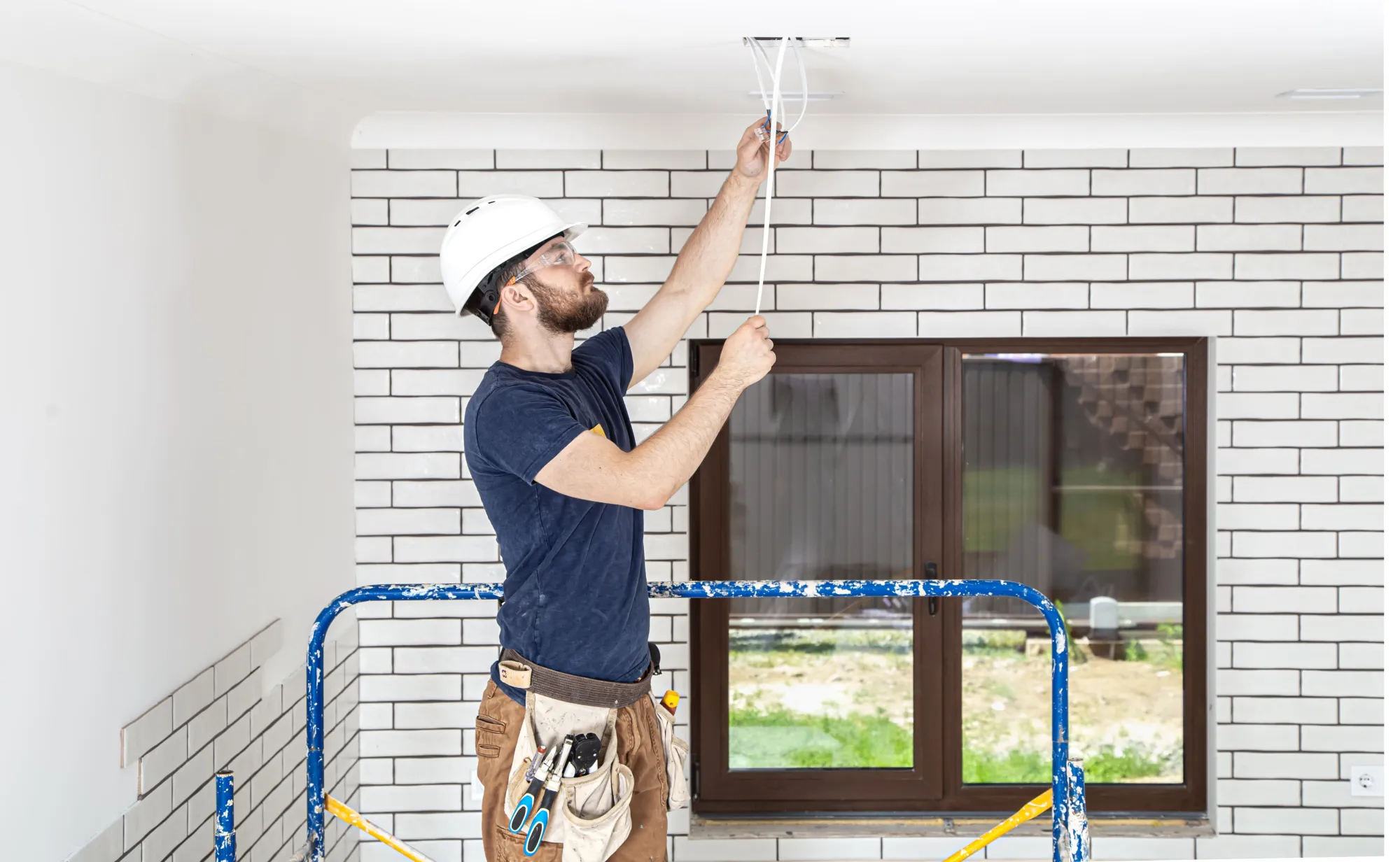
Think about the tasks that carry the biggest dangers: working at height, excavation, demolition, or operating heavy machinery. These aren’t just “high‑risk activities” on paper — they’re situations where lives can change in seconds. A strong risk assessment helps you spot problems before they happen and gives you the tools to keep your team safe.
Step 1: Spot the Hazards
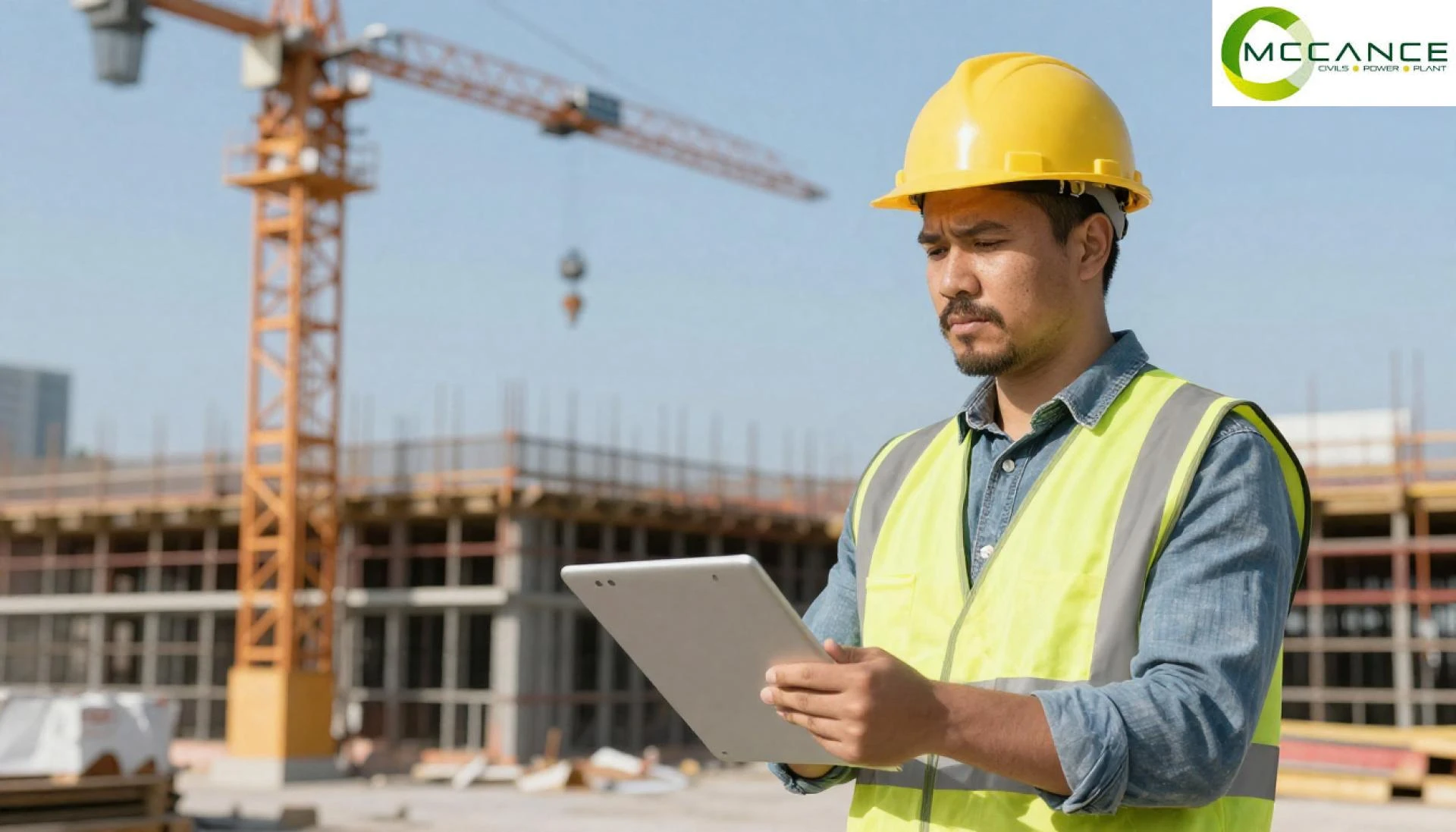
Your first job is to notice what could go wrong. Falls from scaffolding, cave‑ins during excavation, or hidden underground utilities — these are the kinds of hazards you’ll need to identify. SSSTS training sharpens your eye so you can see both the obvious and the less visible risks.
Step 2: Judge the Risk
Once you’ve spotted the hazards, ask yourself: How likely is this to happen, and how bad could it be? Many sites use a simple risk matrix to help you decide whether something is low, medium, or high risk. The higher the risk, the faster you need to act.
Step 3: Put Controls in Place
Here’s where you make a difference. The “hierarchy of controls” gives you a clear order of action:
- Eliminate the hazard if possible.
- Substitute safer methods or materials.
- Use engineering controls like guardrails.
- Apply administrative controls like training and safe work procedures.
- Finally, rely on PPE as the last line of defense.
For example, if working at height can’t be avoided, guardrails and proper training come first, while harnesses provide backup protection.
Step 4: Talk About It
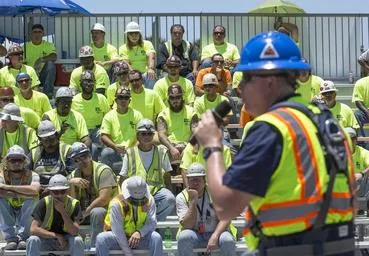
Risk assessment isn’t useful if it stays on paper. Supervisors need to communicate clearly — through toolbox talks, site briefings, and everyday conversations. Encourage your team to speak up about hazards. A culture of safety grows when everyone feels responsible.
Step 5: Keep It Updated
Construction sites change daily. What was safe yesterday might not be safe today. Regular inspections, audits, and feedback help you stay ahead of new risks. SSSTS training prepares you to adapt quickly and keep control measures effective.
The Bigger Picture
When you manage risk well, you’re not just protecting workers — you’re building trust, saving time, and ensuring projects run smoothly. SSSTS certification gives you the confidence and skills to lead with safety at the core.

















Sign in to leave a comment.