When planning a construction or renovation project, choosing the right concrete pouring services in Troy can make the difference between a long-lasting structure and costly repairs down the line. Concrete is more than just a mix of cement, water, and aggregates—it’s the literal foundation of durability, safety, and design.
Understanding the Scope of Work
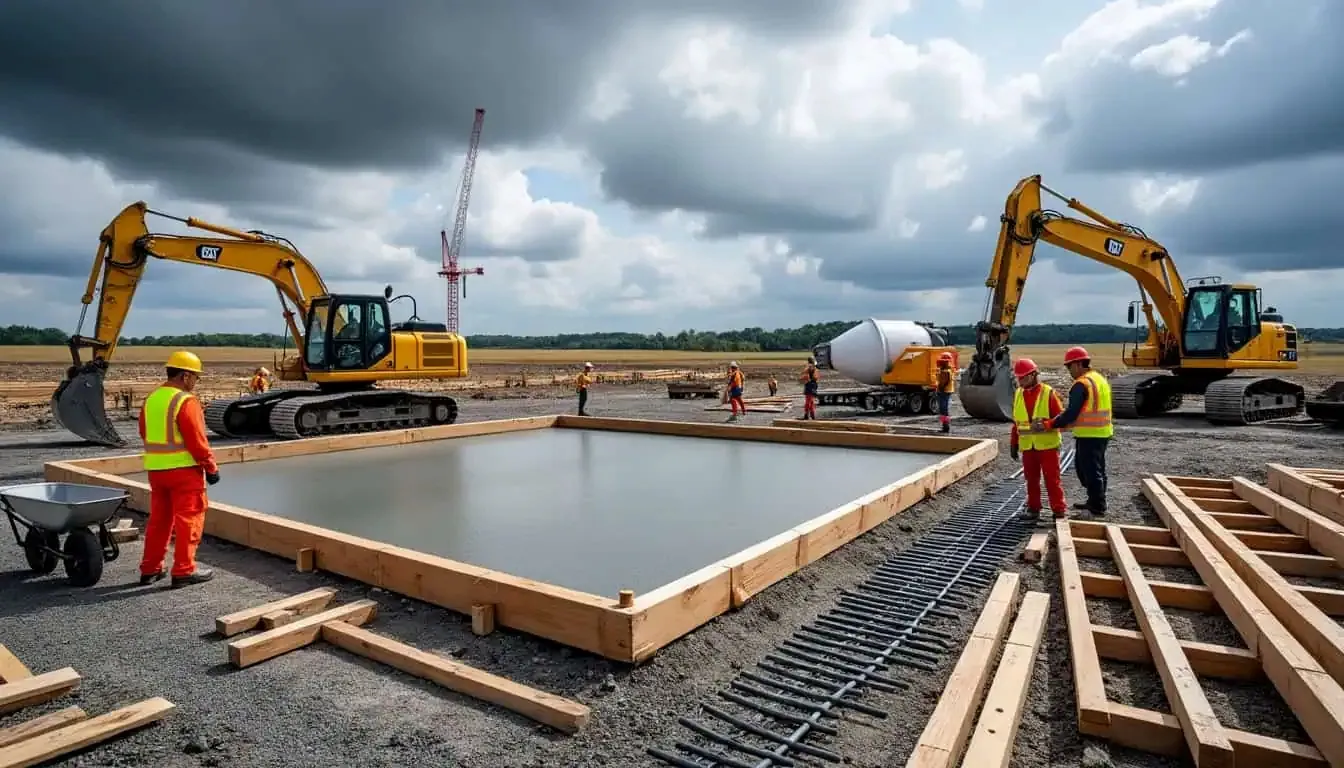
Concrete pouring involves several stages beyond simply laying material. A professional service typically handles site preparation, formwork setup, mixing, pouring, leveling, and curing. Each phase requires precision and timing.
A key fact: improperly cured concrete can lose up to 50% of its potential strength. This highlights why skilled handling is essential from start to finish.
Why Experience Matters
Not all contractors deliver the same quality. Experience plays a major role in ensuring the job is done correctly. Skilled professionals understand how weather, soil conditions, and project type affect the pouring process.
Look for contractors who:
- Have a proven track record with similar projects
- Can explain their process clearly
- Offer references or past work examples
Experienced teams offering concrete pouring services are more likely to anticipate challenges and prevent structural issues before they arise.
Materials and Mix Quality
Concrete isn’t one-size-fits-all. Different projects require different mixes depending on load-bearing needs, exposure conditions, and finishing requirements.
For example:
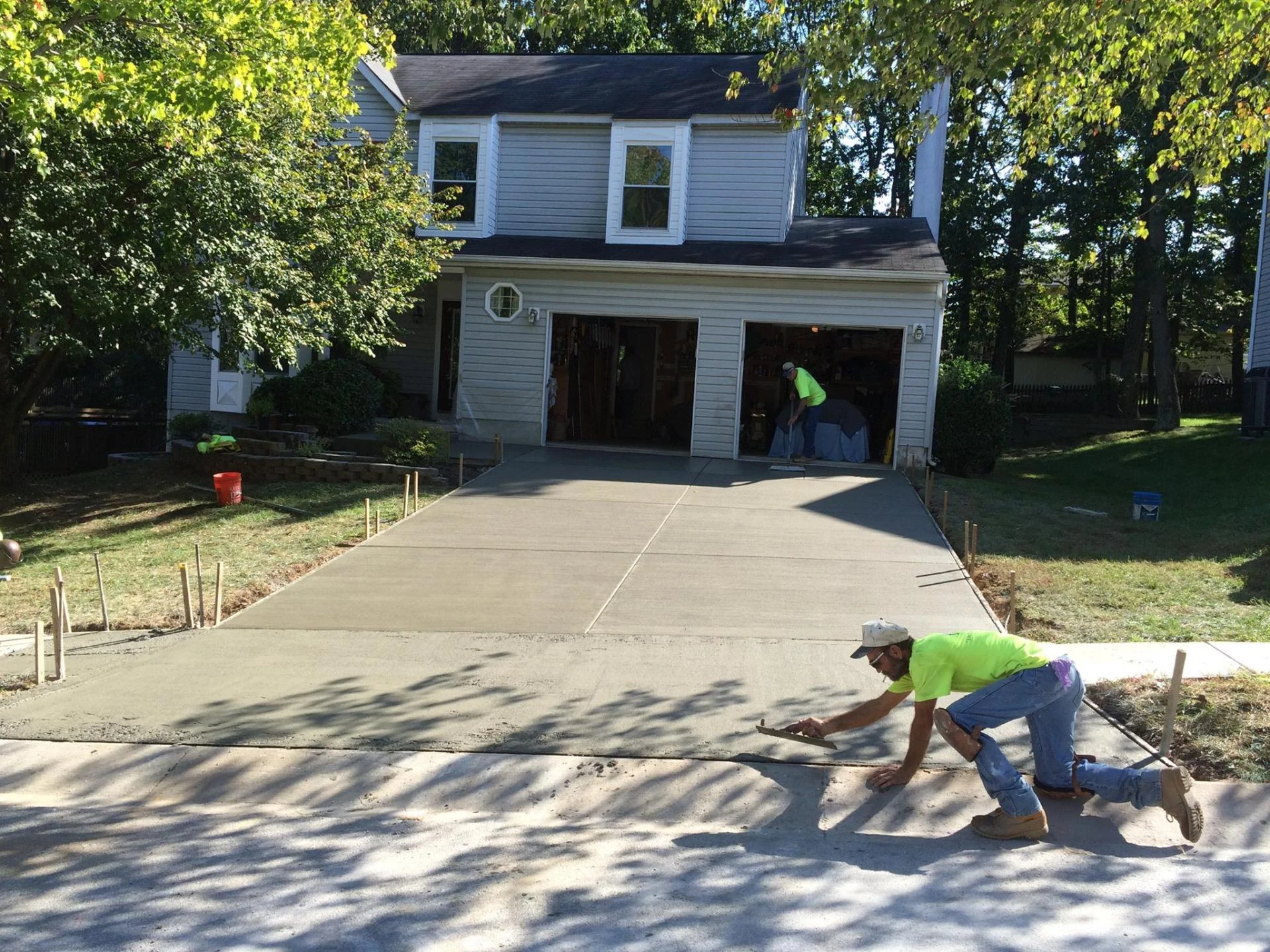
- Driveways need a mix that withstands heavy loads and weather cycles
- Foundations require high compressive strength
- Decorative surfaces may use specialized additives or finishes
A reliable contractor will recommend the appropriate mix design instead of using a generic solution.
Timing and Weather Considerations
Concrete pouring is highly sensitive to environmental conditions. Temperature, humidity, and wind all influence how the material sets and cures.
Facts to consider:
- Pouring in extreme heat can cause rapid drying and cracking
- Cold temperatures can delay curing and weaken the structure
- Rain during pouring can compromise surface integrity
Professional contractors plan pours carefully and may use techniques like curing compounds or protective coverings to control these variables.
Cost vs. Value
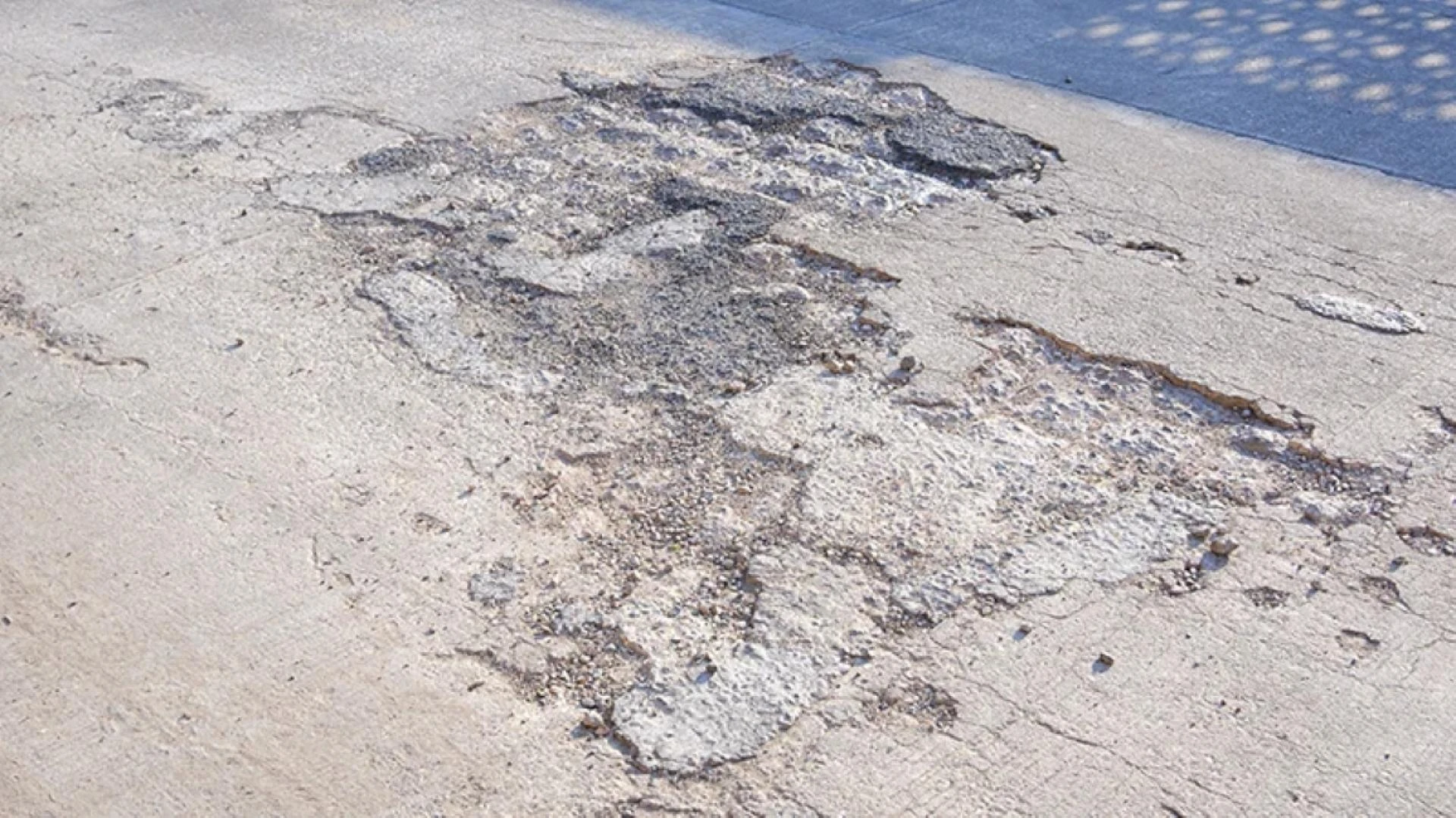
While it’s tempting to choose the lowest bid, concrete work is not an area where cutting corners pays off. Poor workmanship can lead to cracks, uneven surfaces, or structural failure—resulting in expensive repairs.
Instead of focusing solely on cost:
- Evaluate what’s included in the quote
- Ask about warranties or guarantees
- Consider long-term durability over short-term savings
Hiring reputable concrete pouring services often means a higher upfront cost, but significantly better value over time.
Licensing and Safety Standards
Concrete work involves heavy equipment, precise calculations, and safety risks. Always ensure the contractor is licensed and follows local building regulations.
Important considerations include:
- Proper insurance coverage
- Compliance with safety standards
- Knowledge of permits and inspections
This not only protects workers but also shields you from legal and financial liabilities.
Communication and Project Planning
Clear communication is often overlooked but critical. A reliable contractor will provide timelines, updates, and realistic expectations.
Ask questions like:
- What is the estimated completion time?
- How will delays be handled?
- Who is the point of contact?
Transparency helps avoid misunderstandings and ensures the project stays on track.
Final Thoughts
Hiring the right concrete professionals requires careful evaluation of experience, materials, planning, and reliability. Concrete is a long-term investment, and mistakes can be difficult and expensive to fix. By taking the time to choose qualified experts and understanding the process, you set your project up for strength, stability, and lasting success.































Sign in to leave a comment.