Concrete is known for its strength and long life, but its durability depends heavily on how it is poured. When concrete is not placed and handled correctly, the surface can begin to peel, flake, or chip away. This problem is called surface scaling. It often appears during the first few seasons after installation and can make even new concrete look old and damaged.
What Is Surface Scaling?
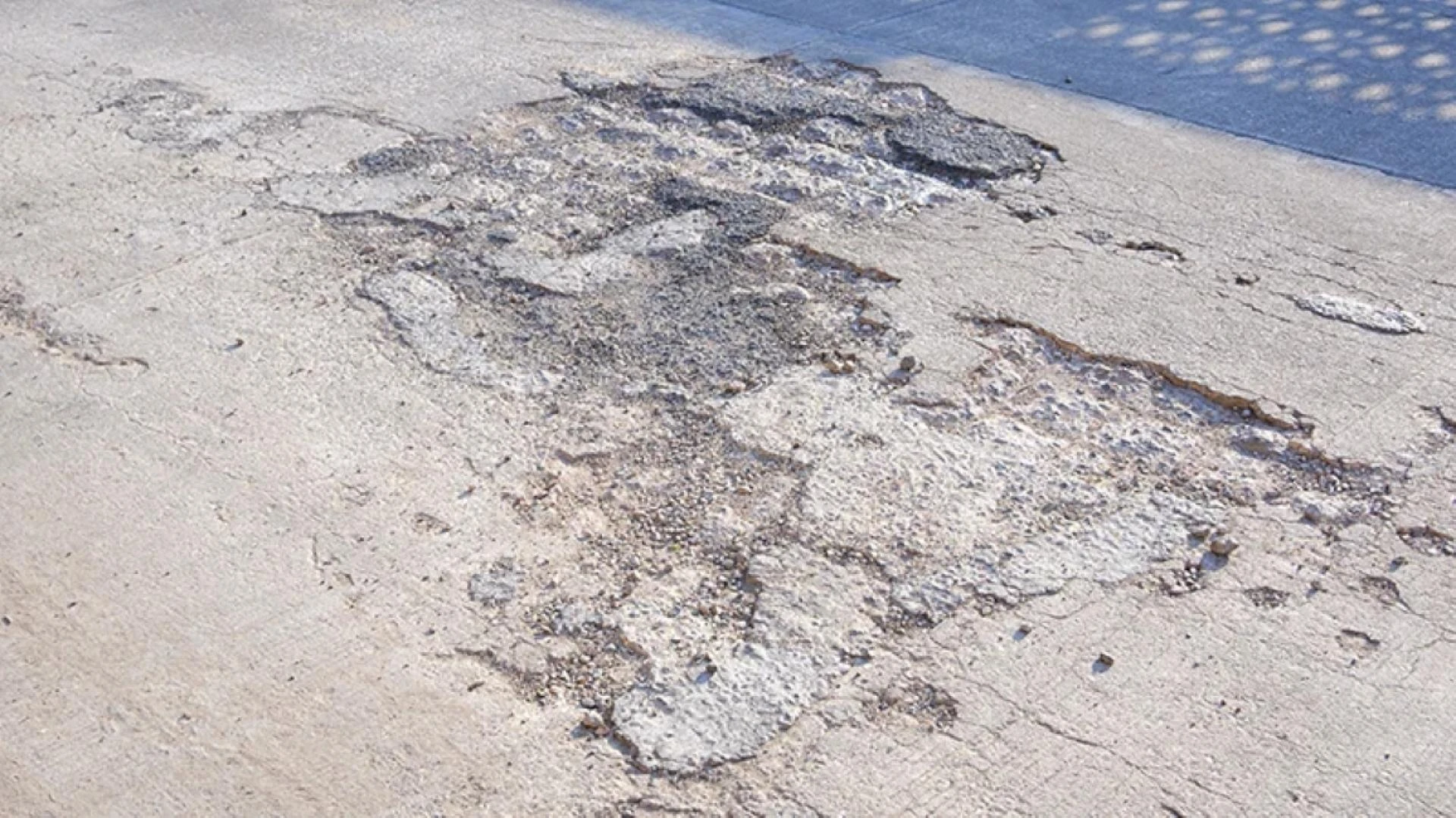
Surface scaling happens when the top layer of concrete breaks apart. Small thin pieces start to come off, exposing the rough material underneath. Over time, the damage can spread across large areas.
Scaling usually looks like:
- Light peeling on the surface
- Small chips or flakes
- Rough and uneven texture
Many homeowners contact residential concrete services in Troy when they first notice these signs because early action can prevent deeper damage.
Adding Too Much Water During Pouring
One of the main causes of surface scaling is adding too much water to the mix. Sometimes workers add extra water to make the concrete easier to spread. While this may make the job faster, it weakens the top layer.
Too much water can:
- Reduce surface strength
- Cause faster wear
- Increase cracking and flaking
Professional residential concrete services carefully measure water to keep the mix balanced and strong.
Poor Finishing Timing
Finishing must be done at the correct time. If workers begin finishing while there is still water on the surface, it can trap extra moisture at the top layer.
This weak top layer:
- Becomes soft
- Loses durability
- Is more likely to scale during cold weather
Timing is very important. Skilled teams know when the surface is ready for finishing without causing damage.
Inadequate Curing After Pouring
Curing helps concrete gain strength slowly and evenly. If curing is rushed or skipped, the surface may dry too quickly. Fast drying creates weak concrete at the top.
Proper curing methods include:
- Keeping the surface moist
- Using curing compounds
- Protecting from direct sunlight
Residential concrete services focus on correct curing to prevent surface problems like scaling.
Exposure to Freeze-Thaw Cycles
In colder climates, water can enter small surface pores. When temperatures drop, the water freezes and expands. This expansion causes the top layer to break apart.
If the concrete was poured improperly, it becomes more vulnerable to freeze-thaw damage. A weak surface cannot handle this pressure and begins to scale.
Using Deicing Salts Too Early
Deicing salts are often used on driveways and walkways during winter. If applied during the first year after pouring, they can damage the surface.
Salts:
- Increase moisture absorption
- Speed up surface breakdown
- Weaken poorly poured concrete
This is why residential concrete services often advise homeowners to avoid salt use during the first winter.
Poor Air Entrainment in the Mix
Air entrainment means adding tiny air bubbles inside the concrete mix. These bubbles allow space for water to expand during freezing.
Without proper air content:
- Concrete cannot handle temperature changes
- Surface becomes brittle
- Scaling risk increases
Experienced residential concrete services ensure the correct air levels are included in the mix design.
Uneven Surface Compaction
If concrete is not compacted evenly during pouring, weak spots can form. These areas may look normal at first but break down faster under traffic and weather stress.
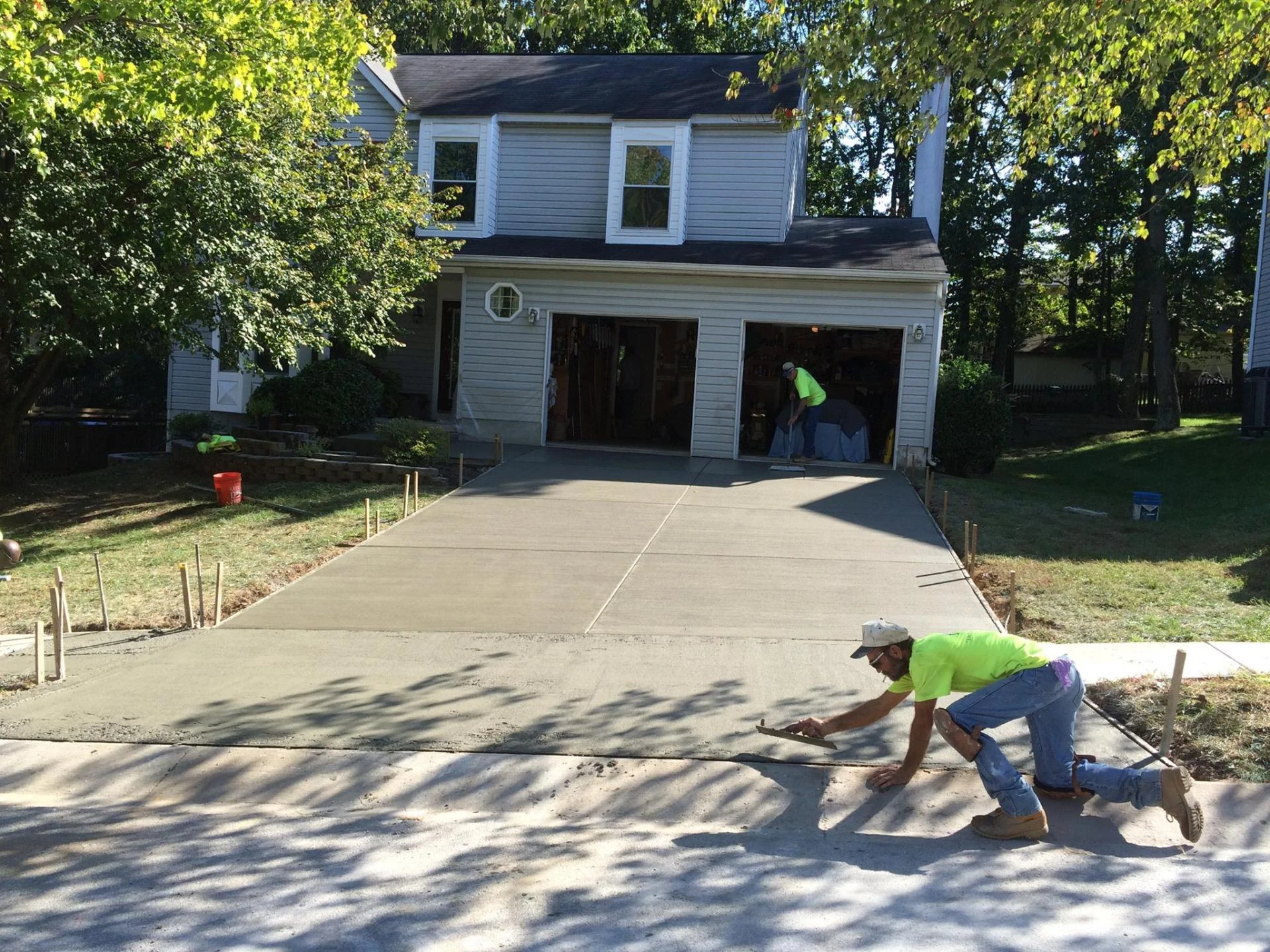
Proper placement and leveling tools help prevent this issue and create a dense, durable surface.
Long-Term Effects of Surface Scaling
If scaling is not addressed, it can lead to deeper structural problems. Water can move into lower layers, causing cracks and weakening the entire slab.
Over time, this may result in:
- Costly repairs
- Full slab replacement
- Safety hazards
Fixing improper pouring early saves money and protects the property.
Final Thoughts
Surface scaling is often the result of mistakes made during pouring and finishing. Adding too much water, poor timing, weak curing, and improper mix design can all damage the top layer of concrete. While scaling may start small, it can grow into serious structural issues. By choosing skilled professionals and following proper construction methods, homeowners can enjoy smooth, strong, and long-lasting concrete surfaces for many years.


























Sign in to leave a comment.