A strong driveway does not start with concrete; it begins with the soil underneath. Many driveway problems like cracks, sinking, and uneven surfaces are caused by weak or unstable ground. When the soil is not properly prepared, even the best materials cannot perform well. Good soil stability ensures that the driveway stays firm, safe, and long-lasting under daily vehicle use and changing weather conditions.
What Is Soil Stability in Simple Terms?
Soil stability means how strong and firm the ground is before construction begins. Stable soil can support weight without shifting or settling. Unstable soil, on the other hand, may move, compress, or expand over time.
This movement can directly affect the driveway surface. That is why experienced concrete driveway contractors in Troy always check soil condition before starting any project.
How Weak Soil Affects Driveways
When soil is not stable, it cannot properly support the concrete layer above it. This leads to several common issues that reduce the life of the driveway.
Some of the main problems include:
- Cracks appearing on the surface
- Uneven or sunken areas
- Water pooling in low spots
- Edges breaking or crumbling
Professional concrete driveway contractors understand that these issues often start from below the surface, not the concrete itself.
Types of Soil and Their Impact
Different types of soil behave in different ways. Knowing the soil type helps in choosing the right preparation method.
1. Clay Soil
Clay expands when wet and shrinks when dry. This constant movement can damage the driveway over time.
2. Sandy Soil
Sandy soil drains water well but may not hold its shape under heavy loads unless compacted properly.
3. Loamy Soil
This is a balanced mix of sand, silt, and clay. It is generally more stable but still needs proper preparation.
Skilled concrete driveway contractors evaluate the soil type and adjust their approach based on its properties.
Importance of Soil Compaction
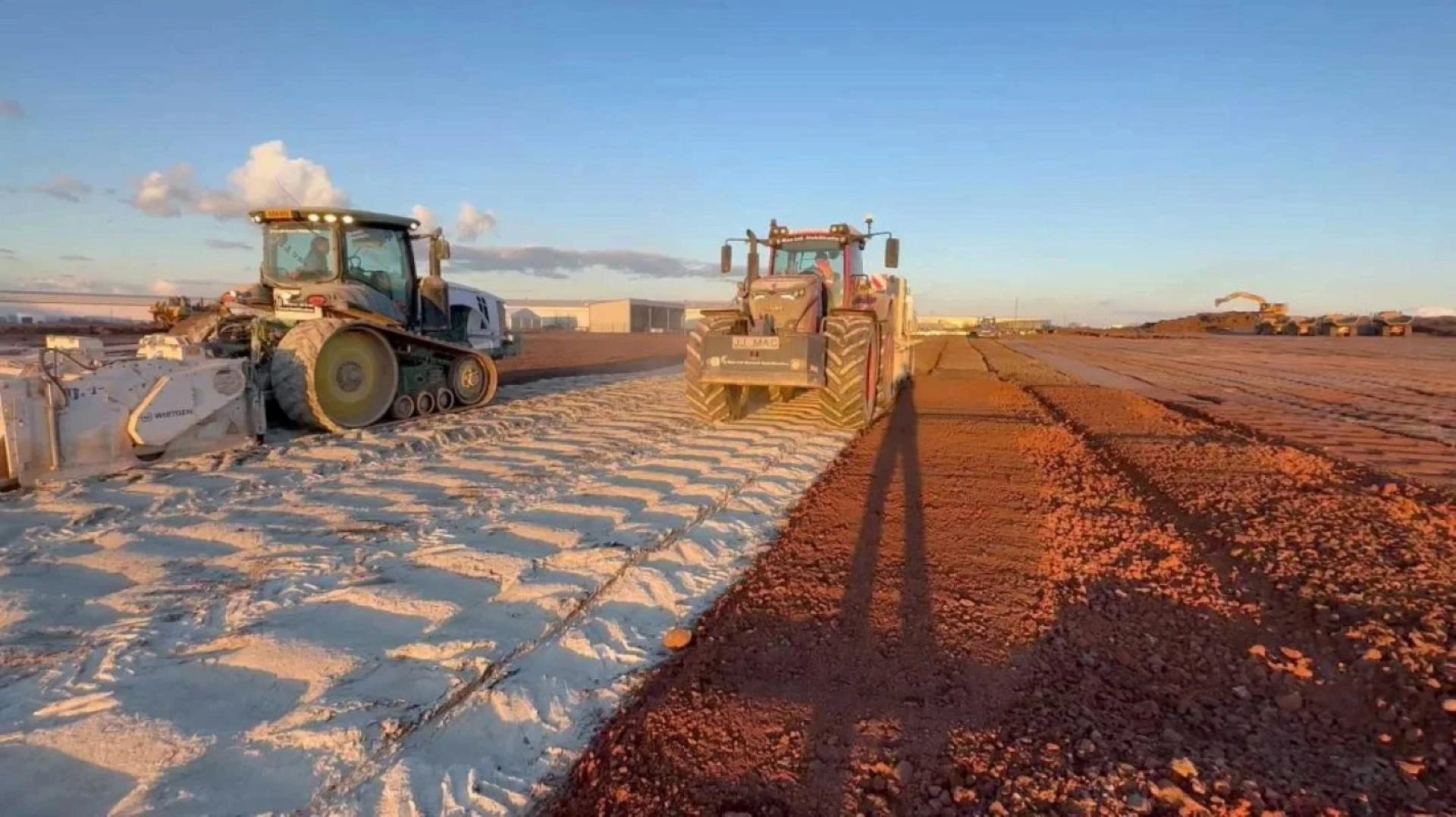
Compaction is the process of pressing the soil tightly to remove air gaps and increase its strength. This step is very important for creating a solid base.
Proper compaction helps:
- Increase load-bearing capacity
- Prevent future settling
- Create a uniform surface for concrete
Without compaction, the soil may shift after construction, causing damage. Reliable concrete driveway contractors use special equipment to achieve the right level of compaction.
Role of Base Layers in Stability
In many cases, a base layer is added between the soil and the concrete. This layer usually consists of gravel or crushed stone.
The base layer provides:
- Additional strength and support
- Better drainage to prevent water buildup
- A stable platform for concrete pouring
This step is especially important when the natural soil is not strong enough on its own.
Managing Water and Drainage
Water is one of the biggest threats to soil stability. When water collects under the driveway, it weakens the soil and causes movement.
To prevent this, contractors focus on:
- Proper slope design for water flow
- Installing drainage systems if needed
- Using materials that allow water to pass through
Experienced concrete driveway contractors ensure that water does not damage the base of the driveway.
Signs of Poor Soil Preparation
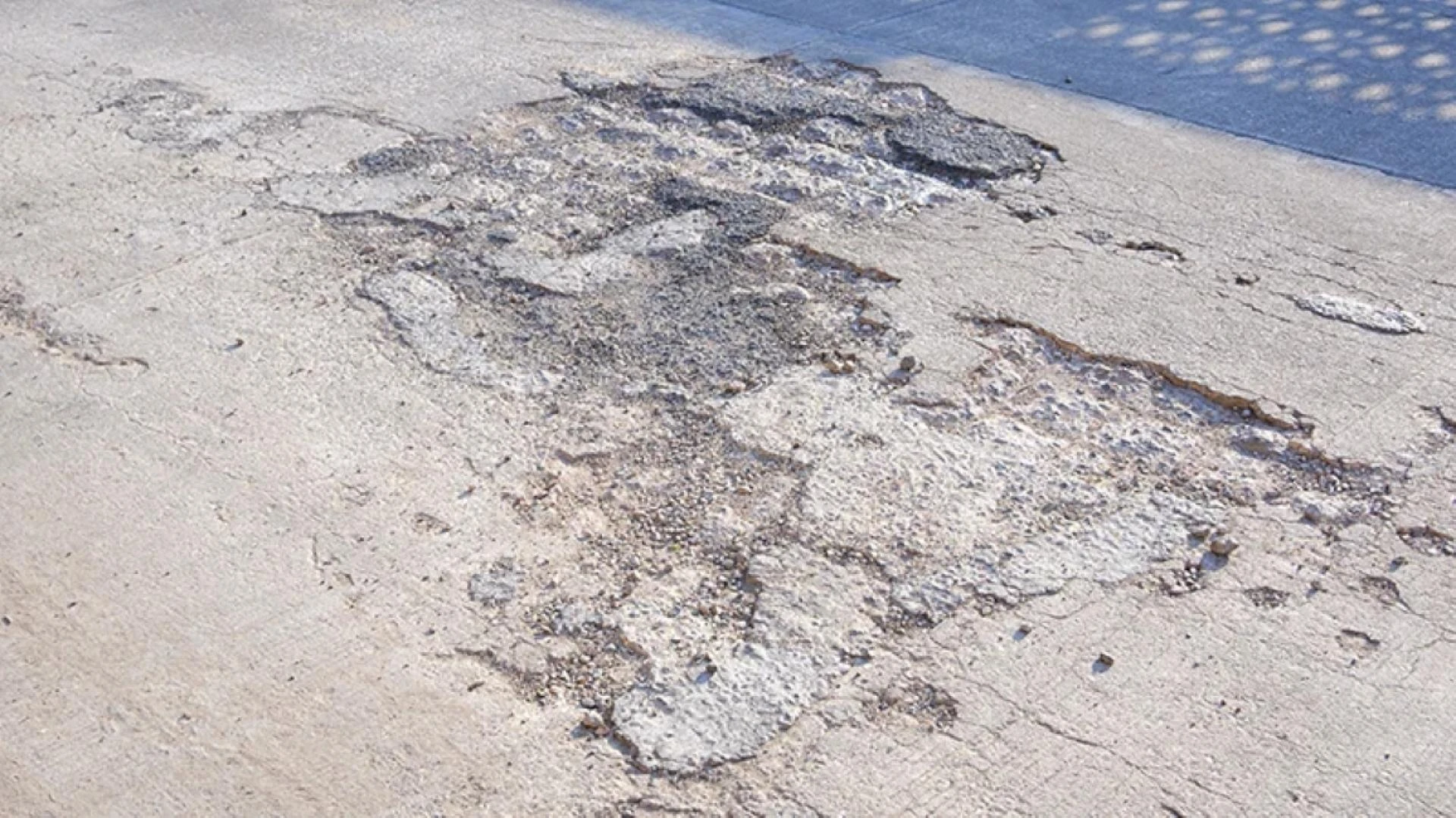
Sometimes, the effects of poor soil stability are visible after construction. Recognizing these signs early can help in taking corrective action.
Watch for:
- Cracks forming soon after installation
- Sections of the driveway sinking
- Water staying on the surface for long periods
- Edges becoming weak or broken
These signs often indicate that the soil was not properly prepared before construction.
Long-Term Benefits of Stable Soil
Investing time and effort in soil preparation provides long-term advantages. A stable base ensures that the driveway remains strong and functional for many years.
Key benefits include:
- Reduced maintenance and repair costs
- Better resistance to heavy vehicle loads
- Improved overall appearance
- Longer lifespan of the driveway
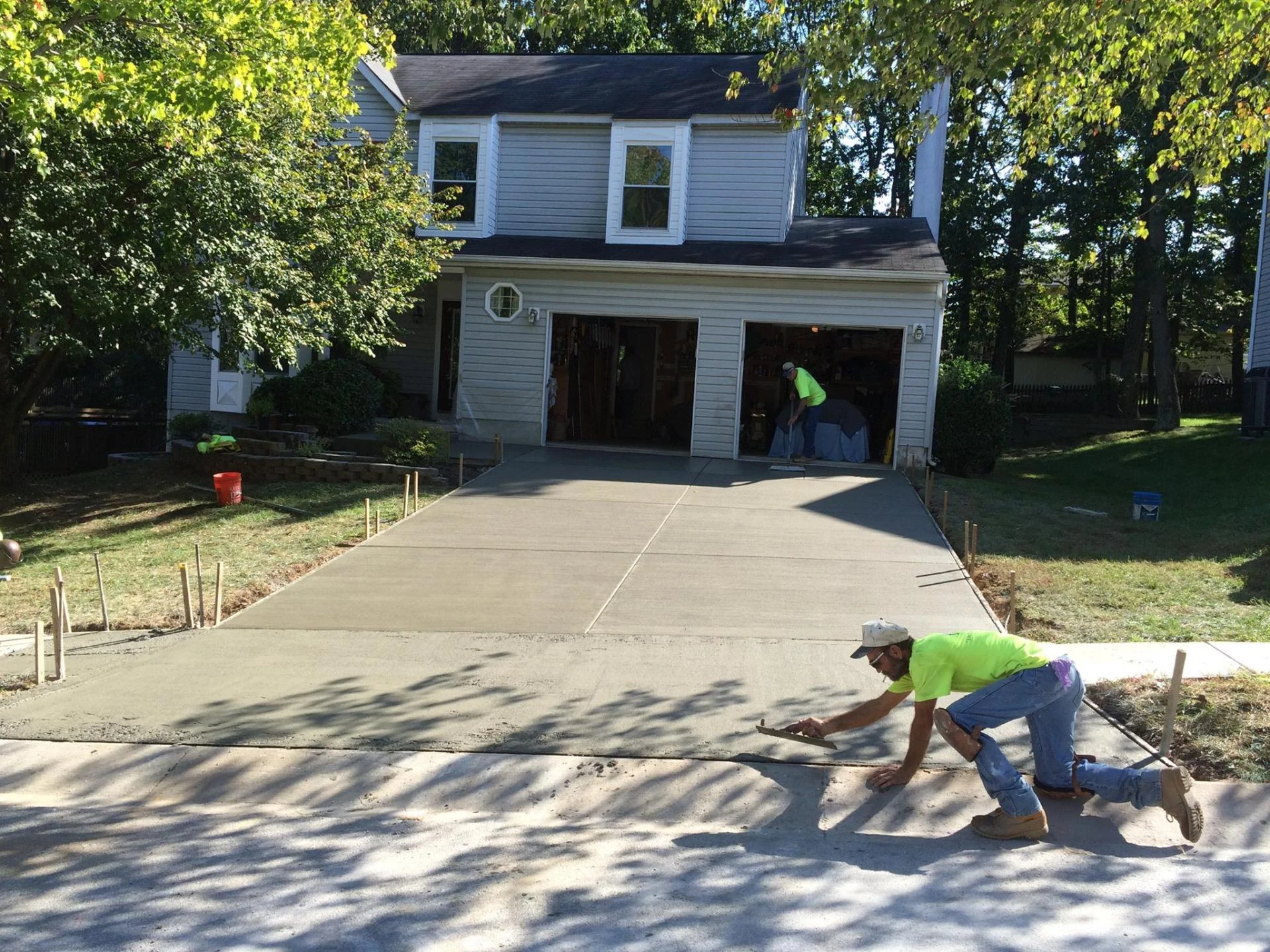
Working with experienced concrete driveway contractors helps ensure that these benefits are achieved through proper groundwork.
Final Thoughts
Soil stability is one of the most important factors in driveway construction, even though it is often overlooked. A strong and well-prepared base supports the concrete and prevents common issues like cracks and sinking. From soil testing and compaction to drainage and base layers, every step plays a vital role. By choosing skilled concrete driveway contractors in Troy, property owners can ensure their driveway is built on a solid foundation and designed to last for years.
























Sign in to leave a comment.