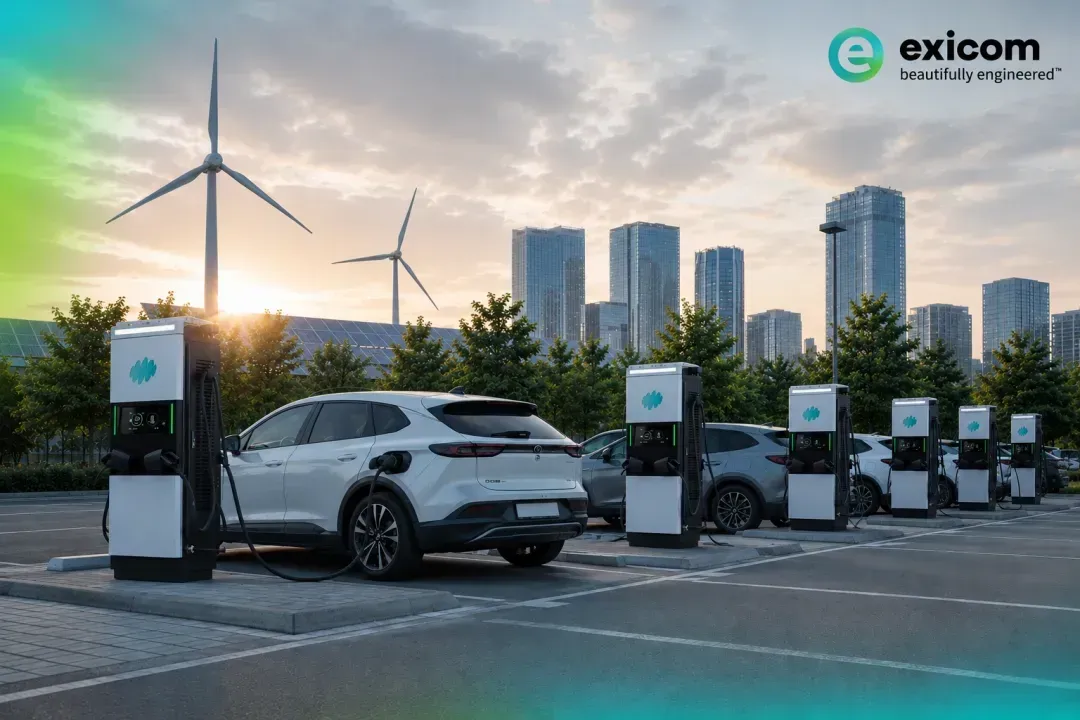

The electric vehicle (EV) revolution is charging ahead in India, bringing with it a wave of innovation and opportunity. As the country moves towards a greener future, the demand for efficient EV charging infrastructure has surged. With this rapid evolution comes a variety of business models that cater to diverse needs and preferences.
From franchises to independent charge point operators (CPOs), understanding these EV charging business models is crucial for anyone looking to tap into this burgeoning market. But which model will stand out as the most effective by 2026? Let's delve deep into the dynamics shaping India's EV landscape and explore how entrepreneurs can position themselves for success in an ever-changing environment.
Why EV Charging Business Models Are Evolving Rapidly in India
The rapid evolution of EV charging business models in India stems from several interconnected factors. Government initiatives aimed at promoting electric vehicles have created a robust policy environment, encouraging investments and infrastructure development.
Consumer demand is another driving force. As more individuals shift to electric mobility, the need for accessible and reliable charging solutions has skyrocketed. This shift not only influences existing players but also invites new entrants into the market.
Technological advancements are reshaping how charging stations operate. Innovations like fast chargers and smart grid technology enhance user experience and streamline operations.
Furthermore, environmental awareness among consumers pushes businesses to adopt sustainable practices. Companies that align with eco-friendly values gain a competitive edge in this burgeoning sector.
As these elements converge, they present both challenges and opportunities for stakeholders navigating India's dynamic EV landscape.
Types of EV Charging Business Models in India
India's EV charging landscape is diverse, featuring several business models that cater to different needs.
One prominent model is the public charging business model, where operators set up stations accessible to all EV users. This approach supports urban areas and highway networks, enhancing convenience for long-distance travel.
Another option is the EV charging franchise model. Here, businesses can open branded outlets under a recognized name. This offers brand support while allowing franchisees to tap into established marketing strategies.
The CPO (Charge Point Operator) business model in India focuses on managing and operating charging infrastructure directly. CPOs invest in equipment and software solutions, maintaining control over operations and user experience.
There are innovative collaborations with real estate developers or parking facilities using integrated solutions that combine multiple services at one location. These models provide added value beyond just charging electricity.
EV Charging Franchise vs Independent CPO Model
The choice between an EV charging franchise and the independent CPO model is pivotal for many entrepreneurs. Each offers unique advantages and challenges.
Franchise models often provide brand recognition, streamlined operations, and established customer bases. They come with support from the franchisor in marketing, training, and technology. This can make entry into the market smoother for newcomers.
On the other hand, independent CPOs maintain full control over their operations. They can tailor services to local needs without adhering to franchise restrictions. This flexibility allows them to innovate more freely but requires a deeper understanding of market dynamics.
Cost structure also varies significantly between these models. Franchisees typically face initial fees and ongoing royalties that can impact profitability. Independents may have higher upfront costs but greater potential for long-term gains without sharing profits.
Both paths suit different business philosophies; aligning your vision with one could shape your success in this evolving landscape.
What Determines Profitability in a Public Charging Business Model?
Profitability in a public charging business model hinges on several key factors. First, location plays a crucial role. High-traffic areas attract more customers and generate higher revenue.
Second, pricing strategies can significantly impact earnings. Competitive rates encourage usage while ensuring margins remain healthy.
Third, partnerships with local businesses or government initiatives enhance visibility and access. Collaborations can lead to increased footfall at charging stations.
Moreover, the deployment of advanced technology matters. Fast-charging stations appeal to time-sensitive drivers looking for convenience.
Operational efficiency is another determinant. Streamlined management and maintenance reduce costs over time.
Understanding user behaviour helps tailor services better. Knowing peak hours allows operators to optimize resources effectively for maximum returns.
Which EV Charging Business Model Works Best in 2026?
The EV charging landscape is set to transform by 2026, driven by technological advancements and consumer demand. Among various models, the public charging business model stands out for its accessibility and scalability.
Key players are likely to adopt a hybrid approach that combines both franchise and independent CPO strategies. This flexibility allows operators to adapt quickly to market needs while optimizing their reach.
Moreover, partnerships with retail chains or commercial hubs can enhance foot traffic at charging stations. Integrating value-added services like mobile apps for real-time availability can further boost user engagement.
As electric vehicle adoption accelerates, revenue generation will hinge on strategic location choices and pricing structures. The ability to offer competitive rates without sacrificing service quality will be crucial in attracting customers in this evolving marketplace.
Conclusion
The landscape of EV charging business models in India is dynamic and full of potential. As the market matures, stakeholders must remain agile to adapt to changing consumer needs and technological advancements.
Understanding the nuances between various models can shape strategic decisions for investors and entrepreneurs alike.
With a projected increase in electric vehicle adoption, choosing the right approach will be paramount for success.
Calculating profitability hinges on numerous factors such as location, infrastructure investment, and partnerships. Each model offers unique advantages that appeal to different segments of consumers.
Staying informed about industry trends will empower businesses to make choices that align with future demands. An evolving regulatory framework also plays a crucial role in shaping operational strategies moving forward.
As we advance toward 2026, collaboration among players within this ecosystem could unlock innovative solutions tailored for India's diverse market landscape.
FAQs
Q: What are the primary EV charging business models in India?
India has seen a variety of EV charging business models, including public charging networks, private home charging stations, and franchise-based operations. Each model has its unique advantages and challenges.
Q: How does the EV charging franchise model work?
The EV charging franchise model allows entrepreneurs to set up charge points under an established brand's umbrella. This provides benefits like brand recognition and technical support while sharing revenue with the franchisor.
Q: What is the CPO business model in India?
CPO stands for Charge Point Operator. In this model, companies own and operate their own network of chargers. They manage everything from installation to maintenance and can choose their pricing strategies based on market demand.
Q: What factors contribute to profitability in a public charging business model?
Key factors include location density, charger utilization rates, operational costs, government incentives, and customer convenience. Understanding local infrastructure needs can significantly enhance profitability.
Q: Which EV charging business model is expected to thrive by 2026?
While it's difficult to predict with certainty which specific model will dominate by 2026, trends suggest that hybrid approaches combining elements of both independent operators and franchises may offer flexibility needed for growth amidst changing regulations.
Q: Are there any government incentives for setting up EV chargers in India?
Yes! The Indian government offers various subsidies through schemes like FAME (Faster Adoption and Manufacturing of Electric Vehicles) aimed at promoting electric mobility solutions across urban areas.
These insights provide valuable context as stakeholders navigate this rapidly evolving landscape filled with opportunities—one that holds great promise not just for businesses but also for our planet’s future.

























Sign in to leave a comment.