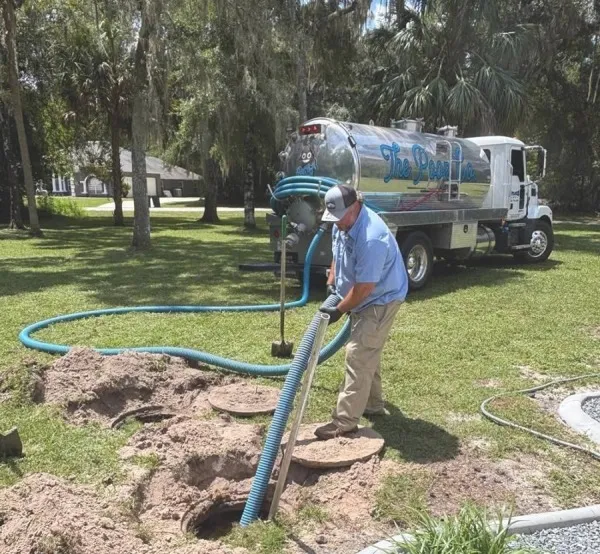

If you own a home with a septic system, regular maintenance is one of the most important parts of protecting your property. Many homeowners don't think about their septic tank until there is a problem, but waiting too long can lead to unpleasant odors, slow drains, sewage backups, and expensive repairs.
Finding the best septic pumping in Inglis, FL is an important step in keeping your septic system working properly. Routine pumping removes built-up solids before they create blockages or damage your system, helping you avoid unexpected issues.
What Is Septic Pumping?
A septic tank collects wastewater from your home's sinks, toilets, showers, and washing machines. Inside the tank, solid waste settles to the bottom while oils and grease float to the top. The liquid wastewater then flows into the drain field for natural filtration.
Over time, the solid waste continues to build up. Septic pumping removes these accumulated solids before they fill the tank and interfere with normal operation.
Without regular pumping, the excess waste can clog the drain field, leading to repairs that are much more expensive than routine maintenance.
Why Is Septic Pumping So Important?
Many septic problems can be prevented with regular pumping. Keeping your tank clean helps your entire system work efficiently.
Some of the biggest benefits include:
- Prevents sewage backups
- Reduces unpleasant odors
- Protects the drain field
- Improves system performance
- Extends the life of the septic tank
- Helps avoid costly emergency repairs
- Keeps wastewater flowing properly
Routine maintenance is much less expensive than replacing a damaged septic system.
How Often Should a Septic Tank Be Pumped?
Every property is different, so there isn't one schedule that works for everyone.
Several factors affect how often pumping is needed:
- Size of the septic tank
- Number of people living in the home
- Daily water usage
- Amount of solid waste entering the tank
- Garbage disposal usage
For many households, pumping every 3 to 5 years is recommended. Homes with larger families or higher water usage may require more frequent service.
A professional inspection can help determine the right maintenance schedule for your property.
Signs Your Septic Tank Needs Pumping
Your septic system usually gives warning signs before serious problems develop.
Watch for symptoms like:
Slow Drains
If sinks, tubs, or showers drain more slowly than normal, your septic tank may be getting full.
Bad Odors
Strong sewage smells around your yard or inside your home should never be ignored.
Standing Water
Water pooling around the drain field may indicate your septic system is struggling to process wastewater.
Gurgling Pipes
Strange noises coming from plumbing fixtures can be a sign that waste is not flowing properly.
Sewage Backup
One of the clearest signs is wastewater backing up into toilets or drains. This requires immediate attention.
What Happens During Septic Pumping?
Many homeowners are unsure about what happens during a pumping appointment.
The process typically includes:
- Locating and opening the septic tank.
- Inspecting the tank for visible damage.
- Pumping out accumulated sludge and floating waste.
- Checking the inlet and outlet baffles.
- Confirming the system is functioning properly.
- Closing and securing the tank.
Professional equipment removes waste safely without damaging your septic system.
Ways to Keep Your Septic System Healthy
Regular pumping is only one part of good septic maintenance.
You can also protect your system by following a few simple habits.
Use Water Wisely
Too much water entering the septic tank at once can reduce its efficiency. Spread out laundry loads and repair leaking faucets.
Avoid Flushing Problem Items
Never flush:
- Baby wipes
- Paper towels
- Feminine hygiene products
- Cotton swabs
- Diapers
- Cooking grease
Even products labeled as "flushable" can create problems.
Protect the Drain Field
Avoid driving or parking vehicles over the drain field. Heavy weight can damage underground pipes.
Keep large trees away from the system because roots may enter and block pipes.
Schedule Regular Inspections
Routine inspections can identify small issues before they become expensive repairs.
Common Septic Pumping Myths
Many homeowners hear misleading information about septic systems.
Myth: Additives Replace Pumping
No additive can remove the sludge that naturally builds up inside the tank. Pumping is still necessary.
Myth: If Everything Drains, the Tank Is Fine
Your system may appear to work normally even when the tank is nearly full. Waiting until problems appear often leads to higher repair costs.
Myth: Pumping Is Only Needed When Problems Occur
Routine maintenance is designed to prevent problems—not simply fix them after they happen.
Choosing the Best Septic Pumping in Inglis FL
Not every septic service company offers the same level of experience and reliability.
When selecting a provider, look for:
- Experienced technicians
- Timely service
- Proper equipment
- Honest recommendations
- Transparent pricing
- Knowledge of local septic systems
A trusted company will focus on maintaining your system instead of recommending unnecessary services.
A Helpful Fact for Homeowners
According to the U.S. Environmental Protection Agency (EPA), proper operation and regular maintenance are essential for keeping septic systems functioning correctly and helping prevent groundwater contamination. Routine inspections and pumping play an important role in extending the life of a septic system.
Keep Your Septic System Working Properly
Waiting until your septic system fails can lead to stressful repairs and unnecessary expenses. Routine septic pumping helps keep wastewater flowing properly, protects your drain field, and extends the life of your entire system.
For dependable best septic pumping in Inglis FL, Advanced Septic provides professional septic services designed to keep residential and commercial systems operating efficiently. Whether you need routine septic pumping, an inspection, or maintenance, timely service can help prevent costly problems and keep your septic system performing at its best.
Frequently Asked Questions
How do I know when my septic tank needs pumping?
Common signs include slow drains, unpleasant odors, standing water near the drain field, gurgling pipes, and sewage backups.
How long does septic pumping take?
Most septic pumping appointments take between 30 minutes and 1 hour, depending on the size and condition of the tank.
Can I pump my septic tank myself?
Professional equipment is required to remove waste safely and inspect the system properly. Septic pumping should always be performed by trained technicians.
Does regular pumping help prevent expensive repairs?
Yes. Routine pumping removes built-up sludge before it damages the septic tank or drain field, helping reduce the risk of costly repairs.
What should never go into a septic system?
Avoid flushing wipes, grease, diapers, paper towels, feminine hygiene products, chemicals, and other non-biodegradable materials, as they can damage the system or cause blockages.




























Sign in to leave a comment.