

As trends in personal grooming and aesthetics continue to evolve, more men in Nottingham are turning to beard transplants as a solution for achieving their desired facial hair. Whether it’s due to genetics, hormonal factors, or previous grooming habits, many find that their beards may not grow as thick or as full as they would like. A beard transplant nottingham not only offers a way to enhance facial hair but also boosts confidence and self-image. In this comprehensive guide, we will explore everything you need to know about beard transplants, including the procedure, benefits, considerations, and aftercare.
Understanding Beard Transplants
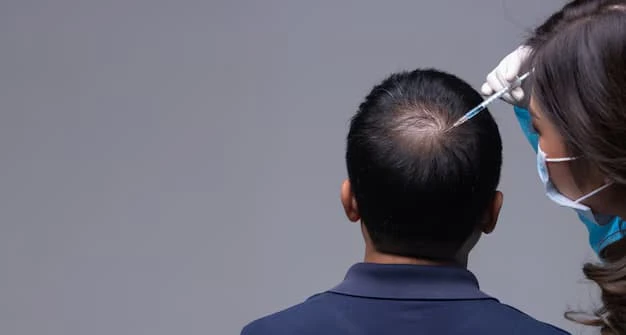
A beard transplant is a surgical procedure designed to restore hair growth in areas of the face where facial hair is thin or absent. The process involves the extraction of hair follicles from the donor area—usually the back of the head—where hair growth is typically denser. These follicles are then meticulously implanted into the beard area, promoting natural hair growth over time.
For many individuals, the desire for a fuller beard stems from societal norms and personal preferences that associate masculinity with facial hair. In Nottingham, where personal grooming is increasingly prioritized, a beard transplant can serve as a viable solution for those looking to enhance their appearance.
The Procedure: What to Expect
Consultation
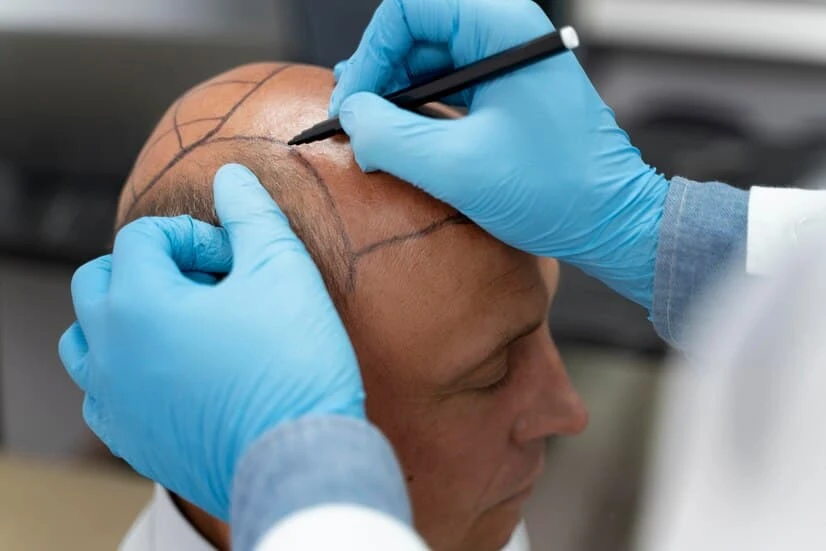
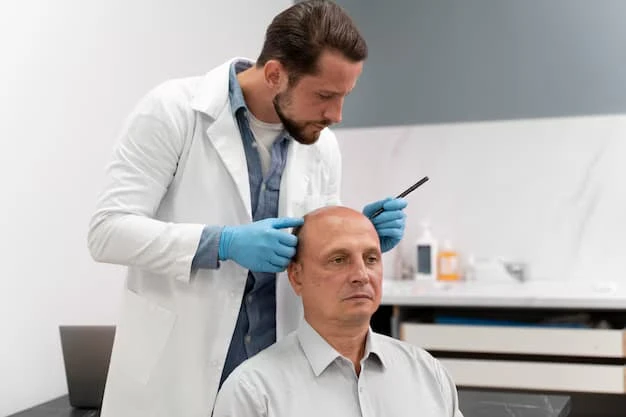
Before undergoing a beard transplant, it’s essential to have an in-depth consultation with a qualified practitioner. This initial meeting provides an opportunity for individuals to discuss their goals, review their medical history, and determine whether they are suitable candidates for the procedure. During this consultation, practitioners will assess the beard area and donor site to ensure that there is adequate hair density for a successful transplant.
The Transplant Procedure
Once the consultation is complete and both the practitioner and client agree to proceed, the transplant procedure can begin. The two primary methods employed in beard transplants are Follicular Unit Extraction (FUE) and Follicular Unit Transplantation (FUT).
- Follicular Unit Extraction (FUE): This technique involves the extraction of individual hair follicles from the donor area using a specialized tool. Each follicle is then implanted into the beard area, ensuring a natural growth pattern. FUE is minimally invasive and doesn’t require stitches, leading to a quicker recovery time.
- Follicular Unit Transplantation (FUT): In contrast, FUT involves removing a strip of skin from the donor area, which contains hair follicles. The strip is then dissected into individual follicular units before being implanted into the beard area. While this method can yield a larger number of grafts in one session, it may result in a linear scar at the donor site.
Both methods can achieve excellent results, and the choice often depends on the individual’s preferences and the practitioner’s recommendations.
Duration and Recovery
The duration of a beard transplant can vary depending on the number of grafts being transferred, but most procedures take between four to eight hours. Following the procedure, clients can generally return home the same day.
Initial recovery may involve mild swelling, redness, and discomfort in the transplanted area, which typically subsides within a few days. Practitioners will provide specific aftercare instructions, including guidance on how to care for the transplanted area and when to resume normal activities.
Benefits of Beard Transplants
The decision to undergo a beard transplant can offer several benefits for individuals looking to enhance their facial hair.
Improved Appearance and Confidence
One of the most significant advantages of a beard transplant is the improvement in appearance. A fuller, well-defined beard can enhance facial features and contribute to a more masculine look. This transformation often leads to increased self-esteem and confidence as individuals feel more satisfied with their appearance.
Permanent Solution
Unlike temporary solutions such as beard oils, powders, or transplants that require ongoing maintenance, a beard transplant offers a permanent solution. Once the transplanted hair follicles establish themselves, they will continue to grow naturally, allowing clients to enjoy their new beard without the need for frequent touch-ups.
Customization
Beard transplants allow for a high level of customization. During the consultation process, clients can discuss their desired beard style, including length, thickness, and shape. Practitioners can tailor the procedure to achieve the specific look that aligns with the client’s personal aesthetic.
Considerations Before Undergoing a Beard Transplant
While beard transplants offer numerous benefits, there are important considerations to keep in mind.
Cost
The financial aspect of a beard transplant can vary significantly depending on the chosen method, the number of grafts required, and the practitioner’s expertise. It is crucial for individuals to do thorough research and budget accordingly, as this procedure can represent a significant investment in personal grooming.
Realistic Expectations
Setting realistic expectations is vital for anyone considering a beard transplant. While many individuals achieve satisfactory results, the success of the procedure can depend on various factors, including the quality of the donor hair and the individual’s healing process. Open communication with the practitioner can help ensure that clients understand what to expect post-procedure.
Potential Risks
As with any surgical procedure, a beard transplant carries potential risks. These may include infection, scarring, and the possibility of the hair not growing as anticipated. Clients should discuss these risks during their consultation and ensure they fully comprehend the implications before proceeding.
Aftercare: Ensuring Successful Growth
Proper aftercare is essential for the success of a beard transplant. Following the procedure, practitioners typically provide clients with specific guidelines to follow during the recovery period.
Immediate Care
In the initial days following the transplant, clients are advised to avoid touching or scratching the transplanted area. Keeping the area clean and avoiding direct sunlight can help minimize the risk of infection and promote healing. Practitioners may recommend using specific products to soothe the skin and facilitate recovery.
Long-Term Maintenance
Once the initial recovery phase is complete, clients can begin to treat their new beard as they would with natural hair. Regular maintenance, including washing, conditioning, and grooming, is essential for ensuring that the transplanted hair integrates well with the existing facial hair.
Conclusion
In summary, beard transplants offer a viable solution for men in Nottingham looking to enhance their facial hair and boost their self-esteem. Through techniques like FUE and FUT, individuals can achieve a fuller, more defined beard tailored to their personal preferences. While the procedure comes with considerations such as cost and potential risks, the long-term benefits often outweigh these factors.
For those ready to explore the transformative potential of a beard transplant, Este Medical Group - Nottingham is dedicated to providing clients with expert care and personalized treatment plans. Contact us today to schedule your consultation and take the first step toward achieving the beard of your dreams!




























Sign in to leave a comment.