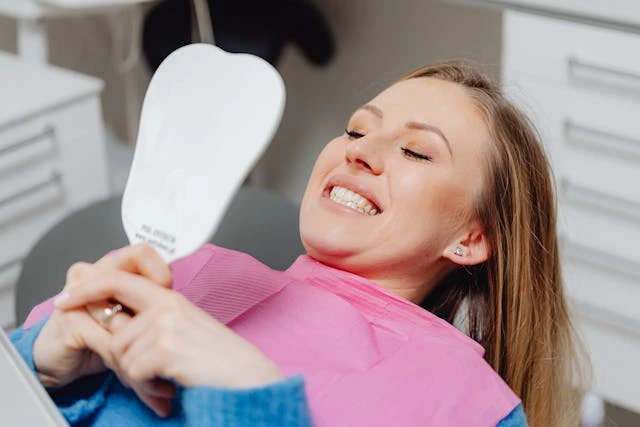

A chipped tooth is a common dental issue that can occur due to accidents, biting on hard objects, or underlying dental conditions. While some chips are minor and barely noticeable, others may cause pain, sensitivity, or even further damage if left untreated. In this article, we’ll explore the causes, symptoms, treatment options, and prevention methods for a chipped tooth.
What Causes a Chipped Tooth?
A chipped tooth can result from various factors, including:
- Trauma or Injury – A fall, sports accident, or physical impact can cause a tooth to chip.
- Biting Hard Objects – Chewing on ice, hard candy, or pens can weaken enamel and lead to chipping.
- Tooth Decay – Cavities can weaken the structure of a tooth, making it more prone to chipping.
- Bruxism (Teeth Grinding) – Constant grinding or clenching of teeth wears down enamel, increasing the risk of chips.
- Weak Enamel – Poor oral hygiene, acid reflux, or excessive consumption of acidic foods can weaken tooth enamel.
What Does a Piece of Chipped Tooth Look Like?
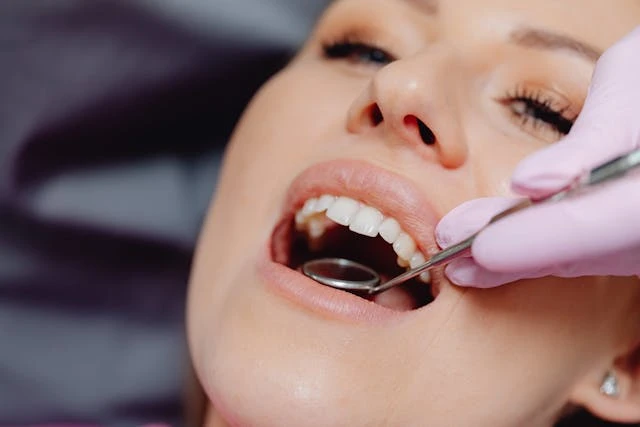
A piece of a chipped tooth can vary in appearance depending on the severity of the damage:
- Small chips may appear as minor surface cracks or rough edges.
- Larger chips can result in a noticeable gap or missing portion of the tooth.
- If the chip exposes the inner dentin, the affected area may appear yellowish or sensitive.
- In severe cases, a chipped tooth may cause bleeding, pain, or discomfort when eating or drinking.
To know more how a piece of chipped tooth look like, read this.
Can a Small Chipped Tooth Grow Back?
Teeth do not have the ability to regenerate or grow back once damaged. Unlike bones, enamel lacks living cells, which means a chipped tooth will not naturally repair itself. However, minor chips may not require treatment if they do not cause pain or structural issues. Dentists can recommend cosmetic or restorative procedures such as bonding, veneers, or crowns to restore the tooth’s appearance and function. To know more about small chipped tooth can grow back or not, read this.
Symptoms of a Chipped Tooth
- Sharp or rough edges on the tooth
- Sensitivity to hot, cold, or sweet foods
- Pain while chewing or biting
- Visible damage or missing tooth structure
- Gum irritation around the affected tooth
Treatment Options for a Chipped Tooth
The treatment for a chipped tooth depends on the severity of the damage:
1. Dental Bonding
For small chips, a dentist can use a composite resin material to fill and reshape the tooth. This quick and painless procedure restores the natural look of the tooth.
2. Veneers
For front teeth with noticeable chips, porcelain veneers can be used to cover the damage and improve aesthetics. Veneers are thin shells that are bonded to the surface of the tooth.
3. Dental Crowns
For larger chips that compromise the tooth’s strength, a dental crown may be placed over the tooth to protect it and restore its function.
4. Root Canal Treatment
If the chip is deep and exposes the tooth’s nerve, a root canal may be necessary to remove the damaged pulp and prevent infection. A crown is usually placed after the procedure.
5. Smoothing and Polishing
For minor chips that do not affect the tooth’s structure, a dentist may simply smooth and polish the area to prevent irritation.
How to Prevent a Chipped Tooth
- Avoid biting hard foods or non-food objects.
- Wear a mouthguard while playing sports or if you grind your teeth at night.
- Maintain good oral hygiene to prevent decay and enamel weakening.
- Visit your dentist regularly for check-ups and early detection of dental issues.
FAQs
1. Can a chipped tooth heal on its own?
No, a chipped tooth cannot heal or grow back on its own. However, minor chips may not require treatment if they do not cause discomfort.
2. What should I do if I chip my tooth?
Rinse your mouth with warm water, avoid chewing on the affected side, and visit a dentist as soon as possible for evaluation and treatment.
3. How much does it cost to fix a chipped tooth?
The cost varies depending on the treatment needed. Bonding can cost between $100-$400, while veneers and crowns may range from $500-$2,500 per tooth.
4. Can I eat normally with a chipped tooth?
If the chip is minor, you may still be able to eat normally. However, avoid hard, crunchy, or sticky foods until you see a dentist.
5. Is a chipped tooth a dental emergency?
A minor chip may not be urgent, but if you experience pain, sensitivity, or significant damage, seek immediate dental care.























Sign in to leave a comment.