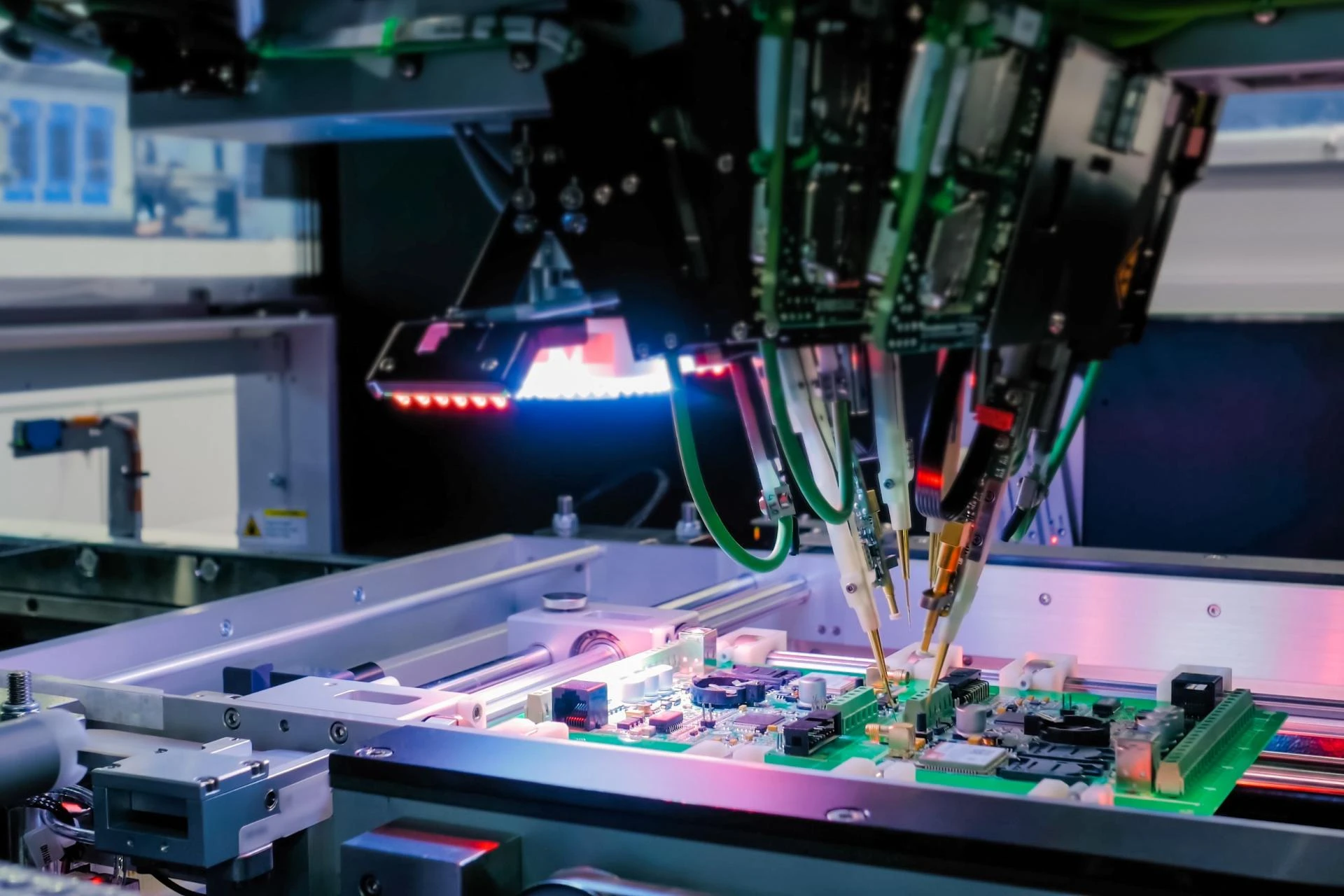

In the era of rapid technological advancement, electronic assemblies have become the backbone of numerous industries. From consumer electronics to medical devices, automotive systems to aerospace technology, these assemblies are integral to modern-day functionality and innovation. But what exactly are these assemblies, and why are they so crucial?
Defining Electronic Assemblies
They refer to the construction of electronic circuits by connecting various electronic components to printed circuit boards (PCBs). These components include resistors, capacitors, transistors, and integrated circuits (ICs), among others. The process involves meticulous design, precise placement, and secure attachment of these components to ensure the final product operates as intended.
Importance in Various Industries
The significance of these assemblies cannot be overstated. They are fundamental to the operation of countless devices and systems that we rely on daily. In the consumer electronics industry, for example, these assemblies are found in smartphones, laptops, and home appliances. In the medical field, they are essential for diagnostic and therapeutic equipment, while in the automotive sector, these assemblies control everything from engine management to infotainment systems.
Types of Electronic Assemblies
They come in various forms, each serving specific functions and applications. Understanding these different types is crucial for selecting the right assembly for a given project.
PCB Assemblies (PCBAs)
Printed Circuit Board Assemblies (PCBAs) are perhaps the most common type of electronic assembly. They involve mounting electronic components onto a PCB, which provides a platform for electrical connections. PCBAs are used in virtually all electronic devices, offering a compact and reliable solution for circuit integration.
Wire Harnesses
Wire harnesses are assemblies of wires or cables that transmit electrical power and signals within a device or system. They are designed to streamline complex wiring systems, improving organization and reducing installation time. Wire harnesses are widely used in automotive, aerospace, and industrial applications where multiple connections are required.
Electro-Mechanical Assemblies
Electro-mechanical assemblies combine electrical and mechanical components to perform specific functions. These assemblies can include switches, relays, motors, and connectors, among others. They are critical in applications where both electrical control and mechanical movement are necessary, such as in robotics, automation systems, and industrial machinery.
The Assembly Process
Creating high-quality assemblies involves a multi-step process that requires precision and expertise. Let\'s delve into the key stages:
- Design
The assembly process begins with the design phase, where engineers develop schematics and layout plans for the electronic circuit. Design considerations include component placement, signal integrity, thermal management, and manufacturability. Advanced software tools are used to create detailed design files that guide the subsequent assembly stages.
- Component Sourcing
Once the design is finalized, the next step is sourcing the necessary components. This involves procuring high-quality parts from reliable suppliers. Ensuring the availability of components and managing supply chain logistics are critical to maintaining production schedules and quality standards.
- PCB Fabrication
The PCB itself is manufactured based on the design specifications. This involves creating the board\'s layers, etching the circuit patterns, and applying protective coatings. PCB fabrication must adhere to strict tolerances to ensure proper component alignment and electrical performance.
- Component Placement
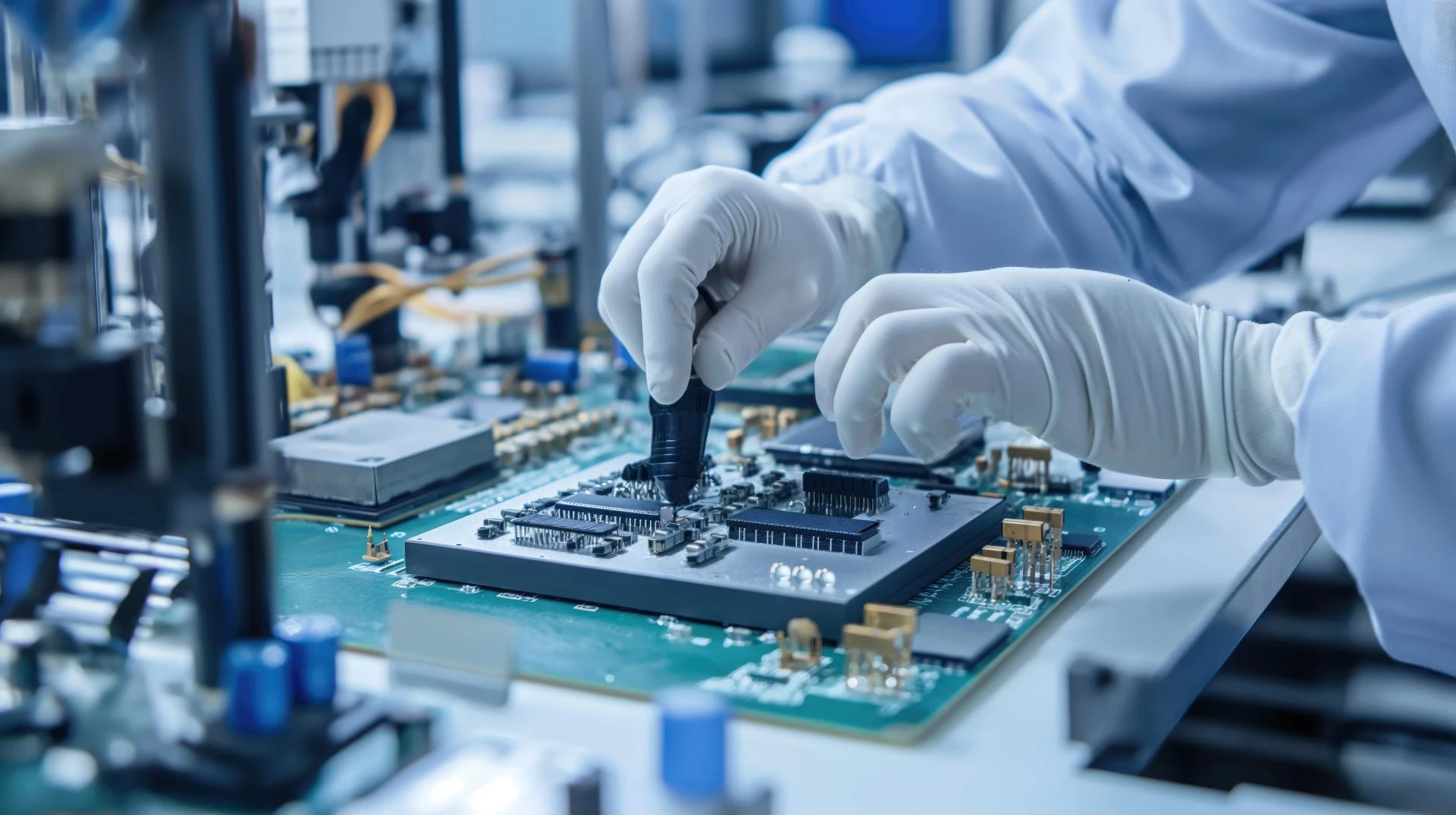
With the PCB ready, components are placed onto the board using automated equipment. Surface Mount Technology (SMT) machines are commonly used for this purpose, accurately positioning and soldering components onto the board. For more complex assemblies, additional manual placement may be required.
- Soldering
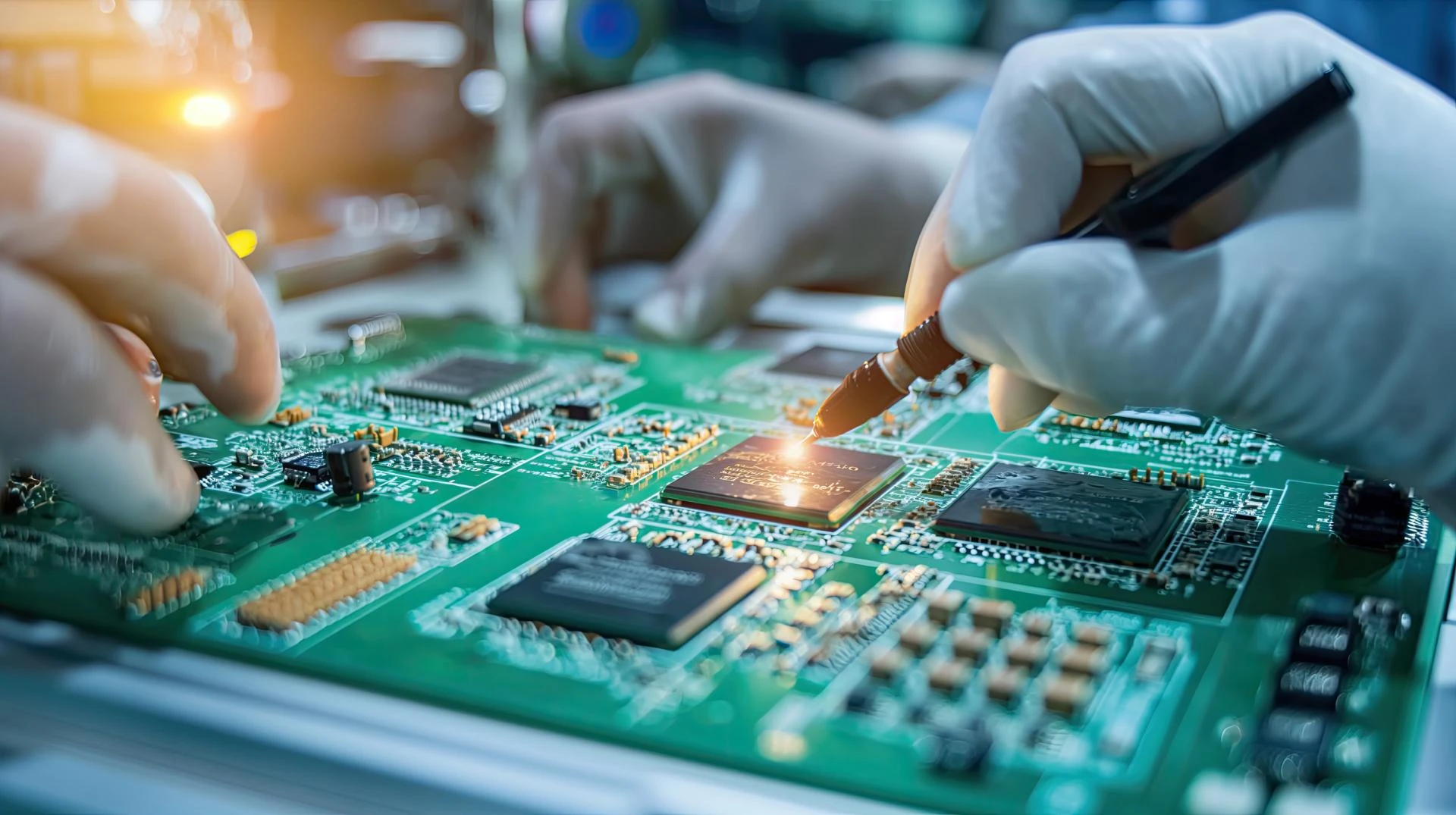
Soldering is the process of electrically and mechanically bonding the components to the PCB. This can be done using various techniques, including reflow soldering for SMT components and wave soldering for through-hole components. The quality of solder joints is crucial for the assembly\'s overall reliability.
- Testing and Quality Control
Thorough testing and quality control are essential to ensure the assembly functions as intended. This includes inspecting solder joints, verifying component placement, and conducting functional tests. Automated Optical Inspection (AOI) and X-ray inspection are commonly used to detect defects and ensure compliance with design specifications.
- Final Assembly and Packaging
The final stage involves assembling the electronic assembly into its enclosure or housing, if applicable. This may include additional wiring, mechanical assembly, and final inspections. The completed assemblies are then packaged and prepared for shipment to customers.
Final Words
Electronic assemblies are the building blocks of modern technology, enabling the functionality and innovation we see across various industries. From PCBAs to wire harnesses and electro-mechanical assemblies, understanding the different types and the assembly process is crucial for delivering high-quality products.
In summary, the key takeaways include:
- These assemblies are essential for the operation of various electronic devices and systems.
- Different types of assemblies, such as PCBAs, wire harnesses, and electro-mechanical assemblies, serve specific functions.
- The assembly process involves multiple stages, including design, component sourcing, PCB fabrication, component placement, soldering, testing, and final assembly.
High-quality electronic assemblies are vital for ensuring reliable and efficient performance in today\'s technology-driven world. By understanding the intricacies of these assemblies, businesses and professionals can make informed decisions and contribute to the advancement of technology.

























Sign in to leave a comment.