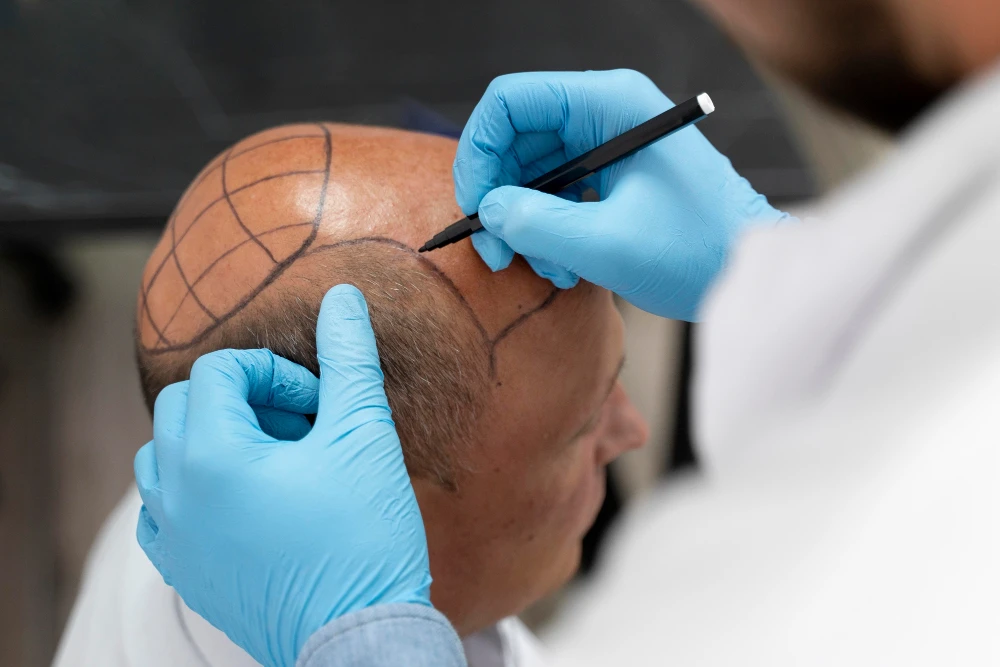

Hair loss can be a significant source of distress, impacting self-confidence and appearance. For many, the receding hairline or thinning crown becomes more than just a cosmetic concern; it's an emotional battle. Fortunately, advancements in medical science have made hair transplantation a highly effective and natural-looking solution, offering a permanent way to restore density and reclaim a youthful hairline.
What is Hair Transplant?
Hair transplant is a surgical procedure that involves moving hair follicles from a donor area (typically the back or sides of the scalp, where hair is resistant to balding) to the thinning or bald areas (recipient area). The transplanted hair continues to grow naturally, just like the hair from the donor site, because it retains its genetic characteristics.
The Two Primary Techniques: FUE vs. FUT
Currently, two main techniques dominate the field of hair transplantation, each with its own advantages:
- Follicular Unit Extraction (FUE):
- How it works: Individual hair follicles are extracted directly from the donor area using a micro-punch tool. These tiny grafts are then meticulously implanted into the recipient area.
- Advantages: Minimally invasive, leaves no linear scar (only tiny, almost invisible dots), faster healing time, and less post-operative discomfort. It's ideal for those who prefer to wear their hair short or have limited donor hair.
- Disadvantages: Can be more time-consuming for large sessions, and a greater number of grafts might require multiple sessions.
- Follicular Unit Transplantation (FUT) / Strip Method:
- How it works: A thin strip of hair-bearing skin is surgically removed from the donor area. The follicular units are then carefully dissected from this strip under a microscope. These units are then transplanted to the balding areas.
- Advantages: Allows for the transplantation of a large number of grafts in a single session, often making it suitable for extensive baldness. Generally, it can be more cost-effective per graft for very large sessions.
- Disadvantages: Leaves a linear scar at the donor site, which might be visible if hair is worn very short. Recovery time can be slightly longer than FUE.
Many clinics also offer advanced variations like Direct Hair Implantation (DHI), which uses a specialized implanter pen for direct extraction and implantation, offering precise control over angle, depth, and direction for very natural results.
Who is a Good Candidate for Hair Transplant?
Ideal candidates for hair transplant typically include:
- Men with male pattern baldness.
- Women with thinning hair (though patterns differ).
- Individuals who have lost hair due to burns or scalp injuries.
- Those with sufficient healthy donor hair.
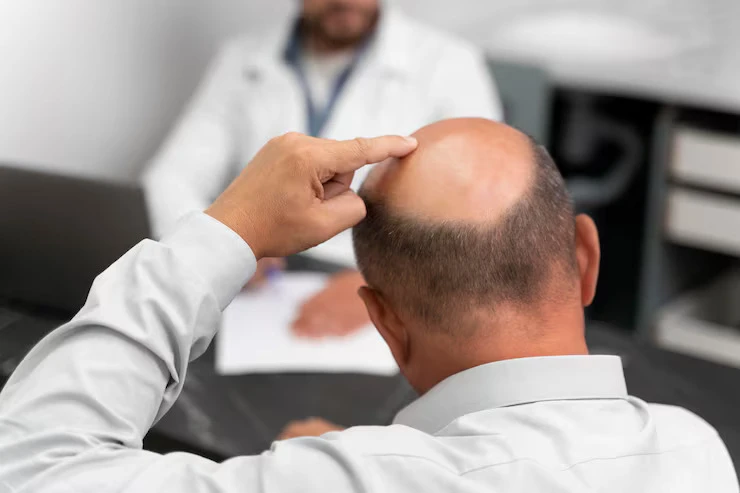
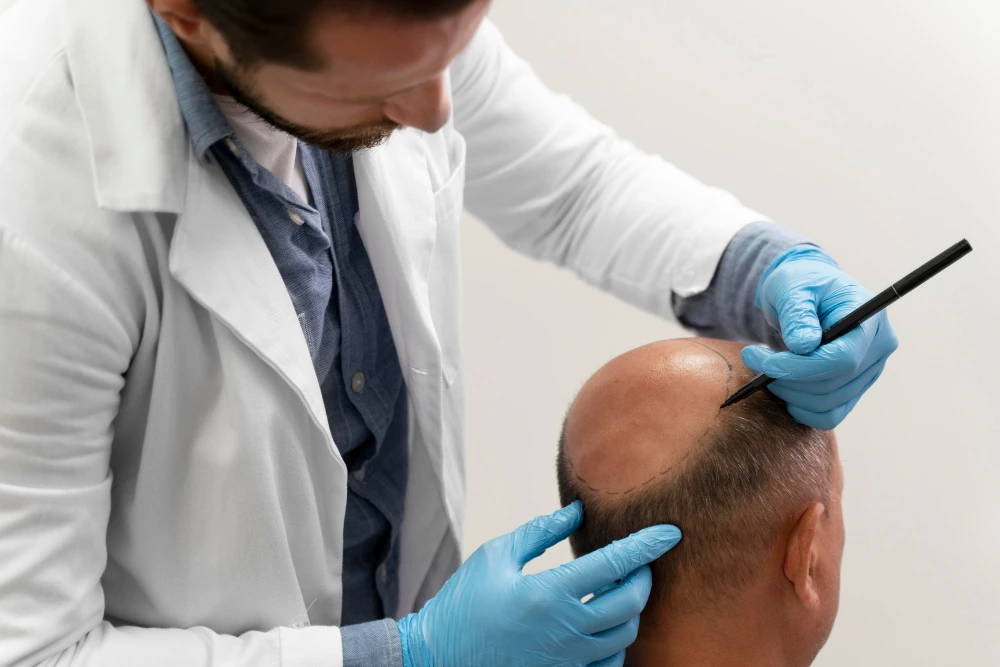
A thorough consultation with a qualified hair transplant surgeon is essential to determine if you are a suitable candidate and which technique is best for your specific needs and hair loss pattern.
What to Expect During the Procedure and Recovery
- Consultation: This initial step involves assessing your hair loss, donor area, and discussing your expectations. The surgeon will outline the best approach.
- Procedure Day: The procedure is typically performed under local anesthesia. You'll be awake but comfortable. Depending on the number of grafts, it can take several hours.
- Post-Procedure: You'll receive detailed aftercare instructions. Mild swelling and scabbing are normal and typically subside within a week or two.
- Initial Shedding: It's common for the transplanted hairs to shed within a few weeks. This is a normal part of the process, and new, permanent hair growth will begin.
- New Growth: Visible growth usually starts around 3-4 months, with significant improvement seen at 6-9 months. Full results are generally visible within 12-18 months.
Factors Affecting Hair Transplant Cost
The hair transplant cost in Delhi can vary significantly based on several factors:
- Number of Grafts: This is the primary determinant. More grafts mean higher cost.
- Technique Used: FUE and DHI are generally more expensive per graft than FUT due to their intricate nature and time involved.
- Clinic Reputation and Surgeon's Experience: Highly experienced surgeons and reputable clinics often command higher fees.
- Location: While we are talking about Delhi, even within the city, prices can vary between different areas and facilities.
- Included Services: Some clinics include post-operative medications, PRP sessions, or follow-up consultations in their package, while others charge extra.
It's crucial to have a clear understanding of the complete cost breakdown during your consultation to avoid any surprises. While cost is a factor, prioritizing the surgeon's expertise and the clinic's reputation is paramount for achieving successful and natural-looking results.
Embracing a New Chapter
A hair transplant is more than just a surgical procedure; it's an investment in your confidence and a step towards reclaiming your desired appearance. With the advanced techniques and skilled surgeons available, a fuller, more youthful head of hair is an achievable reality for many. If you're considering this life-changing procedure, research thoroughly, consult with experts, and embark on a journey towards renewed self-assurance.





























Sign in to leave a comment.