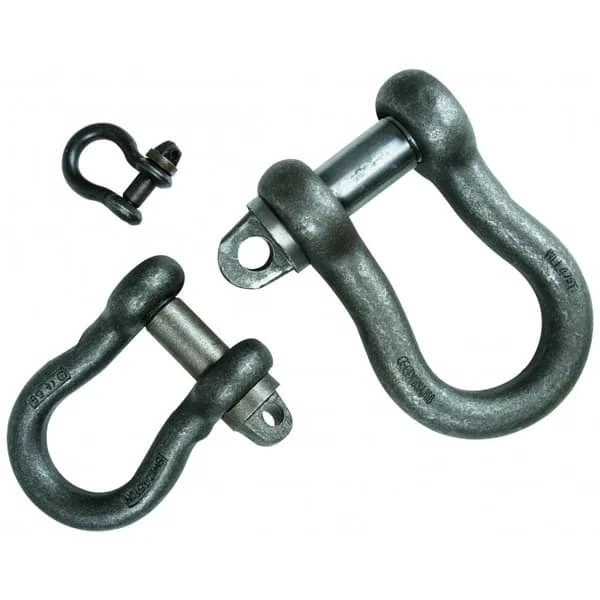

In the world of heavy lifting and rigging, lifting shackle play a crucial role in ensuring safe and efficient operations. These simple yet essential tools are designed to connect lifting equipment, such as slings and chains, to loads, providing the necessary strength and security to prevent accidents during hoisting tasks. Understanding the various types, applications, and safety considerations related to lifting shackles is vital for anyone involved in lifting operations. This article delves into the intricacies of lifting shackles, offering insights into their design, usage, and best practices for safe operations.
Understanding Lifting Shackles
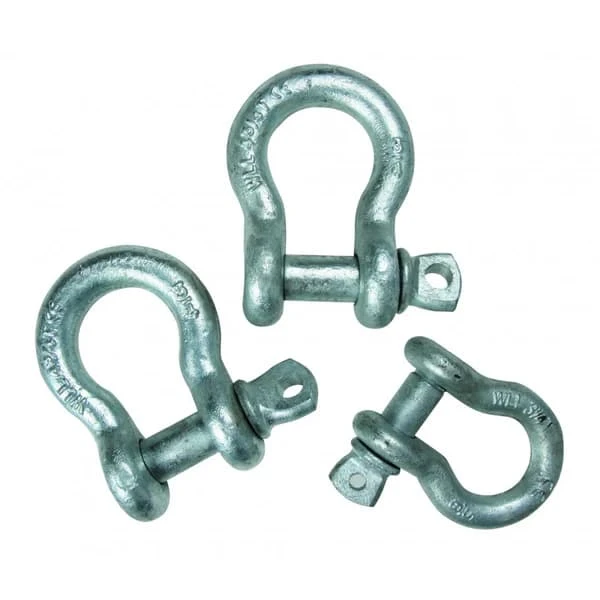
Lifting shackles are metal fasteners that are used to connect lifting devices to a load. Typically made from high-strength steel, shackles come in various shapes and sizes, allowing them to accommodate different types of lifting equipment and loads. The most common types of lifting shackles include the bow shackle, D-shackle, and screw pin shackle. Each type has its unique features and advantages, making them suitable for specific lifting tasks.
The bow shackle, characterized by its rounded shape, provides a wider throat for attaching multiple slings or chains, making it an ideal choice for complex rigging setups. On the other hand, the D-shackle is more compact and is often used for single-point connections. Screw pin shackles feature a removable pin that allows for easy attachment and detachment, while safety bolt shackles come with a locking mechanism to prevent accidental opening during lifting operations.
Applications of Lifting Shackles
Lifting shackles are versatile tools used across various industries, including construction, maritime, mining, and manufacturing. In construction, they are commonly employed to lift heavy materials, such as steel beams and concrete blocks, ensuring that operations proceed smoothly and safely. In maritime settings, shackles are essential for securing loads to cranes and hoists, facilitating the loading and unloading of cargo from ships and barges.
Moreover, lifting shackles play a significant role in the mining industry, where they are used to lift and transport heavy equipment and materials, including ore and machinery. In manufacturing, shackles are often employed in assembly lines to move products from one station to another, highlighting their importance in streamlining production processes.
Safety Considerations When Using Lifting Shackles
Safety is paramount when it comes to lifting operations, and understanding the proper use of lifting shackles is essential to mitigate risks. First and foremost, choosing the right type of shackle for the job is crucial. Each shackle comes with a specified load limit or working load limit (WLL), which indicates the maximum weight it can safely handle. Exceeding this limit can lead to catastrophic failures, resulting in injuries or fatalities.
Regular inspections of lifting shackles are also critical to ensure their integrity and functionality. Operators should check for signs of wear, deformation, or any other damage that could compromise the shackle's performance. Any shackle that appears compromised should be taken out of service immediately and replaced to maintain safety standards.
Furthermore, it’s essential to ensure proper rigging techniques are employed when using shackles. This includes avoiding shock loading, which can occur when loads are suddenly released or dropped, placing undue stress on the shackle. Operators should also be cautious about the angle at which the shackle is loaded; ideally, shackles should be used at a vertical angle to distribute the load evenly and reduce the risk of failure.
The Importance of Proper Training
To ensure safe lifting operations, training is vital for personnel involved in the use of lifting shackles. Operators should be well-versed in the various types of shackles, their applications, and the best practices for their use. Training programs should cover topics such as load calculations, rigging techniques, and safety protocols, ensuring that workers are equipped with the knowledge and skills necessary to perform their tasks safely.
Moreover, ongoing training sessions can help reinforce safety practices and keep personnel updated on the latest regulations and standards in the lifting industry. By prioritizing proper training, employers can foster a culture of safety within their organizations, ultimately preventing accidents and enhancing operational efficiency.
Innovations in Lifting Shackle Technology
As technology advances, so too does the design and functionality of lifting shackles. Modern innovations have led to the development of smart shackles equipped with sensors that provide real-time data on load weights and stress levels. These smart shackles can communicate with mobile devices or control systems, allowing operators to monitor lifting operations remotely.
This technological advancement not only enhances safety by providing valuable insights into load conditions but also optimizes efficiency by helping operators make informed decisions during lifting tasks. Additionally, the integration of durable materials and coatings has improved the longevity and resistance of shackles to environmental factors, such as corrosion and wear, further ensuring their reliability in challenging conditions.
Conclusion
In conclusion, lifting shackles are indispensable tools in the realm of heavy lifting and rigging. Understanding their various types, applications, and safety considerations is essential for ensuring safe and efficient operations. By prioritizing proper training, regular inspections, and staying updated on technological advancements, organizations can significantly reduce the risks associated with lifting operations.
For those seeking high-quality lifting shackles and other lifting equipment, the UK Lifting Store offers a comprehensive selection designed to meet industry standards. Invest in safety and efficiency today—visit the UK Lifting Store and discover the best solutions for your lifting needs!

























Sign in to leave a comment.