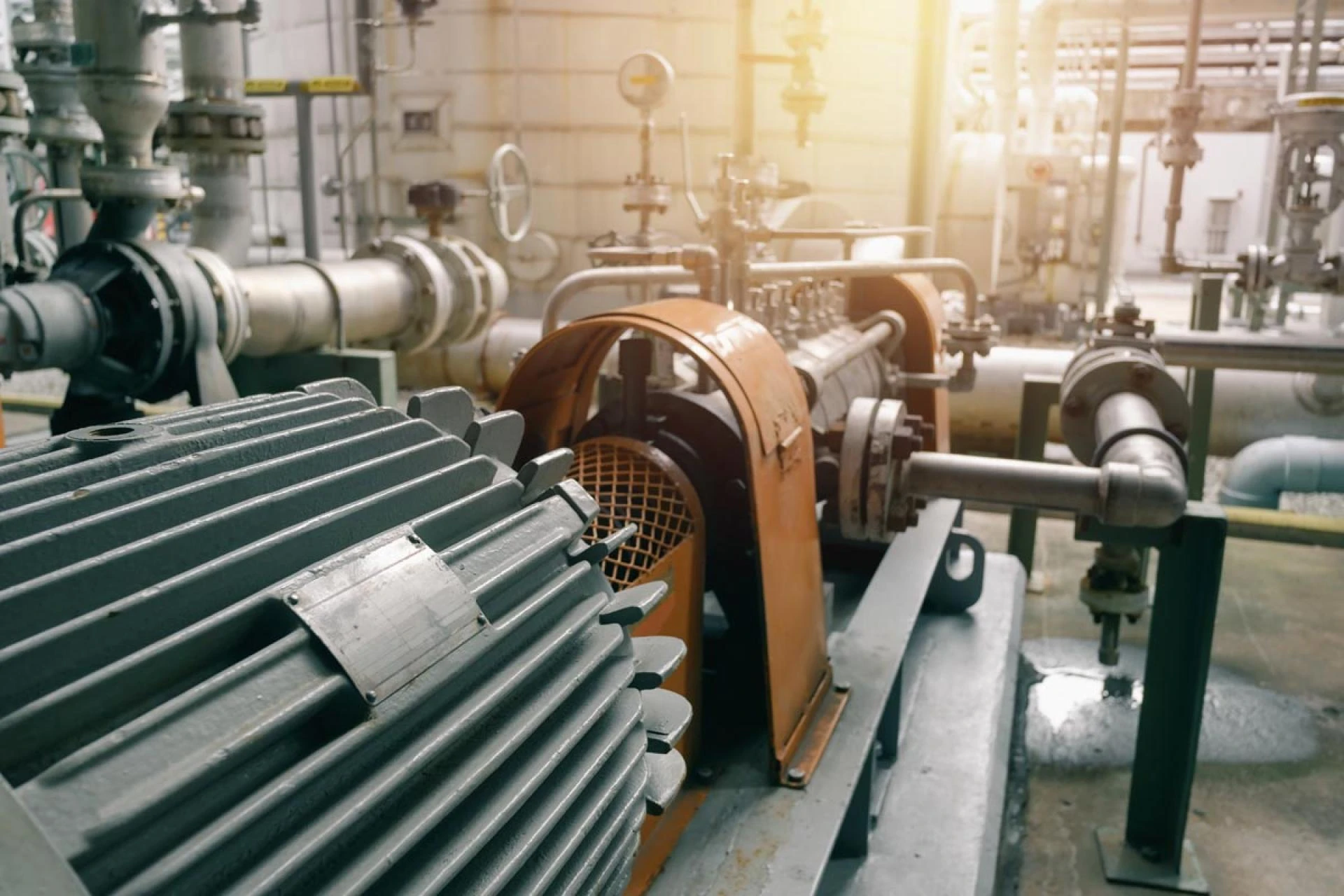

Rotating equipment is used to move many materials safely and efficiently. However, not all rotating machines are created equally. Some are small and low-speed, while others are very large and high-speed. This diversity in construction and application can be intimidating for new and veteran operators alike. To help you get started, here are some basic things you should know about rotating equipment.
Rotating equipment will deteriorate with use, and that means that it will need repairs. If you don't keep up with your maintenance, your equipment could fail prematurely. The right balance and maintenance techniques will help you minimize this risk. In addition to regular maintenance, lubrication is essential for long-term equipment performance. Proper alignment of your rotating equipment will also help you maximize its life cycle and minimize any unexpected downtime.
Routine maintenance of rotating equipment begins with installation and corrective measures. Proper lubrication will reduce the likelihood of a bearing failure. Proper lubrication will also prevent excessive vibration and extend bearing life. Checking for loose bolts is another important aspect of preventing equipment failure.
Vibration can be a sign that your rotating equipment is out of alignment. This vibration may be caused by improper lubrication. In such cases, you can detect the problem early by observing the vibration and hearing the sounds. Taking proper precautions and following safety procedures is also important, so make sure your workers understand the necessary safety precautions and wear the proper PPE.
Bearings are important for the optimal functioning of rotating equipment. You should learn about bearings and the best ways to maintain them. By doing so, you can prevent costly repairs and extend the life of your equipment. To ensure maximum bearing life, remember to follow these five simple steps: Keep bearings clean, dry, cool, and aligned.
When installing rotating equipment, it is essential to check its alignment before startup. The process is known as "but-listing" and this ensures that the actual installation follows all the requirements specified in the equipment specifications. For example, a motor-driven centrifugal pump completeness check would cover coupling alignment, baseplate grouting, and lubrication, among other things. This list would not include other design-related items.
Regardless of the size or type of your business, rotating equipment is vital to the smooth operation of most processes. Pipelines, wells, refineries, and LNG plants all depend on rotating equipment, and any downtime can be costly. An optimized maintenance program will minimize downtime, increase productivity, and lower total cost of ownership.
When it comes to rotating equipment, data analytics and recordkeeping are key. This helps you monitor performance and identify potential problems before they cause major problems. The most effective approach to minimize downtime is to fix problems as soon as they happen. Even a small anomaly can signal an issue. If left unchecked, this could lead to catastrophic failure and cost a large sum of money. You should also avoid allowing shafts to be out of alignment, as this can lead to costly failures.































Sign in to leave a comment.