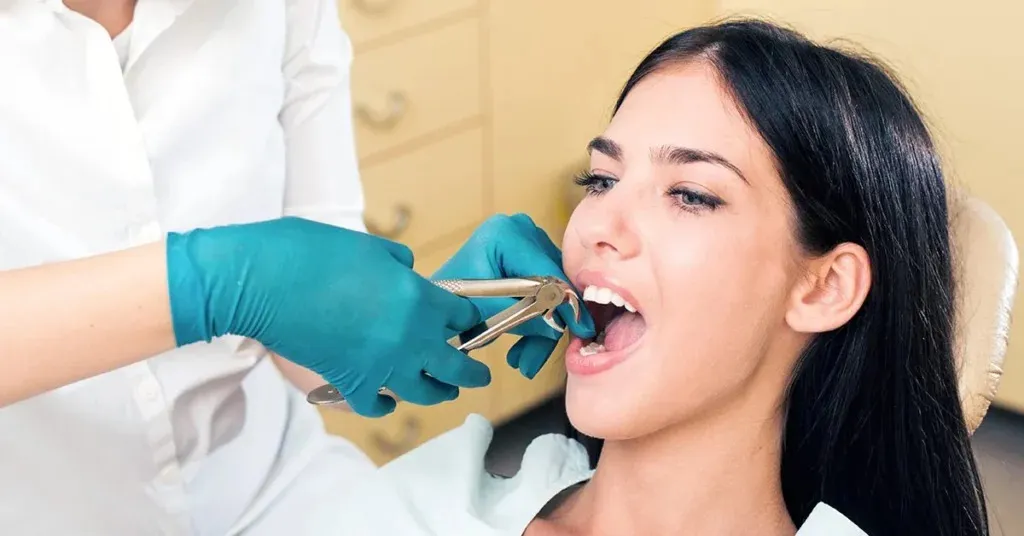

Wisdom teeth are the last set of molars to develop, usually appearing between the ages of 17 and 25. While some people have enough room for these teeth to grow normally, many experience problems because there isn't enough space in the jaw. This can lead to pain, infection, crowding, and damage to neighboring teeth. In these cases, wisdom teeth extraction is often the best solution to protect your long-term oral health.
At Art Family Dental, we provide safe and comfortable wisdom teeth extractions using advanced techniques and personalized care. If you're preparing for this procedure, here's everything you need to know about wisdom tooth removal, including when it's recommended, what to expect, and how to recover successfully.
What Are Wisdom Teeth?
Wisdom teeth are the third and final set of molars located at the very back of your mouth. Most people have four wisdom teeth—one in each corner of the mouth—but some may have fewer, while others may not develop them at all.
Because wisdom teeth erupt later than other permanent teeth, there is often not enough room for them to grow properly.
Why Do Wisdom Teeth Need to Be Removed?
Not every wisdom tooth requires extraction. However, removal is often recommended when the teeth cause pain or increase the risk of future dental problems.
Common reasons for wisdom tooth extraction include:
- Impacted wisdom teeth
- Severe tooth pain
- Swollen or infected gums
- Repeated infections around the wisdom tooth
- Tooth decay
- Damage to neighboring teeth
- Crowding of existing teeth
- Development of cysts around the tooth
Early evaluation allows your dentist to identify potential issues before they become more serious.
Signs You May Need Wisdom Teeth Extraction
You should schedule a dental examination if you experience:
- Pain at the back of your mouth
- Swollen or bleeding gums
- Jaw pain or stiffness
- Difficulty opening your mouth
- Bad breath or unpleasant taste
- Recurrent gum infections
- Headaches related to jaw pressure
- Crowding of nearby teeth
Digital X-rays help determine whether your wisdom teeth are impacted or causing hidden problems.
Types of Wisdom Teeth
Wisdom teeth may erupt in different ways:
Fully Erupted
The tooth grows normally and functions like the other molars.
Partially Erupted
Only part of the tooth emerges through the gums, making it difficult to clean and increasing the risk of infection.
Impacted
The tooth remains trapped beneath the gums or jawbone because there isn't enough room for it to erupt properly.
Impacted wisdom teeth are the most common reason for surgical extraction.
The Wisdom Teeth Extraction Procedure
Initial Consultation
Your treatment begins with a comprehensive dental examination.
Your dentist will:
- Review your medical history
- Examine your mouth
- Take digital X-rays
- Evaluate the position of the wisdom teeth
- Discuss the recommended treatment plan
This assessment helps determine the safest and most effective approach for removal.
Anesthesia
Before the procedure begins, anesthesia is administered to ensure your comfort.
Depending on the complexity of the extraction, your dentist may use:
- Local anesthesia
- Sedation dentistry
- General anesthesia (for more complex cases)
Your dentist will recommend the most appropriate option for your needs.
Tooth Removal
If the wisdom tooth has fully erupted, it may be removed similarly to a standard tooth extraction.
For impacted wisdom teeth, your dentist may:
- Make a small incision in the gum
- Remove a small amount of surrounding bone if necessary
- Section the tooth into smaller pieces for easier removal
- Carefully remove the tooth
- Place stitches if required
The procedure is performed with precision to minimize discomfort and promote healing.
Recovery After Wisdom Teeth Extraction
Most patients recover within one to two weeks, although initial healing usually occurs within the first few days.
Common symptoms include:
- Mild swelling
- Minor bleeding
- Jaw stiffness
- Temporary discomfort
These symptoms are normal and improve gradually during recovery.
Aftercare Tips
Following your dentist's instructions is essential for proper healing.
During the First 24 Hours
- Bite gently on gauze to control bleeding.
- Apply ice packs to reduce swelling.
- Rest and avoid strenuous activities.
- Avoid smoking and alcohol.
- Do not drink through a straw, as this can dislodge the blood clot and lead to dry socket.
Eating After Surgery
Choose soft foods such as:
- Yogurt
- Applesauce
- Mashed potatoes
- Smooth soups
- Scrambled eggs
- Smoothies (without using a straw)
Gradually return to your normal diet as healing progresses.
Oral Hygiene
Keep your mouth clean by:
- Brushing carefully around the surgical area
- Rinsing gently with warm salt water after 24 hours
- Following your dentist's cleaning instructions
- Avoiding vigorous rinsing during the first day
Good oral hygiene helps reduce the risk of infection.
Possible Complications
Although wisdom teeth extraction is a common and safe procedure, complications can occasionally occur.
Contact your dentist if you experience:
- Severe pain that worsens after several days
- Excessive bleeding
- Persistent swelling
- Fever
- Difficulty swallowing or breathing
- Signs of infection
- Dry socket symptoms
Prompt treatment helps ensure a smooth recovery.
Why Choose Art Family Dental?
At Art Family Dental, we provide gentle, patient-focused wisdom teeth extractions using advanced technology and modern surgical techniques. Our experienced team carefully evaluates each case to ensure safe treatment, effective pain management, and a comfortable recovery. We are committed to protecting your oral health while making every step of the process as stress-free as possible.
Conclusion
Wisdom teeth extraction is a common procedure that helps prevent pain, infection, crowding, and other complications associated with impacted or problematic wisdom teeth. Understanding the procedure, recovery process, and proper aftercare can help you feel more confident about your treatment. At Art Family Dental, we are dedicated to providing expert wisdom tooth removal with personalized care and lasting results. Schedule your consultation today and take the first step toward a healthier, pain-free smile.



















Sign in to leave a comment.