
Matcha has gone from a niche Japanese tea to a global phenomenon in just a few years. Coffee shops stock it, health influencers promote it, and grocery stores now carry multiple brands on their shelves. But not all matcha is created equal, and the difference between a good product and a bad one is enormous.
What Matcha Actually Is
Matcha green tea is made from shade-grown tea leaves that are stone-milled into a fine powder. Unlike regular green tea, where leaves are steeped and then removed, matcha involves consuming the entire leaf. This is why it delivers a much higher concentration of antioxidants, amino acids, and caffeine compared to standard green tea.
The shading process is what sets matcha apart from other green teas. For roughly three weeks before harvest, the tea plants are covered to block direct sunlight. This forces the plants to produce more chlorophyll and L-theanine, giving matcha its vivid green colour and smooth, umami-rich flavour.
Understanding the Grades
Not every tin of green powder on the shelf deserves to be called matcha. The grading system matters, and knowing the difference will save you from spending money on something that tastes like lawn clippings.
Ceremonial grade matcha is the highest quality available. It comes from the youngest, most tender leaves at the top of the plant. The colour is a bright, almost electric green. The flavour is smooth with natural sweetness and zero bitterness. This grade is meant to be whisked with water and enjoyed on its own, the traditional way.
Culinary grade sits at the other end. It uses older leaves, produces a duller green colour, and has a stronger, more bitter taste. This grade works well in baking, smoothies, and lattes where other ingredients balance out the bitterness. It costs less, and for good reason.
Between these two sits a range of mid-tier options that different sellers label in various ways. The key indicators of quality remain the same: vivid colour, fine texture, and a smell that leans sweet rather than grassy.
Why Organic Matcha Matters
Organic matcha green tea is grown without synthetic pesticides or fertilisers. Since you consume the whole leaf when drinking matcha, this distinction matters more than it does with steeped teas. Anything on or in the leaf ends up in your cup.
Certified organic matcha must meet strict agricultural standards throughout the growing, harvesting, and processing stages. The certification adds cost, but for a product that goes directly into your body in powdered form, many drinkers consider it worth the premium.
Japan produces the vast majority of high-quality matcha, with regions like Uji (Kyoto), Nishio (Aichi), and Kagoshima leading production. Each region has its own soil composition and climate, which influences the final flavour profile. Kagoshima, in the south of Japan, has become particularly well-known for producing excellent matcha at slightly more accessible price points than the traditional Uji region.
How to Prepare Matcha Properly
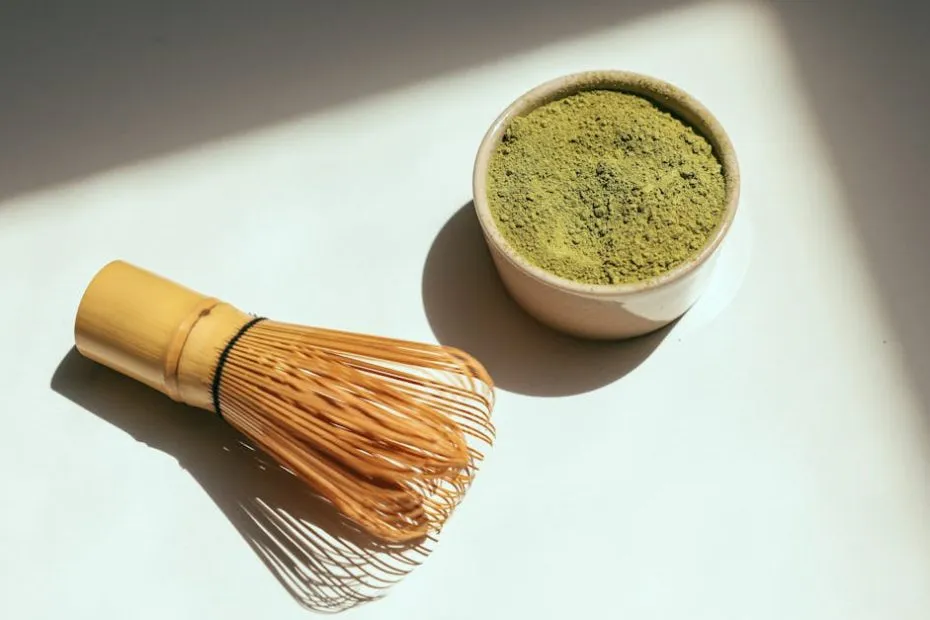
The traditional preparation method uses a bamboo whisk called a chasen. Sift one to two grams of matcha tea powder into a bowl, add about 70ml of water heated to around 80 degrees Celsius, and whisk vigorously in a W or M motion until a layer of fine foam forms on the surface.
Water temperature is critical. Boiling water scorches the powder and produces a bitter, unpleasant cup. If you do not have a temperature-controlled kettle, let boiled water sit for two to three minutes before pouring.
For a latte, whisk the matcha with a small amount of hot water first to create a paste, then add steamed milk. This prevents clumping and ensures the matcha distributes evenly through the drink. Oat milk and coconut milk pair particularly well with matcha, though dairy works fine too.
The Health Benefits Are Real
Matcha delivers caffeine differently from coffee. The L-theanine in matcha slows the absorption of caffeine, producing a calm, sustained alertness rather than the spike-and-crash pattern that coffee often creates. Many people describe the feeling as focused energy without the jitters.
A single serving of matcha tea contains roughly 70mg of caffeine, comparable to a shot of espresso. But the combination with L-theanine changes the experience completely. Studies have linked regular matcha consumption to improved concentration, reduced stress hormones, and better metabolic health.
The antioxidant content is where matcha truly stands apart. EGCG (epigallocatechin gallate) is a catechin found in green tea that has been studied extensively for its anti-inflammatory and cell-protective properties. Matcha contains up to 137 times more EGCG than standard green tea, precisely because you consume the whole leaf.
Common Mistakes When Buying Matcha
Price is usually the first clue. Genuine Japanese matcha green tea powder costs more than generic green tea powder from China or other origins. If a 100g tin costs less than a cup of coffee, it is very likely not real matcha.
Colour tells you a lot at a glance. Quality matcha is bright green. If the powder looks yellow, brown, or dull olive, it is either old, low-grade, or not actually matcha. The packaging matters too. Matcha degrades quickly when exposed to light and air, so reputable sellers use opaque, sealed tins rather than clear bags.
Texture should be silky and fine, almost like eyeshadow. If it feels gritty between your fingers, the milling process was not thorough enough. Stone-milled matcha produces the finest, smoothest powder, which is why traditional Japanese producers still use granite stone mills that grind slowly to avoid heat damage.
Where to Buy Matcha Online
The best approach is to buy matcha online from a seller who provides clear information about the grade, origin, and processing method. Look for Japanese-sourced matcha with a specific region listed. Vague labels like “premium” or “supreme” without any supporting detail are marketing language and nothing more.
A good online retailer will also store and ship matcha properly. Heat and light degrade the product quickly, so packaging and handling matter. Sealed, opaque containers that arrive quickly after your order are signs that the seller understands the product.
Making Matcha Part of Your Routine
Starting with matcha does not require a full Japanese tea ceremony. A simple morning bowl or latte takes less time than brewing a pot of coffee. The ritual of whisking can become a pleasant, meditative start to the day, but even a quick shake in a bottle with cold water produces a refreshing drink.
The key is starting with good quality powder. Once you have tasted properly sourced, freshly milled matcha, the difference from cheap alternatives becomes impossible to ignore. It is one of those products where quality genuinely changes the entire experience.
































Sign in to leave a comment.