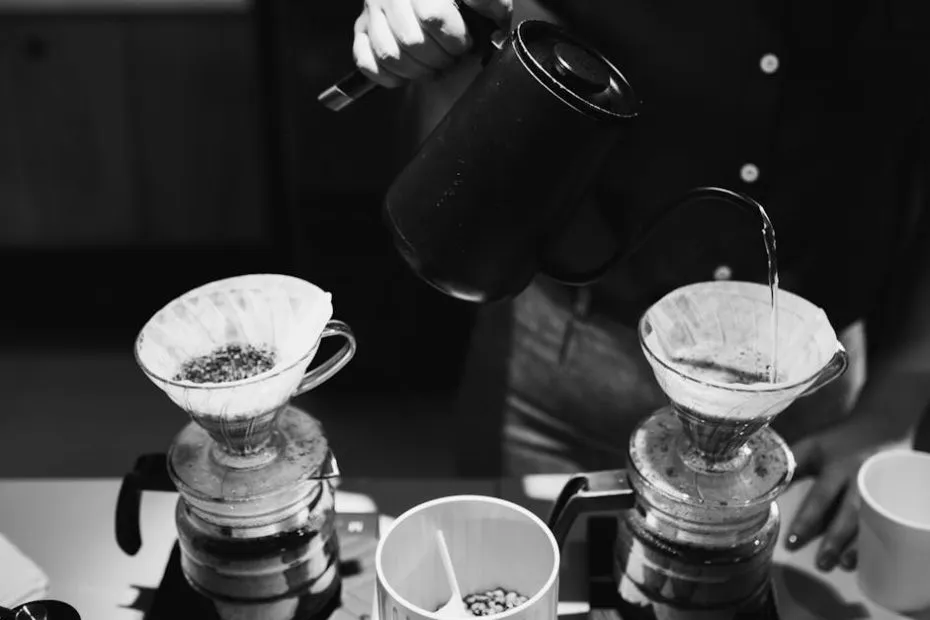

Most people drink coffee every day but never think about how the brewing method shapes the final cup. Switching from a basic drip machine to a manual method can completely change the flavour, body, and aroma of the same bag of beans. The good news is that none of these methods are difficult to learn, and the equipment costs a fraction of what a month of cafe visits adds up to.
Why the Brewing Method Matters More Than You Think
Two cups of coffee made from the same beans can taste completely different depending on how they are brewed. A French press produces a thick, oily cup that sits heavy on the tongue. A pour over from the same beans might taste bright, clean, and tea-like. Neither is wrong. They just extract different compounds from the coffee grounds in different ways.
The variables that change between methods are grind size, water temperature, brew time, and filtration. Every coffee brewing method balances these four elements differently. Understanding this basic framework makes it much easier to troubleshoot a bad cup or dial in a great one.
Pour Over Coffee for Clean, Bright Cups
Pour over coffee is the method that specialty coffee shops made famous. A paper filter sits in a cone-shaped dripper, ground coffee goes in, and hot water is poured over the top in a slow, controlled stream. The water passes through the grounds and drips into a cup or carafe below.
The paper filter removes oils and fine particles, producing a clean, transparent cup that highlights delicate flavour notes. If a bag of beans lists tasting notes like citrus, florals, or stone fruit, pour over is the method that will bring those out most clearly.
The V60 from Hario is the most popular pour over brewer. It uses a spiral-ridged cone and requires a medium-fine grind and a steady pouring technique. The Chemex is another option that uses a thicker filter, producing an even cleaner cup. Both are affordable and take up almost no counter space.
Brew time sits around three to four minutes for a single cup. Water temperature should be between 90 and 96 degrees Celsius. Too hot and the coffee tastes bitter. Too cool and it tastes sour and underdeveloped.
French Press for Full Body and Richness
The French press is one of the oldest and simplest brewing methods. Coarse grounds sit in hot water for four minutes, then a metal mesh plunger pushes the grounds to the bottom. The result is a full-bodied, rich cup with a heavier mouthfeel than filtered methods.
Because there is no paper filter, the natural oils from the coffee stay in the cup. These oils carry flavour compounds that paper strips out, which is why French press coffee tastes rounder and more textured. It also means fine sediment ends up in the cup, which some people love and others find gritty.
The key to good French press coffee is the grind. Too fine and the grounds slip through the mesh, creating a muddy, over-extracted cup. Too coarse and the coffee tastes weak and watery. A grind that looks like coarse sea salt works well for most French press brewers.
Water should be just off the boil. Pour it over the grounds, stir gently, place the lid on without pressing, and wait four minutes. Press slowly and pour immediately. Leaving brewed coffee sitting on the grounds continues extracting and turns the cup bitter.
AeroPress for Versatility and Forgiveness
The AeroPress has built a cult following since its invention in 2005. It uses air pressure to push water through a fine paper filter and a bed of ground coffee. The result sits somewhere between espresso and filter coffee, a concentrated, clean, smooth cup.
What makes AeroPress special is its forgiveness. Small errors in grind size, water temperature, or timing do not ruin the cup the way they might with pour over. This makes it an excellent starting point for people new to manual brewing.
The standard recipe uses a medium-fine grind, water at around 85 degrees, and a brew time of about 90 seconds. But the AeroPress community has produced hundreds of recipes that range from espresso-style concentrates to long, tea-like brews. The World AeroPress Championship happens every year, and winning recipes are published online for anyone to try.
It is also the most portable brewer on this list. Made from durable plastic, it fits into a backpack or suitcase without any worry about breaking. For people who travel and refuse to drink hotel room coffee, the AeroPress is hard to beat.
Espresso at Home Is Possible but Demanding
Espresso forces hot water through finely ground coffee at high pressure, producing a small, intense shot with a layer of crema on top. It is the foundation for lattes, cappuccinos, flat whites, and most cafe drinks.
Home espresso requires more investment than other methods. A decent machine, a quality grinder, and the time to learn the technique add up. The grind needs to be precise, the dose consistent, and the extraction time between 25 and 30 seconds. Small changes in any of these variables produce noticeably different results.
That said, for people who drink milk-based coffee daily, a home espresso setup pays for itself quickly. The per-cup cost drops well below cafe prices, and the quality can match or exceed what most shops serve, provided the beans are fresh and the technique is practised.
Cold Brew for Smooth, Low-Acid Coffee
Cold brew steeps coarse coffee grounds in cold or room-temperature water for 12 to 24 hours. The long extraction time and low temperature produce a smooth, sweet concentrate with significantly less acidity than hot-brewed coffee.
The concentrate is typically diluted with water or milk before drinking. Undiluted cold brew is strong enough to replace espresso in iced lattes and mixed drinks. It keeps well in the fridge for up to two weeks, making it a convenient option for batch preparation.
Making cold brew requires no special equipment. A jar, some coarse grounds, water, and a strainer are all that is needed. Dedicated cold brew makers with built-in filters make the process slightly tidier, but they are not necessary.
Choosing the Right Grinder
No brew guide is complete without talking about grinding. Pre-ground coffee goes stale within minutes of grinding because the increased surface area accelerates oxidation. Grinding fresh before each brew is the single biggest improvement most home coffee drinkers can make.
Burr grinders produce a consistent particle size, which leads to even extraction and a balanced cup. Blade grinders chop beans unevenly, creating a mix of dust and boulders that extracts at different rates. The result is a cup that tastes simultaneously bitter and sour.
A decent hand burr grinder costs about the same as a few bags of specialty coffee and will last for years. Electric burr grinders offer more convenience but come at a higher price point. Either option dramatically outperforms a blade grinder.
Water Quality Gets Overlooked
Coffee is roughly 98 percent water, so the quality of the water directly affects the taste. Hard water with high mineral content can mute flavour and leave scale deposits in equipment. Completely soft or distilled water produces flat, lifeless coffee because some minerals are needed to extract flavour compounds properly.
Filtered tap water works well for most people. A simple carbon filter jug removes chlorine and off-flavours while leaving enough minerals for good extraction. Bottled spring water is another reliable option, though the cost adds up over time.
Getting Started Is Simpler Than It Looks
The number of methods and variables can feel overwhelming at first. But making coffee at home really comes down to three things: fresh beans, the right grind, and a brewing method that matches your taste preferences.
Start with one method that appeals to you. Follow a basic recipe. Taste the result and adjust. The learning curve for any manual brewer is measured in days, not months. Within a week of daily brewing, most people produce cups that rival their local cafe.
The gear does not need to be expensive. A hand grinder, an AeroPress or a V60, a kettle, and a bag of freshly roasted beans is everything needed to make excellent coffee at home. The rest is just practice and paying attention to what tastes good.





























Sign in to leave a comment.