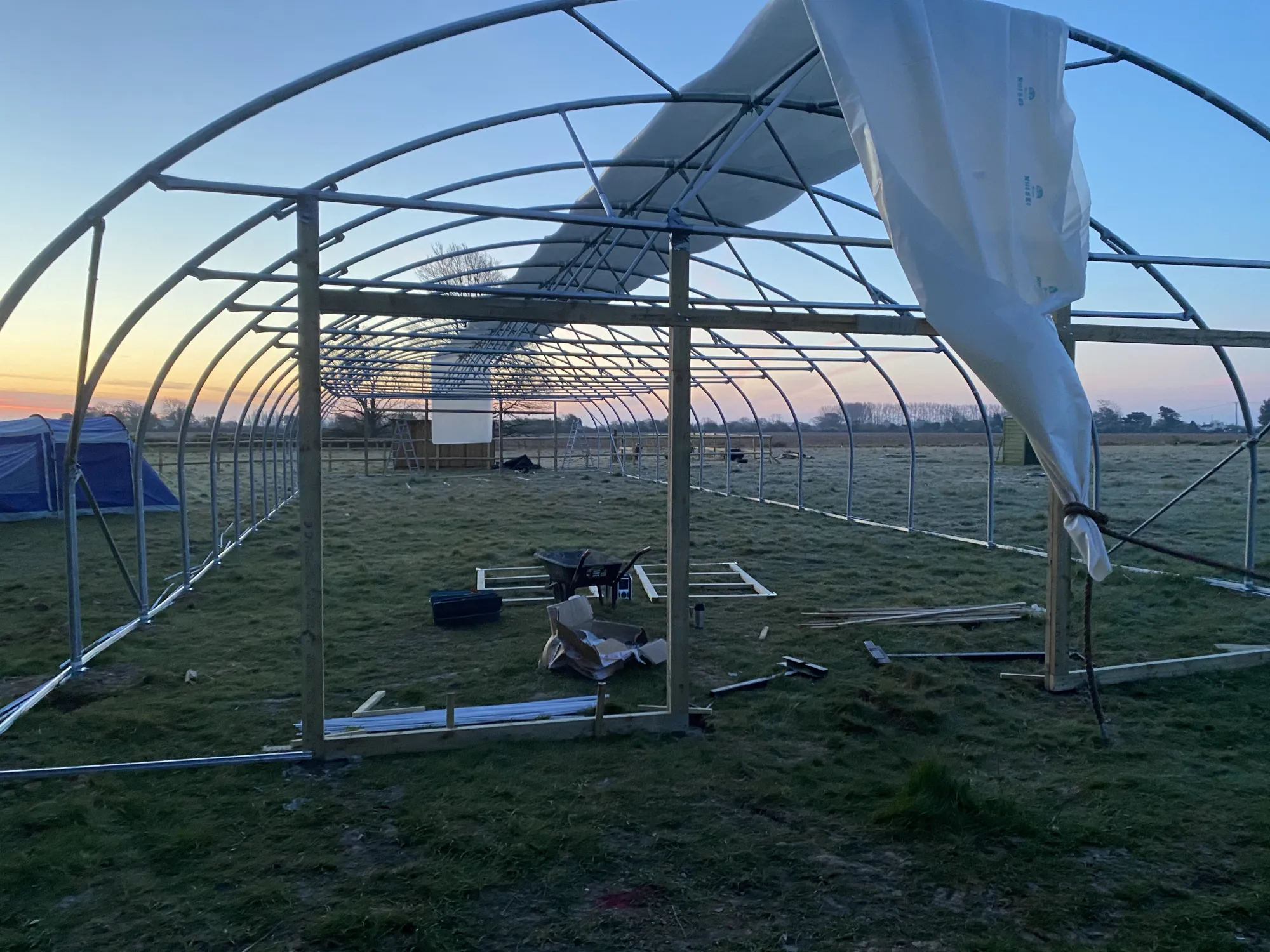

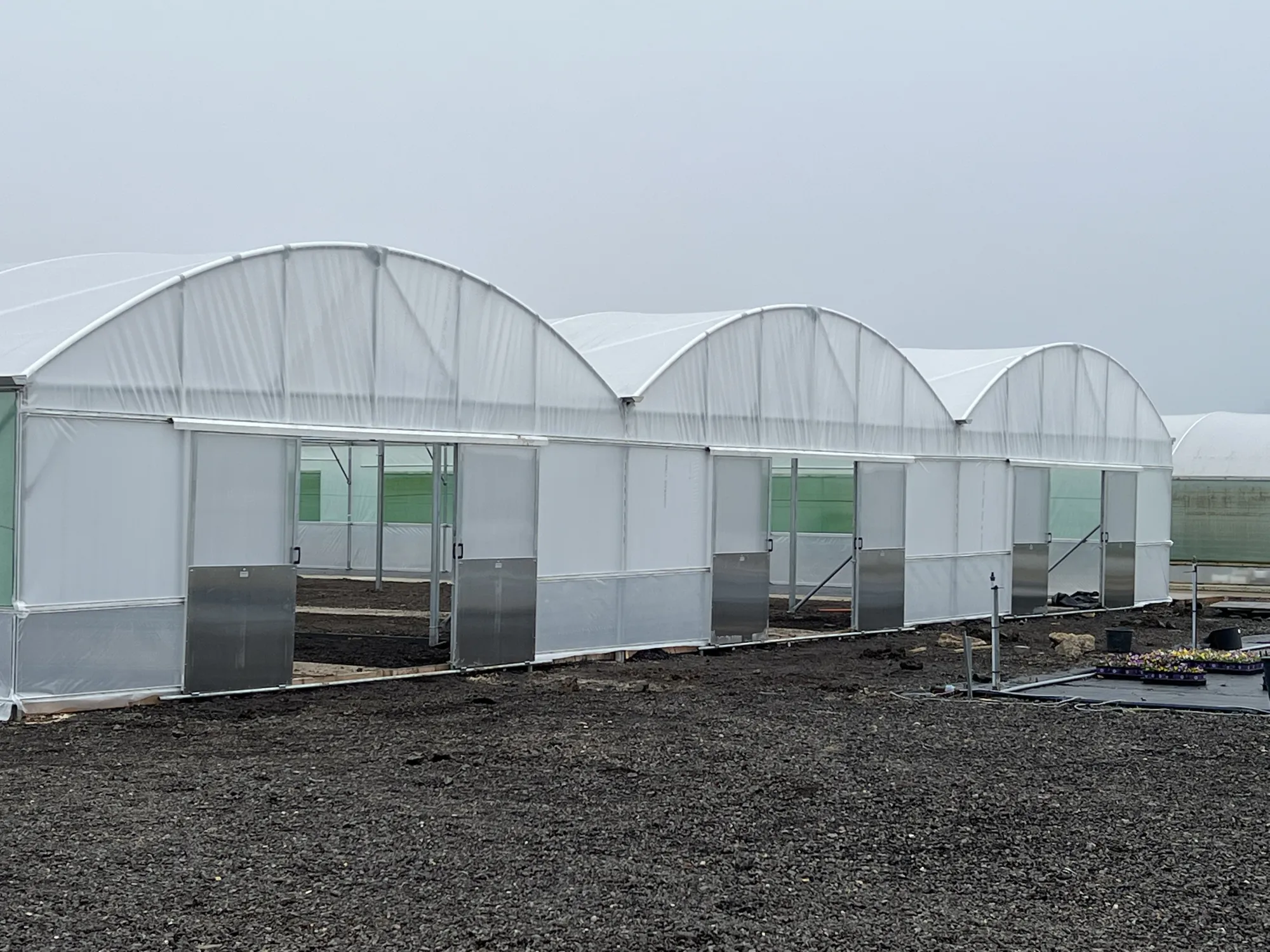
Garden polytunnels are now widely used and revered across the UK, shielding crops, extending growing seasons, and creating an ideal controlled environment. They often come under stress from regular use and constant exposure to harsh elements, and operational stress means that polytunnel repairs are unavoidable.
From compact garden tunnels to extensive commercial installations, every structure will experience wear, tear, and natural degradation over its life span. The encouraging reality is that many small garden polytunnels still require only minor repairs that can be handled without specialist contractors, depending on the scale of the repair issue and the complexity of the problem.
For many small garden polytunnels, maintenance and repair tasks are a lot simpler and cost-effective. Minor polytunnel repairs, such as punctures or splits in the cover, are the most common issues and can be easily managed with polythene repair tape and a clean plastic patch.
Lightweight garden polytunnels combined with poor-quality frame materials, when put under harsh conditions, will flex and bend, even on unsheltered small models, in exposed or coastal environments. Factors that garden polytunnels do not often face.
Regular inspections can prompt action for minor repairs, annual cleaning, and correct tensioning, all of which help extend the life of the cover and structure. Small garden tunnels are positioned in sheltered garden locations, having less workforce stress and operational use. Leading to fewer cover repairs.
While polytunnel repairs are inevitable, immediate intervention helps reduce major issues. Repair issues affect both a small garden tunnel and a large commercial installation. Being affected by high U.V sunlight, wind, rain,dramatic temperature changes, pests, and accidental or workforce damage all contribute to gradual degradation, requiring some form of polytunnel repairs.
after heavy winds, snow, or storms. Slight distortion can be corrected by carefully reshaping the tubing and reinforcing fixed by additional bracing. Early replacement of worn or damaged components prevents further strain on the frame and cover.
Medium to larger heavy-duty domestic polytunnels require a more hands-on approach, yet are still manageable with basic experience. The cover will usually need to be replaced first. Assistance can often be required to lift and stretch the material when carefully placing it over the garden polytunnel frame, but with clear instructions and patience, it is achievable. Ground and stability movement can also affect performance, so re-levelling bases, improving drainage, or adding extra bracing or anchors can restore structural integrity.
Structural and cover inspections are part of an ongoing maintenance support, as bent or weakened frame sections and degraded coverings should be replaced to maintain stability, functionality, and performance.
From small garden polytunnels to large domestic and commercial builds, bespoke tunnels can often include roll-up sides, vents, or multiple access points, which increase the chance of polytunnel repairs. Many commercial polytunnels will face additional challenges due to their size, shape, height, and intensity of use issues. Their thicker coverings and heavier frames demand more stress factors to happen, and at times, the use of specialist tools to repair or replace damaged parts may be required. Even galvanised or aluminium frames can suffer stress or fatigue, particularly.
Read More:
Finding the Right Polytunnel That Suits Your Needs
Quality Assured Polytunnel Coverings
























Sign in to leave a comment.