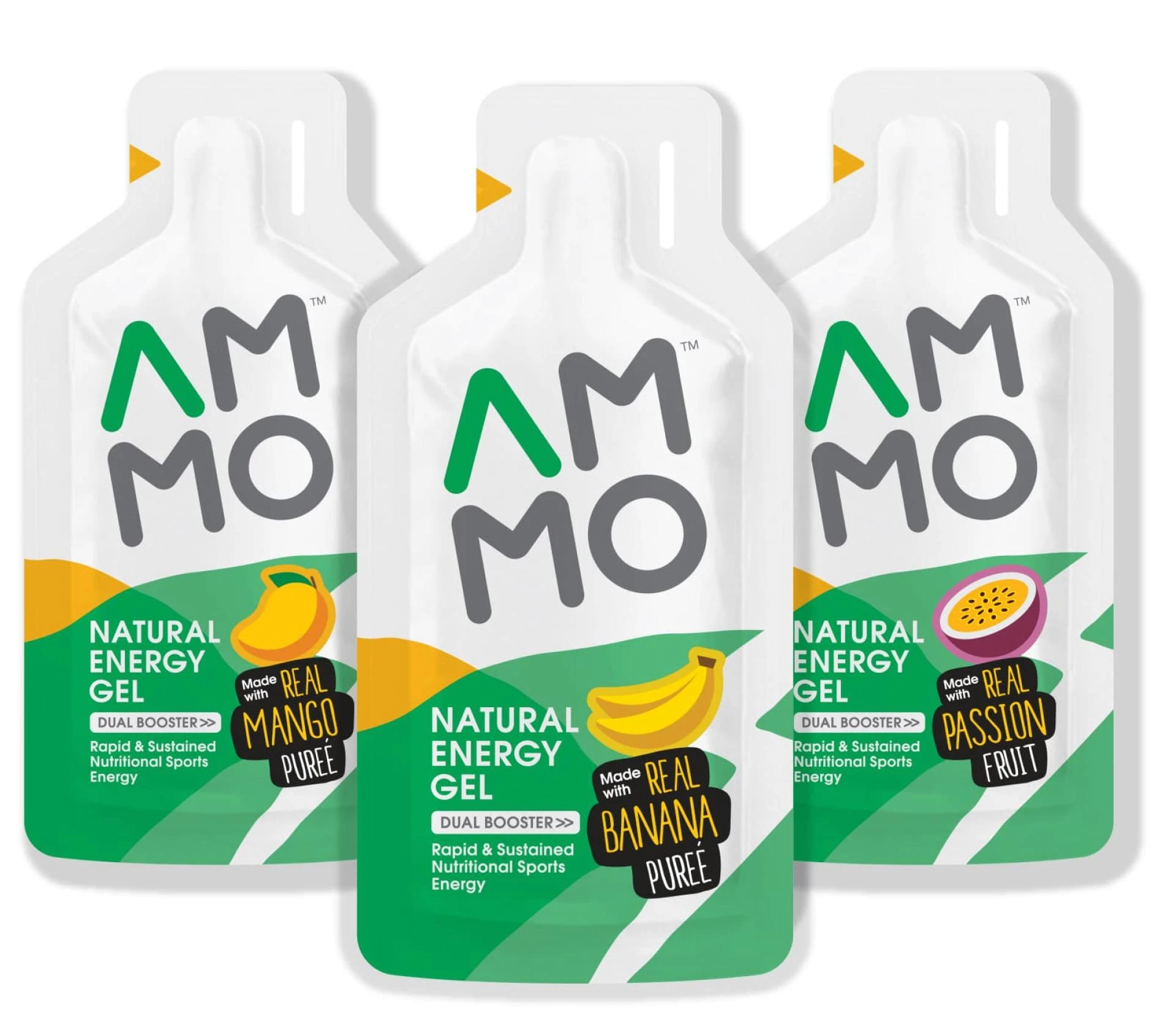

Long-distance running requires more than endurance and training. It also depends heavily on fueling the body with the right nutrients at the right time. Among the most popular options for mid-run energy are energy gels for running. These compact packets provide a quick source of carbohydrates and electrolytes to sustain performance. However, safe and effective use of energy gels requires planning and knowledge. This article explores everything runners need to know before incorporating them into their training or race routine.
Why Energy Gels Matter for Runners
The Role of Carbohydrates in Endurance Running
During extended physical activity, the body primarily relies on glycogen stored in muscles and the liver. Once glycogen reserves run low, fatigue and decreased performance follow. Energy gels are designed to replenish carbohydrate stores quickly, providing a steady fuel source when glycogen levels dip.
Quick Absorption for Immediate Energy
Unlike solid foods, energy gels have a semi-liquid consistency that allows for faster digestion and absorption. This quick release of energy is vital during long runs when runners cannot afford to wait for slower-digesting options like bars or snacks.
Compact and Convenient Fuel
Carrying bulky food during a race is impractical. Energy gels for running are packaged in lightweight sachets that can easily fit into pockets, belts, or hydration vests, making them one of the most practical fueling choices for endurance athletes.
Choosing the Right Energy Gels
Types of Carbohydrates Used
Not all gels are the same. Some are made with glucose or maltodextrin for rapid absorption, while others combine multiple carbohydrate sources to provide both immediate and sustained energy. Runners should experiment with different types to see which works best for their digestive system.
Electrolyte Content
Electrolytes such as sodium and potassium are essential for maintaining fluid balance and preventing muscle cramps. Many energy gels contain added electrolytes, making them ideal for longer races or hot weather conditions where sweat loss is significant.
Caffeine Options
Some energy gels include caffeine for an extra boost in alertness and reduced perception of fatigue. While beneficial for some, caffeine may cause jitteriness or stomach issues in sensitive individuals. Testing caffeine-based gels during training rather than race day is strongly advised.
Flavors and Texture
Taste preferences play a surprisingly important role. Since runners may consume several gels during a marathon, finding a flavor and texture that feels pleasant is key to avoiding mid-race aversion.
When to Use Energy Gels During Running
Timing Before the Run
Most runners do not need a gel before short or moderate runs. However, for events lasting longer than 90 minutes, consuming one 10 to 15 minutes before starting can help top off glycogen levels.
Frequency During the Run
Experts generally recommend consuming an energy gel every 30 to 45 minutes during prolonged activity. This steady intake prevents glycogen depletion while avoiding sudden spikes or crashes in blood sugar.
Coordinating with Water Intake
Energy gels are most effective when taken with water. Drinking a few sips helps the body absorb carbohydrates efficiently and reduces the risk of stomach discomfort. Avoid pairing gels with sports drinks, as the combination may lead to excess sugar intake and digestive issues.
Avoiding Common Mistakes with Energy Gels
Using Them for the First Time on Race Day
One of the most common mistakes is trying a new gel during a race. Digestive systems react differently to ingredients, so it is crucial to practice with chosen gels during training runs.
Overconsumption
Taking too many gels too quickly can overwhelm the stomach and cause bloating or nausea. Following recommended guidelines and listening to the body helps maintain balance.
Ignoring Hydration
Since gels are concentrated carbohydrate sources, consuming them without water may slow absorption and lead to gastrointestinal distress. Hydration planning is equally important as gel timing.
Not Accounting for Weather Conditions
In hot weather, runners may need gels with added electrolytes. In cooler conditions, carbohydrate-focused gels may suffice. Adjusting gel strategy to match environmental factors ensures better performance and safety.
Training the Gut for Energy Gels
Gradual Introduction
Introducing gels into training gradually helps the digestive system adapt. Runners can start by using one gel during shorter runs and slowly increase intake as mileage builds.
Practicing Race Conditions
Using gels during training runs that mimic race pace and distance allows runners to fine-tune their strategy. This practice ensures confidence and minimizes surprises during the actual event.
Listening to the Body
Every runner responds differently to energy gels. Some may find one brand or carbohydrate blend easier to tolerate than another. Tracking results during training helps identify the best choice.
Alternatives and Complementary Options
Sports Drinks
While energy gels are highly effective, sports drinks provide both fluids and carbohydrates. They can be a good option for shorter events where carrying gels may not be necessary.
Chews and Bars
Energy chews and small bars offer variety for runners who prefer more solid fuel. However, they may take longer to digest compared to gels.
Natural Options
Some runners prefer whole-food alternatives such as dried fruit or honey packets. While these can be effective, they may not offer the same convenience or precise carbohydrate content as energy gels.
Safety Considerations for Energy Gel Use
Understanding Individual Limits
Runners should not assume that more gels automatically mean better performance. Stomach tolerance varies, and it is important to find a balance between energy intake and comfort.
Consulting with a Sports Nutritionist
For marathoners, ultrarunners, or those with sensitive digestion, seeking advice from a sports nutritionist can help create a tailored fueling plan.
Checking Labels for Allergens
Some energy gels may contain ingredients like gluten, soy, or caffeine that could trigger sensitivities. Always check ingredient labels before use.
Final Thoughts
Energy gels for running can be powerful tools when used correctly. They provide quick energy, maintain glycogen levels, and help runners perform at their best during long-distance events. However, safe use requires planning, experimentation, and attention to hydration. By testing different gels, adjusting timing, and listening to the body, runners can create a fueling strategy that supports both performance and comfort. For those aiming to achieve their running goals, mastering the use of energy gels is a valuable step toward success.




























Sign in to leave a comment.