

Plugging In: The VR Revolution Set to Redefine Gaming
Imagine powering up your VR rig, slipping on a headset, and instantly teleporting into a hyper-realistic world where the boundaries between game and reality blur. That’s no sci-fi anymore—it’s the forefront of gaming tech in 2026! Virtual reality gaming has blasted off from clunky prototypes to sleek, ultra-responsive ecosystems, creating immersive experiences that rival blockbuster movies and Twitch’s hottest streams. According to Statista, the VR gaming market is projected to surpass $45 billion by 2027, fueled by innovations in hardware, software, and network capabilities.
But here’s the kicker: despite the hype and rapid evolution, VR gaming still demands savvy choices and a keen understanding of the tech to truly capitalize on its potential. With so many headsets flooding the market and new features popping up faster than a speedrunner’s reflexes, it’s easy to get overwhelmed. Whether you’re a seasoned VR warrior or a noob ready to dive in, mastering expert tips and knowing which headsets are worth your coin can level up your experience beyond what even the slickest Twitch influencer streams.
This deep dive unpacks the journey of VR gaming, breaks down the best headsets currently dominating the scene, and offers insider advice to future-proof your setup for the next wave of virtual adventures. Buckle up, because the future of VR gaming is here, and it’s wild.
From Pixels to Presence: A Quick History of VR Gaming
Virtual reality’s roots go way back, but gaming truly sparked its explosion. Early VR attempts in the 90s, like the Nintendo Virtual Boy, were more novelty than necessity—awkward hardware, poor graphics, and motion sickness issues made them more of a gimmick than a genre-defining innovation. Fast forward to the early 2010s, the Oculus Rift Kickstarter changed the game, bringing VR to a wider audience with improved visuals and tracking.
Since then, companies like Valve, HTC, Sony, and Meta (formerly Facebook) have competed to push the envelope. The HTC Vive introduced room-scale VR, allowing gamers to physically move around their play spaces. Sony’s PlayStation VR opened the door for console users. Meta’s Quest line, especially the Quest 3 and Quest Pro in 2026, has set new benchmarks for standalone VR with wireless freedom and high fidelity.
Meanwhile, esports and streaming platforms like Twitch embraced VR titles such as Beat Saber, Population: One, and Half-Life: Alyx, turning immersive gameplay into spectator sport phenomena. This momentum has fueled a steady stream of investments in VR technology, software development, and network infrastructure, catalyzing the ecosystem we see today.
2026 Landscape: VR Headsets That Are Changing the Game
Choosing a VR headset is no trivial matter. The market is saturated with options tailored for different playstyles, budgets, and ecosystems. According to a recent MSN review, the top contenders this year include:
- Meta Quest Pro 2 – The king of standalone VR, boasting high-resolution displays, eye tracking, and mixed reality capabilities that blend AR and VR seamlessly.
- Valve Index 2 – Praised for its ultra-low latency, wide field of view, and finger-tracking controllers, it remains the gold standard for PC VR enthusiasts.
- HTC Vive XR Elite – A versatile all-rounder with excellent visuals and robust tracking, perfect for both gaming and professional use.
- PlayStation VR2 – Sony’s latest iteration leverages the PS5’s power for phenomenal graphics and adaptive triggers, enhancing immersion for console gamers.
Each headset brings unique strengths, but beyond specs, factors like comfort, ecosystem compatibility, and content libraries weigh heavily. For example, Meta Quest Pro 2’s wireless design and growing library of exclusive titles make it ideal for casual and mid-core players craving freedom of movement. Meanwhile, Valve Index 2’s tethered setup caters to hardcore gamers who demand precision and performance.
Experts from MSN stress the importance of considering your gaming environment and PC specs when picking a headset, as some require powerful rigs and dedicated space for room-scale VR. Comfort innovations, such as adjustable head straps and lightweight materials, are also critical for marathon sessions.
"The headset you pick sets the foundation for your VR journey. Going for high refresh rates and low latency can make the difference between immersion and motion sickness." – VR hardware analyst at TechInsights
Expert Tips to Future-Proof Your VR Gaming Setup
With VR tech progressing at lightning speed, optimizing your rig isn’t just about buying the flashiest headset. Here are some pro-level tips to get the most out of your VR adventures and stay ahead of the curve:
- Prioritize Ergonomics: Look for headsets with customizable fit options and breathable padding. Extended play sessions demand comfort to prevent fatigue and discomfort.
- Invest in Tracking Quality: High-precision inside-out tracking with multiple cameras or external base stations reduces jitter and enhances interaction fidelity.
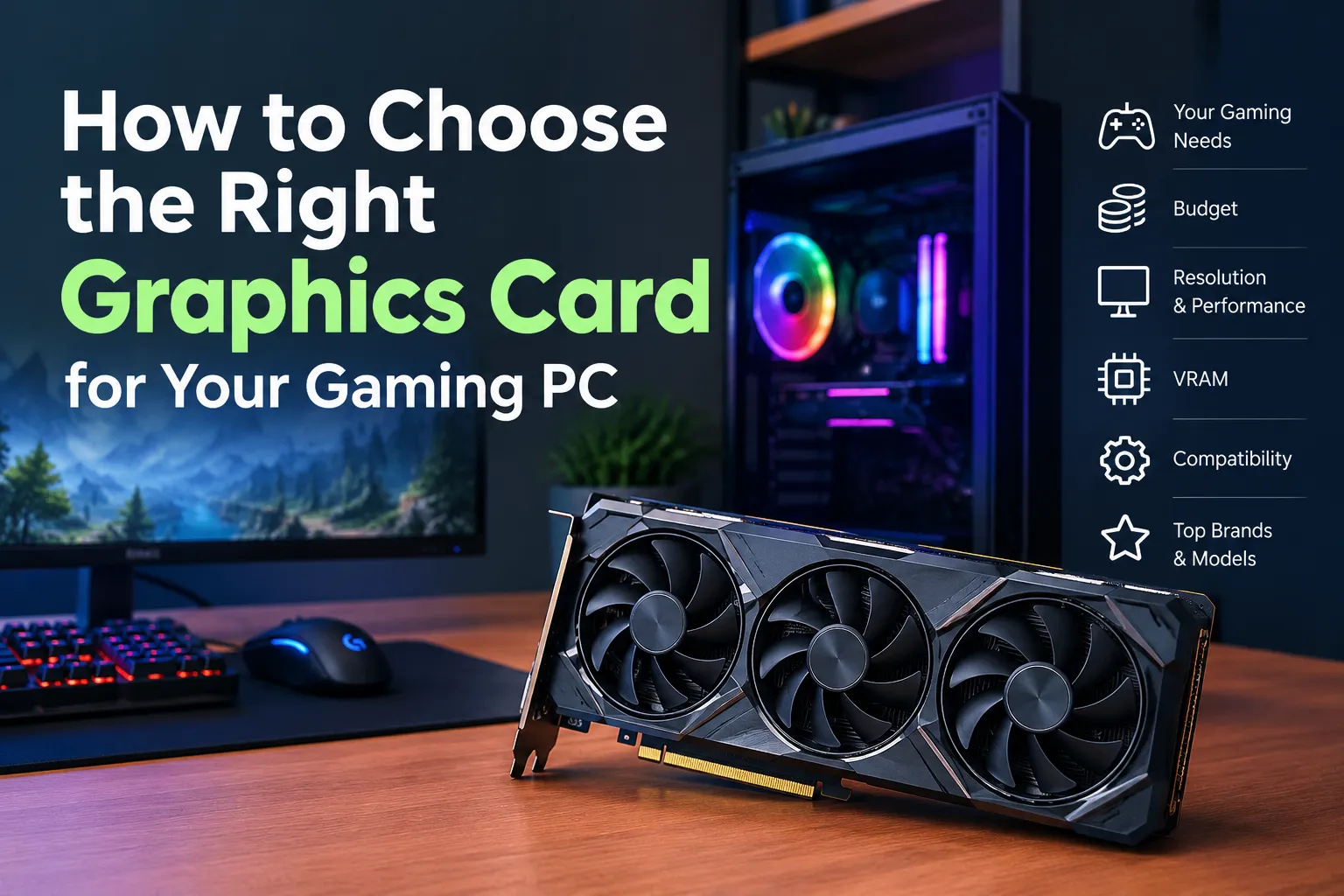
- Upgrade Your PC or Console Wisely: For tethered VR, balance GPU and CPU power. GPUs like NVIDIA’s RTX 5090 series paired with high-speed DDR5 RAM deliver buttery smooth experiences.
- Optimize Your Play Space: Clear obstacles and use VR mats or boundary systems to avoid accidents. Some headsets now offer real-time spatial mapping to warn players when approaching physical objects.
- Experiment with Accessories: Haptic gloves, treadmills, and enhanced audio peripherals can deepen immersion but check compatibility first.
- Keep Firmware and Drivers Updated: Manufacturers often release performance and comfort improvements post-launch, so stay current.
Additionally, be aware of potential VR fatigue and motion sickness. Gradually increasing session lengths and taking breaks can help your brain adjust to the sensory inputs. Developers are also improving locomotion methods, such as teleportation or arm-swinging, to reduce discomfort.
"Successful VR gaming is where tech meets human factors. The best headset is the one that feels like an extension of your senses, not a gadget you wear." – VR ergonomics researcher at University of Southern California
Metaverse U-Turns and the VR Ecosystem Shift
2026 has been a pivotal year for VR beyond just gaming hardware. Following Mark Zuckerberg’s recent pivot away from the metaverse-first strategy, the industry is embracing a more pragmatic, user-focused approach. The Conversation highlights how this shift refocuses development on tangible gaming and utility applications rather than abstract social virtual spaces.
This evolution has energized indie developers and mid-tier studios to innovate within VR’s sweet spot: immersive gameplay and productivity tools. It also impacts headset design, with an emphasis on mixed reality features that enhance rather than replace the real world.
Moreover, cloud gaming integration with VR is gaining traction, reducing dependence on local hardware. Services like NVIDIA GeForce Now VR and Xbox Cloud Gaming are experimenting with VR streaming, making high-end experiences accessible on lighter devices.
The esports scene, too, is adapting. VR tournaments are becoming more mainstream, with better spectator modes and broadcasting tools that allow viewers to experience matches from immersive angles. This crossover is expanding VR’s cultural footprint and validating it as a competitive medium.
What’s Next? The Road Ahead for VR Gaming
Looking forward, the trajectory of VR gaming points toward even deeper immersion, smarter AI integration, and more seamless social connectivity. Here’s what I’m keeping a close eye on:
- AI-driven Adaptive Content: Games that dynamically respond to player behavior and preferences will create personalized challenges and narratives.
- Lightweight, All-in-One Headsets: Next-gen models promise ultra-portability with improved battery life and graphics—think lightweight gear rivaling smartphones in convenience.
- Expanded Mixed Reality: AR and VR will blend further, enabling games that interact with your real environment in innovative ways.
- Cross-platform Ecosystems: More interoperability between PC, console, and standalone headsets will break down platform silos.
- Haptic and Sensory Feedback: Advanced suits and gloves that simulate touch, temperature, and resistance will deepen immersion.
For gamers ready to jump in or upgrade, focusing on versatile, comfortable, and future-ready gear is key. Checking out detailed breakdowns in articles like April 2026: Exploring the Future of Virtual Reality Gaming and Top Headsets and Common Mistakes in Virtual Reality Gaming and Best Headsets in 2026 can help avoid rookie errors and spot emerging trends.
Real Talk: Case Studies from the VR Frontlines
Nothing beats learning from real-world VR setups pushing boundaries. Take the recent VR esports championship held in Los Angeles, where players wielded Valve Index 2 rigs with custom haptic feedback gloves. The ultra-low latency and finger tracking allowed competitors to execute lightning-fast moves unseen in traditional esports.
On the casual side, Meta Quest Pro 2 users have reported how mixed reality features transform their living rooms into interactive battlefields or escape rooms, blending gameplay with physical space. Streamers on Twitch use Quest’s wireless freedom to engage audiences with dynamic, room-scale interactions that elevate the viewing experience.
Developers have also leveraged HTC Vive XR Elite’s versatility to prototype serious VR productivity apps, merging gaming tech with work tools to boost creativity and collaboration remotely.
These examples underscore how the right headset, paired with thoughtful setup and accessories, creates unique, memorable VR experiences that push the medium forward.
Final Thoughts: Level Up Your VR Experience Today
Virtual reality gaming is no longer a niche novelty—it’s a vibrant ecosystem reshaping how we play, compete, and connect. The key to unlocking its full potential lies in making informed hardware choices, optimizing your gaming environment, and staying plugged into the latest developments.
As VR tech continues to evolve, keeping an eye on emerging trends and expert insights ensures you’re ready to dive into the next immersive adventure without hassle. Whether you’re chasing high-score glory or new worlds to explore, the right gear and know-how will make all the difference.
For those hungry to go deeper, check out comprehensive guides like The Future of VR Gaming and Top Headsets in 2026 and tap into the growing VR community to share tips and experiences.
So, gear up, calibrate those sensors, and get ready to step into the future of gaming—where the virtual becomes your new reality.























Sign in to leave a comment.