

A match starts before the hardware even arrives
A few years ago, saying you could boot a big-budget game on a low-spec laptop, a phone, or a smart TV still sounded like streamer hype. Now it is just part of the conversation. You see it when someone in Twitch chat says they are running a demanding title on a Chromebook. You hear it when esports fans debate whether low-latency streaming can ever be tournament-ready. And you feel it every time a platform promises instant access with no downloads, no patches, and no five-hundred-dollar box under the desk. That promise is the whole boss fight for cloud gaming.
The future of cloud gaming platforms compared is not really about who has the flashiest app icon. It is about infrastructure, licensing, latency control, business models, and whether players trust a service enough to build a library around it. According to TechTimes’ comparison of cloud gaming services in 2026, the category has matured into a real alternative for many players, especially those who value convenience over absolute local performance. International Business Times made a similar point in its 2026 cloud-versus-console analysis, arguing that the comparison now turns less on novelty and more on cost, responsiveness, and ecosystem lock-in.
That shift matters. Cloud gaming has moved out of the experimental lobby and into a more serious ranked match. The platforms still differ wildly, though. Some are best treated as remote gaming PCs. Others act more like subscription content libraries. A few are trying to become the Netflix of high-end interactive entertainment, and that ambition is expensive. If you are trying to figure out which model has the strongest late-game, it helps to start with a clean map. For a broader baseline, WriteUpCafe readers can pair this analysis with Complete Guide to Cloud Gaming Platforms Compared and Cloud Gaming Platforms Compared: Performance, Features, and Future Trends.
Cloud gaming’s future will not be decided by raw server power alone. It will be decided by who makes streaming feel invisible.
That is the key lens for comparing the field in 2026 and beyond. The winner is unlikely to be the company with the loudest launch trailer. It will be the one that hides complexity, cuts friction, secures content, and keeps latency low enough that players stop thinking about the cloud at all.
How the market got here after years of false starts
Cloud gaming has always looked amazing in theory. Why buy expensive hardware if a distant server can do the heavy lifting? The problem was never the pitch. The problem was the stack behind it. Earlier generations struggled with unstable broadband, inconsistent controller support, weak mobile networks, and codec limitations that made image quality crumble the moment a scene got busy. Players noticed every hitch. Aiming felt mushy. Compression artifacts turned dark scenes into soup. The dream was real, but the execution often got bodied.
What changed was not one magic patch. It was several systems leveling up at the same time. Fiber penetration improved in many markets. Home Wi-Fi got better. Data centers moved closer to users. Video encoding became more efficient. Controllers and platform apps became more standardized. Smart TVs and handhelds also created more screens that could benefit from cloud access. Suddenly, cloud gaming was not just a backup plan for people without consoles. It became a flexible access layer across devices.
Business strategy evolved too. Earlier services often assumed players would accept a closed content model with limited ownership expectations. That turned out to be risky. Users wanted clarity: am I renting access to a catalog, streaming games I already own, or paying for remote hardware? The modern market now roughly breaks into three models:
- Subscription library services that bundle access to selected games for a monthly fee.
- Bring-your-own-library services that let users stream titles they already purchased through supported storefronts.
- Cloud PC models that rent remote computing power and leave game acquisition mostly to the player.
Each model solves a different problem. Library services are easiest for casual players. Bring-your-own-library systems appeal to users who hate rebuying games. Cloud PC options attract enthusiasts who want flexibility, mod support, or access to storefront ecosystems. The catch is that none of these approaches is perfect. Licensing can pull games from libraries. Remote PC access can be pricier. Catalog-first platforms can feel amazing until the one title you want is missing.
That is why the future of cloud gaming platforms compared is really a question of strategic fit. It is not enough to stream games. A platform has to answer a basic player concern: why should I trust this setup with my time, money, and save files?
The real comparison: latency, image quality, libraries, and cost
When gamers compare cloud platforms, the loudest argument usually starts with latency. Fair enough. If a game feels delayed, the rest of the feature list is basically cosmetic. Fast-twitch shooters, fighting games, and rhythm titles still punish even small response gaps. Single-player RPGs, strategy games, card battlers, and turn-based titles are much more forgiving. So the first rule of comparison is simple: the best cloud platform depends heavily on what you actually play.
Still, latency is only one stat on the HUD. Image quality matters almost as much. A service can produce decent response times but still look soft because of aggressive compression or bitrate limits. Resolution claims also need context. A platform advertising 4K support does not guarantee local-PC sharpness. Motion handling, macroblocking, HDR implementation, and network stability all shape the experience. According to International Business Times in its 2026 comparison of cloud and console gaming, user experience often hinges on consistency rather than peak specs. That tracks with what players report all the time: a stable 1080p stream can feel better than a supposedly premium 4K stream that stutters during combat.
The third category is content. This is where a lot of platforms either clutch the win or throw the match. A cloud service without compelling games is just expensive infrastructure. Exclusive content, publisher partnerships, and storefront integration all matter. If a service supports major PC libraries, it gains instant value. If it relies on a narrow rotating catalog, it must keep that catalog fresh enough to prevent churn.
Cost is where the conversation gets spicy. Monthly pricing can look cheap compared with buying a console or gaming PC, but long-term economics vary a lot:
- Low upfront cost makes cloud gaming attractive for new players or budget-conscious households.
- Ongoing subscription fees can overtake hardware savings over several years, especially if users stack multiple services.
- Game ownership questions become critical when access depends on licensing deals or platform support.
- Peripheral and internet costs still matter, especially if users upgrade routers, controllers, or data plans.
TechTimes highlighted these trade-offs in April 2026, noting that cloud gaming makes the most sense when users prioritize convenience, portability, and lower entry costs over top-tier native performance. That is a solid read. For many players, cloud gaming is not replacing every other format. It is complementing them. A lot of users still want local hardware for competitive play and cloud access for travel, secondary screens, or quick sessions.
The strongest cloud platform is not necessarily the one with the highest advertised resolution. It is the one that makes players forget they are streaming.
That distinction separates marketing from reality. If the controls feel right, the stream holds up under motion, and the game library matches the player’s taste, the platform has a future. If not, no amount of spec-sheet flexing will save it.
Where major platform models stand in 2026
By 2026, the market is clearer than it was during the early scramble. The surviving and relevant cloud gaming approaches have mostly settled into distinct lanes. First, there are subscription ecosystems tied to larger media or gaming services. Their advantage is frictionless onboarding. Open the app, pick a game, and start. This model works best when the provider already has a recognizable brand, controller support across devices, and enough first-party or partner content to keep players logging in.
Second, there are platforms built around existing game ownership. These are popular with PC players because they reduce the sting of buying into yet another walled garden. If the service supports titles from major storefronts, users can treat the cloud as an access method rather than a separate library. That is a huge psychological win. Gamers hate feeling like their purchases are trapped.
Third, there is the cloud PC route. This remains the most flexible but also the most demanding. It can support broader use cases, including mods, launchers, and non-gaming tasks depending on the service rules. For power users, that versatility is cracked. For casual players, it may feel like too much setup. Convenience is part of the product, and not everybody wants to troubleshoot a remote desktop before raiding with friends.
What has changed recently is that platforms are being judged less by novelty and more by retention. Can they keep users month after month? Can they secure enough content to stop churn? Can they serve mobile, TV, desktop, and handheld play without turning the account experience into a maze? Those questions are now more important than launch-day hype.
For readers who want a more practical consumer angle, How to Get Started With Cloud Gaming Platforms Compared in 2026 and What You Need to Know About Cloud Gaming Platforms Compared are useful companion reads. They help frame the difference between evaluating a service as a tech demo and evaluating it as something you might actually use every week.
One more thing stands out in 2026: cloud gaming is no longer only about replacing the console. It is also about extending ecosystems. A console maker, publisher, or storefront owner can use cloud delivery to keep users engaged when they are away from their primary hardware. That may prove more sustainable than trying to force every player into a cloud-only future.
2026 developments changing the next phase of competition
The biggest shift in 2026 is that cloud gaming is increasingly judged as part of a broader platform strategy rather than a standalone moonshot. Companies now understand that cloud streaming can reduce hardware barriers, increase subscription stickiness, and expand access in markets where premium consoles or gaming PCs remain expensive. That does not mean every service is thriving. It means the role of cloud has become more practical and less speculative.
Recent coverage from International Business Times emphasized that player experience in 2026 depends on a mix of internet quality, service optimization, and pricing discipline. That point is crucial because the category’s next challenge is not awareness. Most gamers know cloud gaming exists. The challenge is proving repeat value. A flashy free trial can get users in the door. A reliable weekly experience keeps them there.
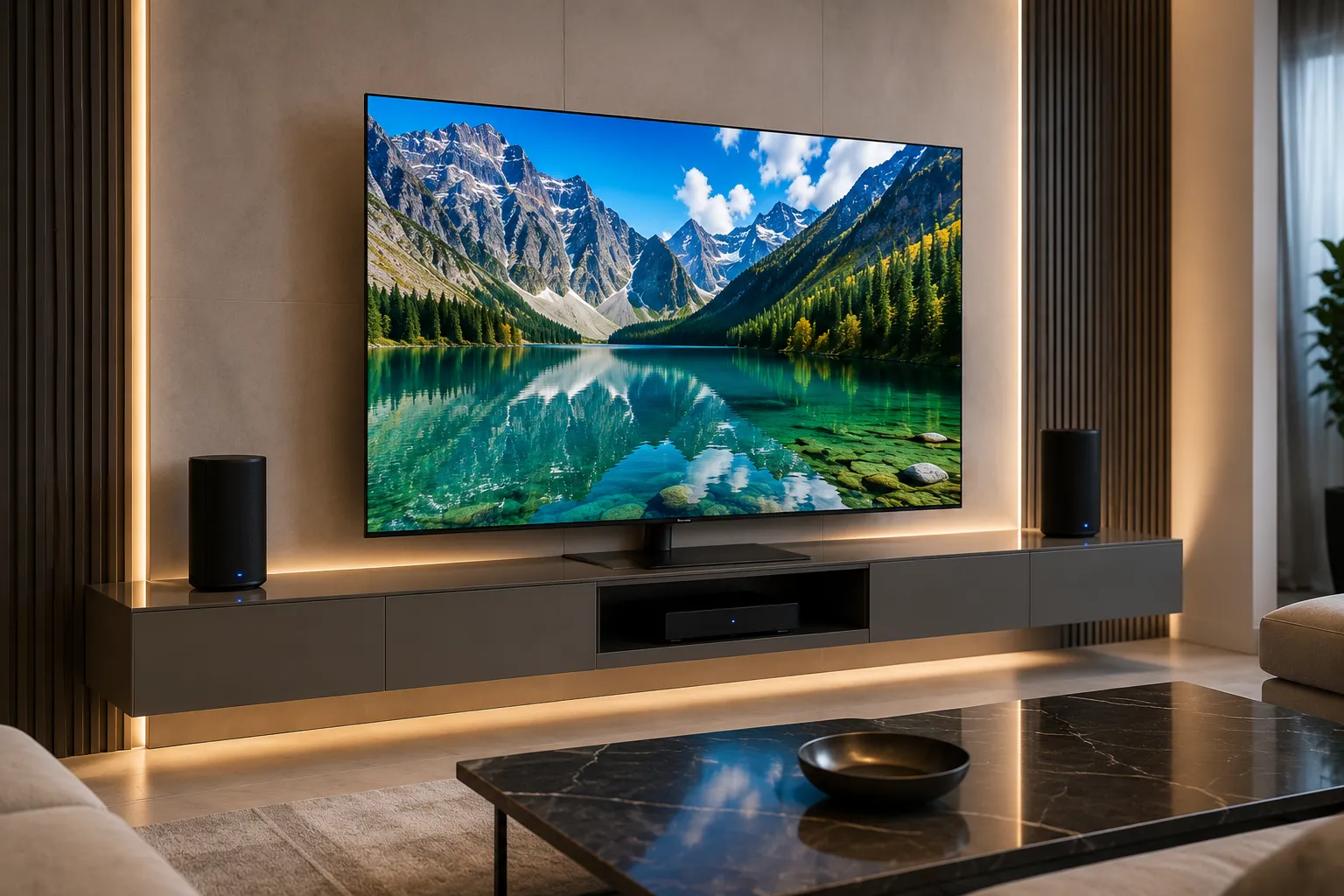
Another development is the wider normalization of cloud play on nontraditional gaming devices. Smart TVs, tablets, lightweight laptops, and handheld companion screens matter more than they did a few years ago. This expands the audience beyond hardcore PC and console loyalists. Parents, students, and apartment dwellers who do not want bulky hardware are more reachable now. So are players who split time between home and travel. Convenience remains cloud gaming’s strongest buff.
Network tech is also helping, though not evenly. Better home broadband and improved wireless conditions in some regions have reduced the worst-case experience, but geography still decides a lot. If a user lives far from a well-provisioned data center, no amount of branding can erase the physics. That is why geographic coverage remains one of the least glamorous yet most decisive competitive factors.
Publishers are paying attention too. Some are more open to platform flexibility because cloud can extend the life of older titles and reach users who would never buy a high-end machine. Others remain cautious about licensing, revenue splits, and control. The next phase of growth may depend less on technical capability and more on content negotiations. In gaming, the netcode can be excellent, but if the roster is weak, the crowd leaves.
Esports, creators, and why cloud gaming still has a skill gap
Ask any competitive player and you will get the same immediate pushback: can cloud gaming really handle esports? Right now, for the highest levels of competition, local hardware still has the edge. That is not shade. It is just reality. Tournament environments demand consistency, minimal input lag, and tightly controlled variables. Even tiny delays matter when rounds are decided by frames or by a flick that lasts less than a heartbeat.
But writing cloud gaming off entirely in esports would miss the bigger play. Its future role may be less about replacing tournament rigs and more about widening the competitive funnel. Think practice access, amateur ladders, instant scrims, coaching sessions, spectator modes, and low-cost entry into games with high hardware demands. If a teen can train on a modest device through the cloud instead of waiting years to afford a gaming PC, the talent pool gets broader. That matters.
Creators and streamers are another huge factor. Cloud gaming can shorten the path from curiosity to content. A streamer can test a title quickly without a massive install. A creator traveling for an event can still access games from a hotel setup. A variety streamer can bounce between genres with less friction. For audiences, that fluidity increases visibility for the platforms that make it work smoothly.
There are still pain points:
- Competitive integrity remains a concern for top-tier esports due to latency variance.
- Visual compression can hurt readability in fast games, especially for spectators and analysts.
- Regional availability limits equal access across player bases.
- Publisher support determines whether ranked ecosystems integrate cleanly with cloud access.
Even so, cloud gaming can become a meaningful grassroots tool. It is easier to imagine it powering the path to competition than the grand finals themselves. And honestly, that is still a big deal. Not every tech has to headline the main stage to change the meta.
What the strongest platforms will need to win the long game
The future winners will probably not be the services that promise everything to everyone. They will be the ones that pick a lane and execute with ruthless consistency. A library-first service needs must-play content and simple pricing. A bring-your-own-library platform needs broad storefront support and transparent compatibility. A cloud PC provider needs reliability, flexibility, and enough polish to keep setup friction from becoming a rage quit.
Three strategic advantages look especially important from here. First is ecosystem integration. If cloud access is tied naturally to a user’s existing purchases, friends list, saves, and subscription perks, adoption gets easier. Second is infrastructure density. The closer a provider can place compute resources to users, the better the chance of keeping latency low and session quality stable. Third is trust. Players need confidence that their purchases, progress, and access will not vanish because a platform changes direction.
There is also a branding trap companies should avoid. Cloud gaming should not be sold only as a replacement for consoles or PCs. That framing sets up an unwinnable argument against local hardware’s best-case performance. A smarter pitch is flexibility. Play the same game on the TV, the laptop, the tablet, or while traveling. Skip downloads. Jump back in instantly. Treat the cloud as an extension of gaming life, not a forced migration.
For consumers trying to read the field, a few practical signals matter more than marketing trailers:
- How often does the platform add or lose notable games?
- Does it support the libraries or subscriptions you already use?
- How transparent is it about resolution, bitrate, and latency expectations?
- Can it handle your preferred genre, not just a benchmark demo?
- Is the pricing sustainable after the intro offer ends?
If a service checks those boxes, it has a shot at long-term relevance. If it cannot, the future gets shaky fast. Gamers are loyal when a platform respects their time. They are ruthless when it does not.
The outlook: cloud gaming grows, but not in the way early hype predicted
So who wins next? Probably not a single platform in the total-domination sense. The more likely future is a layered market. Some players will use cloud as their main way to game because it is cheaper and more convenient. Others will use it as a sidecar to console or PC ownership. Publishers and platform holders will keep testing which mix of subscriptions, storefront integration, and device reach creates the best retention. That means the future of cloud gaming platforms compared is less a winner-take-all bracket and more a class system where different services excel for different audiences.
The strongest growth case is among users who value access over ownership rituals and convenience over hardware tinkering. Students, families, casual players, travelers, and people in smaller living spaces are obvious candidates. The hardest sell remains the hardcore competitive crowd and enthusiasts who care deeply about native image quality, mods, peripheral customization, and absolute responsiveness. Cloud can win some of them over for secondary use, but replacing their main setup is another story.
That is not a failure. It is maturity. Tech categories become useful when they stop pretending to solve every problem. Cloud gaming’s likely future is as a permanent layer of the gaming ecosystem, not a universal replacement for every local machine. According to TechTimes and International Business Times, the category in 2026 already shows that split clearly: cloud is good enough for many situations and still compromised in others. That is a realistic, healthy place for the market to be.
If I had to call the next few rounds, I would say the platforms with the best shot are the ones that combine broad content access, low-friction apps, strong cross-device support, and clear value. No smoke. No vague promises. Just a service that boots fast, plays clean, and fits into the way people actually game. That is the real endgame. Not replacing every box under the TV, but making hardware feel less like a gatekeeper.
And for gamers? Keep your expectations sharp. Test on your own network. Judge by your favorite genres, not by promo clips. Watch the content pipeline and the pricing model. The future is definitely cloudier than it used to be, but that does not mean every platform is built for the same raid. Pick the one that matches your playstyle, and you will be ahead of the meta.



















Sign in to leave a comment.