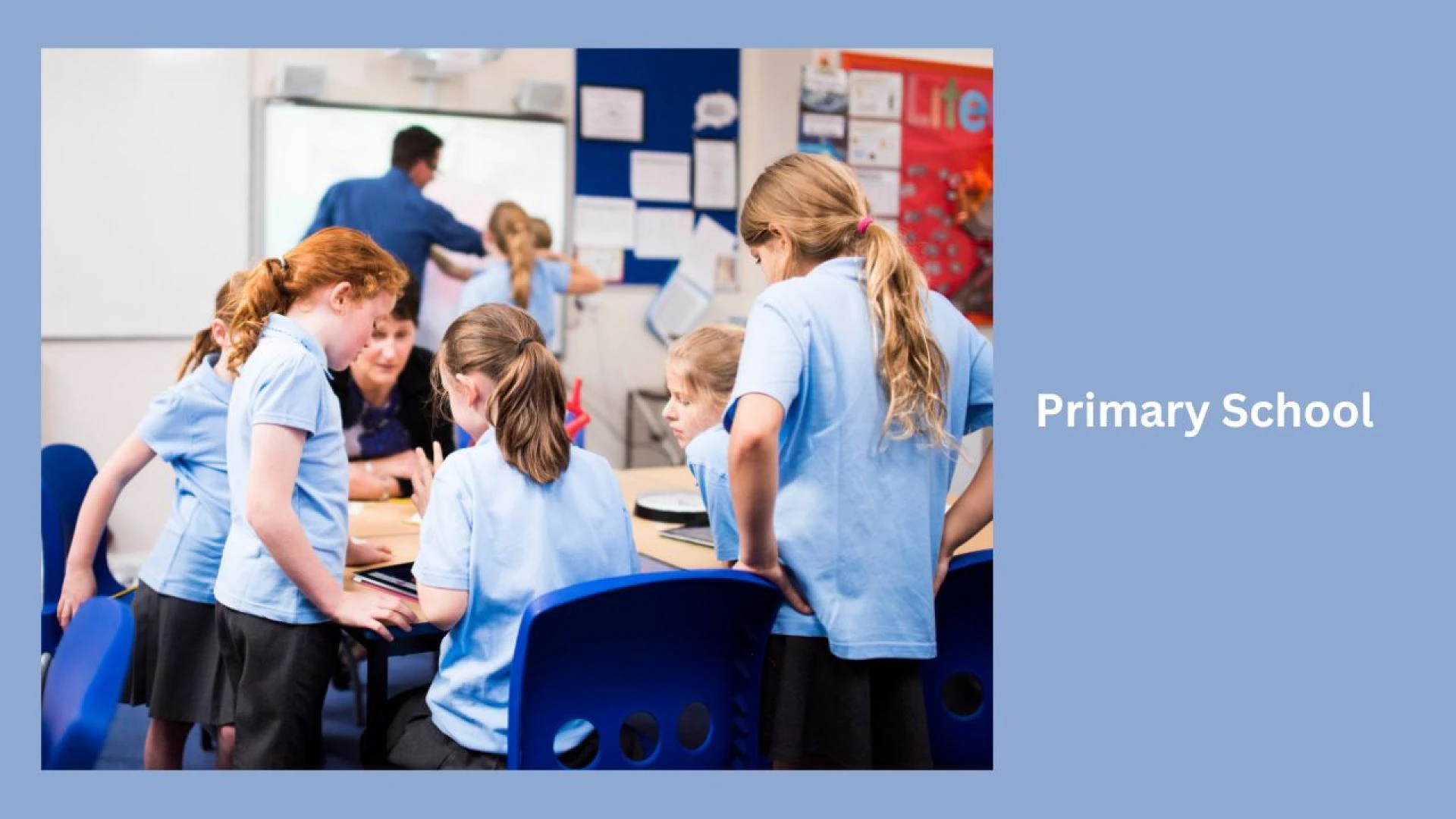

lay, often perceived merely as a leisure activity, notably embodies a powerful educational tool, particularly in the realm of primary school education. As advocates for a well-rounded, inclusive educational approach, we underscore the pivotal role of play-based learning in early childhood education, exploring its multifaceted benefits and practical integration into curricular design.
The Quintessential Role of Play in Learning
Nurturing Holistic Development
In the tender years of primary school, children are on a steep trajectory of growth and development, extending beyond merely academic achievements. Play contributes substantially to nurturing a holistic development approach, where socio-emotional, cognitive, and physical development are concurrently addressed. Children engaging in play are not merely 'playing'; they are exploring the world, understanding social norms, and learning to navigate through various situations, which inherently supports their all-rounded development.
Advocating for "Pretend Play"
Among the myriad of play types, "pretend play" has been spotlighted for its exceptional contributions to young learners' cognitive and social development. Children, while indulging in pretend play, naturally traverse through imaginative scenarios, which cultivates creativity, fosters cognitive development, and strengthens their socio-emotional skills. The act of negotiating roles, abiding by self-established rules, and navigating through imaginative worlds helps children develop critical thinking and cooperative social skills that are instrumental throughout life.
Merging Play and Formal Education
Seamlessly Weaving Play into Curricular Activities
Educators, entrusted with the significant task of shaping the futures of young learners, must skillfully weave play into their teaching practices. Play-based learning should not be isolated from formal learning but, instead, be integrated into the curriculum to form a symbiotic relationship with structured educational activities. This integration aids in constructing a learning environment where children inherently engage in educational experiences, through play, without a rigid, pressurizing educational framework.
Real-World Learning through Play
Moreover, by embedding real-world scenarios in play, educators can fortify the learning experiences of children. For example, a “marketplace” pretend play scenario could incorporate mathematical concepts through trading activities, or a “medical camp” setup could introduce basic biology and empathy towards the ailing. This not only ensures that children derive fun from learning activities but also that the learning is contextually relevant and relatable.
Supporting Research and Case Studies
Unveiling the Robust Body of Research
Numerous research studies, across varied cultural and social settings, resonate with the consensus regarding the value of play within the school curriculum. Cognitive psychologists and education researchers affirmatively validate that children, when engaged in play, exhibit enhanced memory retention, improved problem-solving skills, and better adaptability to changing rules and scenarios. They internalize lessons learned during play, translating them into practical applications in other realms of their lives.
Advocacy for Play-Based Curriculum
Considering the significant, research-backed benefits of play in children’s development, advocacy for a play-based curriculum becomes paramount. Educators and policymakers should diligently work towards acknowledging and incorporating the versatile learning medium of play within educational environments, ensuring that children reap its benefits in their formative years, paving a sturdy foundation for future learning.
Practical Implications and Future Directions
Implementing Play in Diverse Educational Settings
Implementation of a play-based curriculum necessitates a nuanced understanding of diverse educational settings and cultural contexts. It demands customization in approach – adapting play modes, content, and objectives to align with the socio-cultural and educational norms of a community. Furthermore, practical strategies for integrating play within conventional teaching methodologies should be formulated, ensuring a balanced, effective blend of structured and unstructured learning experiences.
Empowering Educators and Facilitating Continual Learning
Educators, central to effective play-based learning, must be empowered and trained to facilitate such an environment. Professional development programs emphasizing the importance, techniques, and strategies for implementing play-based learning can significantly enhance educators’ capabilities to effectively merge play and formal education.
Fostering a Collaborative Learning Community
Beyond the walls of classrooms, fostering a collaborative community involving educators, parents, and learners is vital to sustain and enhance play-based learning. Sharing insights, feedback, and innovative play-learning strategies among these stakeholders can incessantly refine and innovate play-based learning approaches, ensuring their continual relevance and effectiveness in the dynamically evolving educational landscape.
Conclusion
While traditional educational methodologies have their own merits, the incorporation of play-based learning, particularly in the primary school years, brings forth a plethora of advantages that holistically cater to a child’s development – academically, socio-emotionally, and physically. Guided by a robust body of research, it is an educational imperative to assimilate play into the curriculum, creating vibrant, engaging, and effective learning environments that nurture future generations comprehensively.

























Sign in to leave a comment.