
Aerospace systems engineering is a dynamic field that combines cutting-edge technology with complex problem-solving to design, develop, and maintain aircraft and spacecraft systems. From advanced avionics to propulsion systems, professionals in this domain play a critical role in shaping modern aviation and space exploration. In this article, we will explore what aerospace systems engineering entails, its applications, career opportunities, and future trends, giving you a clear understanding of why this field is essential. If you’re curious about joining this innovative industry, learning about its key components is a great first step. For more insights, check out Aerospace systems engineering.
What Is Aerospace Systems Engineering?
Aerospace systems engineering is a multidisciplinary field that focuses on the integration of various engineering disciplines to develop complex aerospace systems. These systems can include aircraft, satellites, rockets, and unmanned aerial vehicles (UAVs). Unlike traditional engineering, aerospace systems engineering requires a holistic approach, considering aerodynamics, materials science, propulsion, avionics, and control systems all together.
The role of aerospace engineers extends beyond design. They are responsible for testing, validation, troubleshooting, and ensuring that all components work harmoniously. This requires not only technical expertise but also strong project management and analytical skills.
Key Components of Aerospace Systems
Aerodynamics
Aerodynamics is the study of how air interacts with moving objects. In aerospace systems engineering, understanding airflow over wings, fuselages, and rotor blades is crucial for efficiency, stability, and safety. Engineers use computational fluid dynamics (CFD) and wind tunnel testing to optimize designs.
Propulsion Systems
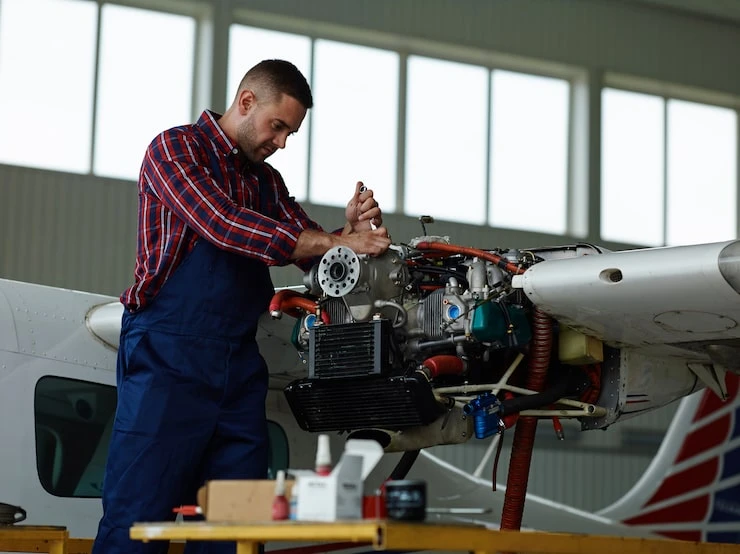
Propulsion systems provide the necessary thrust for aircraft and spacecraft. This includes jet engines, rocket motors, and electric propulsion systems. Aerospace systems engineers must ensure these systems are efficient, reliable, and compliant with safety standards.
Avionics and Control Systems
Avionics includes all electronic systems used in aerospace vehicles, such as navigation, communication, and flight control systems. Engineers specializing in avionics work closely to integrate sensors, software, and hardware. A career as an avionics systems engineer can involve designing flight control systems, developing navigation algorithms, or testing communication modules for aircraft.
Materials and Structures
Aircraft and spacecraft are subjected to extreme conditions, including high speeds, pressure changes, and temperature variations. Aerospace engineers must select materials that are strong, lightweight, and durable. Common materials include aluminum alloys, titanium, and composites.
Systems Integration and Testing
Aerospace systems engineering emphasizes the integration of all components into a functional whole. Engineers conduct rigorous testing and simulations to ensure that subsystems work together without failure. Testing can involve software simulations, lab experiments, and real-world flight trials.
Career Opportunities in Aerospace Systems Engineering
The aerospace industry offers diverse career paths, ranging from design and manufacturing to testing and maintenance. Some notable roles include:
- Aerospace Engineer: Focuses on designing aircraft, spacecraft, or defense systems.
- Systems Engineer: Ensures that all engineering disciplines work cohesively on complex projects.
- Avionics Systems Engineer: Specializes in the development and integration of electronic systems.
- Flight Test Engineer: Conducts testing to validate the performance and safety of aerospace vehicles.
- Project Manager: Oversees aerospace projects from concept to completion.
The demand for aerospace engineers is growing due to increasing interest in commercial space exploration, UAV technology, and sustainable aviation solutions.
Emerging Trends in Aerospace Systems
Electric and Hybrid Propulsion
With global emphasis on sustainability, aerospace systems engineers are exploring electric and hybrid propulsion methods. These technologies reduce emissions and fuel consumption, making air travel more eco-friendly.
Autonomous Flight Systems
Autonomous drones and aircraft are becoming increasingly common. Engineers are developing advanced algorithms and sensors to enable safe and efficient autonomous flight, from delivery drones to urban air mobility vehicles.
Space Exploration and Satellites
The commercial space industry has opened new opportunities for aerospace engineers. Designing satellite constellations, deep-space probes, and reusable rockets requires advanced systems engineering knowledge and innovation.
Digital Twin Technology
Digital twins simulate real-world systems virtually, allowing engineers to predict behavior, optimize designs, and prevent failures before physical prototypes are built. This technology is revolutionizing aerospace testing and maintenance.
How to Become an Aerospace Systems Engineer?
- Education: Obtain a bachelor’s degree in aerospace, mechanical, or electrical engineering.
- Specialization: Focus on systems engineering, avionics, or propulsion through advanced courses or certifications.
- Experience: Gain hands-on experience through internships, research projects, or co-op programs.
- Professional Development: Join industry organizations, attend workshops, and stay updated with emerging technologies.
- Certifications: Consider certifications such as INCOSE Systems Engineering Professional (CSEP) to strengthen credibility.
Summary
Aerospace systems engineering is a challenging yet rewarding field that integrates multiple engineering disciplines to design and operate advanced aircraft and spacecraft. With careers in avionics, propulsion, aerodynamics, and systems integration, the industry offers opportunities for innovation, problem-solving, and exploration. Emerging trends like electric propulsion, autonomous flight, and space commercialization promise to expand the field further. For anyone passionate about technology, aviation, or space exploration, aerospace systems engineering provides a pathway to make a meaningful impact.
FAQ
1. What skills are essential for aerospace systems engineering?
Critical skills include problem-solving, analytical thinking, proficiency in software tools, knowledge of aerodynamics and propulsion, and strong communication abilities.
2. Can aerospace systems engineers work in the space industry?
Yes, many aerospace engineers work on satellites, space probes, and commercial space vehicles, contributing to design, testing, and system integration.
3. Is a specialization necessary in aerospace systems engineering?
Specializations like avionics, propulsion, or systems integration can enhance career opportunities, but a strong foundation in general aerospace principles is crucial.

























Sign in to leave a comment.