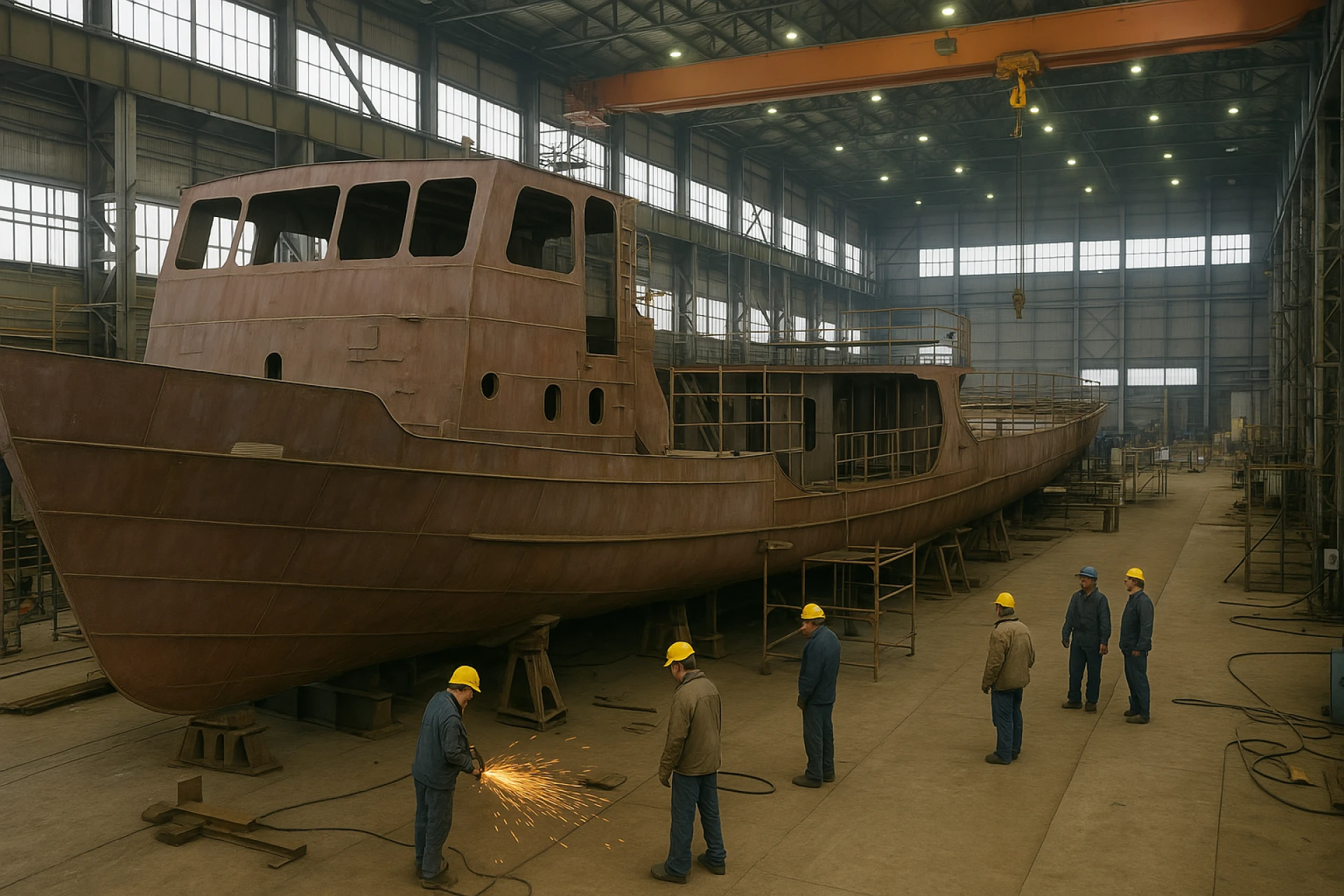

Shipbuilding is an ancient but ever-changing industry that has been instrumental in world trade and exploration for centuries. The construction of seafaring ships involves a combination of cutting-edge technology, creative design, and extensive knowledge of maritime engineering. For newcomers, it can be overwhelming to deal with the intricacies of shipbuilding today, but with knowledge of the new ideas that are transforming the industry, it is easier to marvel at the amazing progress being made. In this guide, we are going to touch on some of the most recent shipbuilding ideas and how innovation is transforming the design, construction, and maintenance of ships. We will also note the significant contributions of leading shipbuilding firms globally, especially in the UAE, as well as the increasing power of marine service providers in UAE in determining the maritime sector's future.
1. The Evolution of Shipbuilding: Understanding the Basics
Historically, shipbuilding was a process of hand craftsmanship in building big ships from wood and simple tools. As needs were increasing for speedier, safer, and more robust ships, shipbuilding underwent various changes with the introduction of steel, sophisticated welding technology, and more. Shipbuilding is a very advanced process now that involves engineering, design, technology, and materials science.
In 2023, the worldwide shipbuilding market was worth about $160 billion and is expected to develop at a CAGR of 4.3% until 2030, reflecting healthy demand and ongoing innovation in the market.
Contemporary shipbuilding begins with design, which may involve advanced computer-aided design (CAD) software to design every detail of the ship. After the design has been completed, construction follows, usually with steel for the hull and different materials for internal arrangements, such as electronics, plumbing, and engine parts. The process may involve a combination of traditional techniques and advanced technologies.
2. New Concepts in Shipbuilding: Innovation at the Core
Shipbuilding has evolved a long way from its conventional origins, and in recent years, numerous new ideas are transforming how ships are designed and operated. These are aimed at enhancing efficiency, lessening environmental footprint, and making more specialized ships. Below are some of the most innovative new ideas in shipbuilding:
Modular Shipbuilding
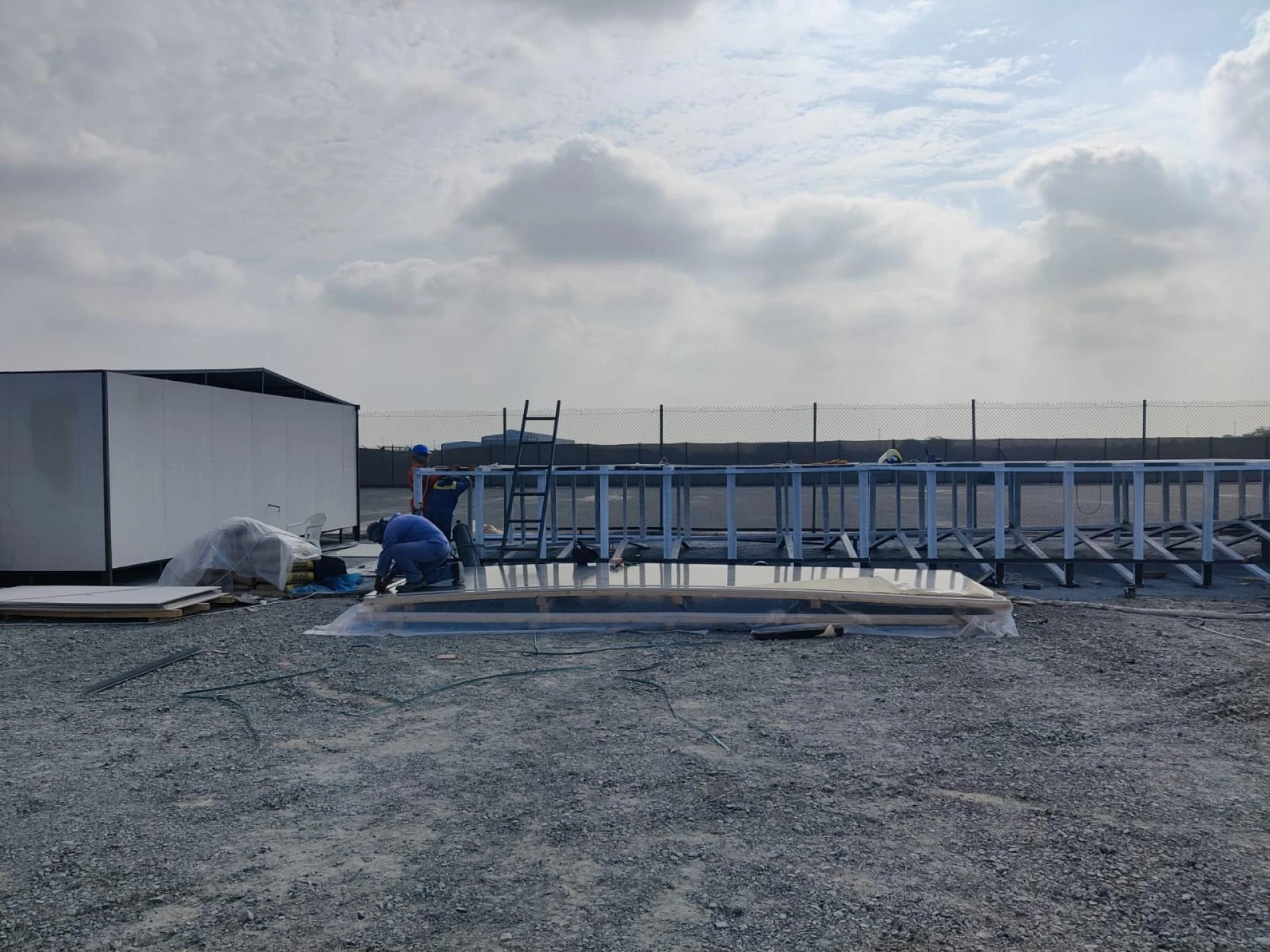
Modular shipbuilding is perhaps the most revolutionary idea to have surfaced in recent times. This process entails the building of ship sections, or "modules," in various locations in the shipyard. These modules are subsequently combined for final construction. The modular process enables quicker construction periods, better quality control, and increased design flexibility.
Most ship building companies in UAE have incorporated modular construction techniques to optimize their processes. Modular construction, as it happens, has been proven to cut down on construction time by as much as 30%, hence becoming a leading method for new generation shipyards.
Green and Sustainable Shipbuilding
Sustainability is right at the forefront of the world's industries, and shipbuilding is no different. The shipping industry has been a significant source of greenhouse gas emissions, and there is increasing pressure to lower the environmental footprint of ships. Arguably the most optimistic trend is the creation of "green" or sustainable ships.
The world market for environmentally friendly ships is anticipated to expand from $4.4 billion in 2022 to more than $10.2 billion by 2030, reflecting a major transformation towards green practices. The ships are made to be more fuel-efficient, made of eco-friendly materials, and lower carbon emissions. For instance, ships are being constructed with hulls that are made to minimize drag, thus enhancing fuel efficiency. Numerous new vessels are also driven by alternative energy sources such as LNG (liquefied natural gas), and solar energy.
The UAE is the leader in this green revolution in shipbuilding. UAE shipyards are increasingly being worked on by marine service providers to retrofit aging vessels to be more green-friendly, while UAE ship building companies are installing green technologies in new builds.
3D Printing in Shipbuilding
Additive manufacturing, or 3D printing, is another idea that is starting to take hold in the shipbuilding industry. 3D printing makes it possible to quickly print ship parts and components with high accuracy. The technology makes it possible to create custom parts, eliminates material waste, and accelerates the prototyping process.
Shipbuilding's 3D printing market is due to expand by over $400 million by 2026, with numerous firms already utilizing 3D printing to produce small components such as engine parts, pipe connectors, and even full-scale ship models for simulation.
One of the strengths of 3D printing for shipbuilding is that it is possible to manufacture complex, light-weight parts that would be challenging or impossible to produce using conventional techniques. This is especially handy for producing tiny components such as engine parts, valves, and fittings. With 3D printing, there is also the possibility of on-demand production, which is very convenient when ships require rapid repair or upgrading.
Robotics and Automation
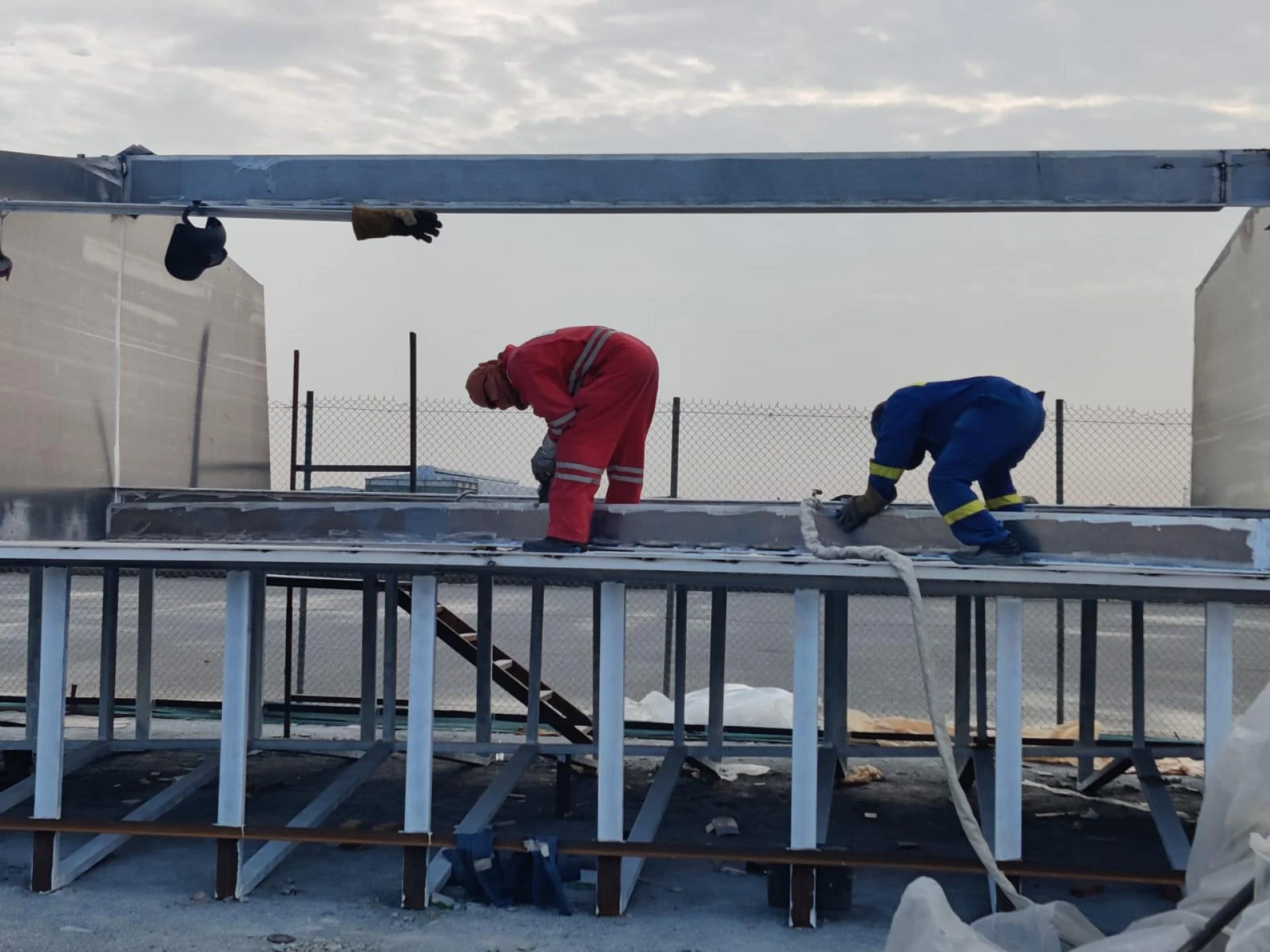
The use of robotics and automation in ship construction is on the increase, with increasing shipyards using automated technology for functions such as welding, painting, and assembly. Robotics enables improved accuracy, faster production, and lower labor expenses.
Indeed, the application of robotics in shipbuilding is forecasted to increase at a CAGR of 11.6% from 2021 to 2028. Robotic welding, for instance, is now part of routine practice in most big shipyards globally. The systems guarantee that the welding is performed with little or no error, producing stronger and more resilient ships. Robotics is also applicable in shipyards to clean, coat, and inspect components, minimizing the use of human labor in possibly hazardous or mundane functions.
Smart Ships: IoT and AI Integration
One of the most thrilling innovations in contemporary shipbuilding is the emergence of smart ships that include sensors, AI (Artificial Intelligence), and IoT (Internet of Things) technology to track the condition of the ship in real-time. With the incorporation of AI and IoT, smart ships can anticipate maintenance requirements, optimize fuel consumption, and provide improved overall performance.
The worldwide smart shipping industry will develop from $5.3 billion in 2020 to $12.8 billion by 2027, with the rising need for fuel-efficient, low-emission vessels. Smart ships are all a part of a wider movement in the maritime sector to improve the safety, efficiency, and operational capacity of ships. Smart ships have the ability to enable ship owners to save money by predicting maintenance requirements and avoiding expensive repairs. These vessels also serve up real-time data to enhance navigation, prevent collisions, and minimize environmental impact.
3. The Role of Leading Shipbuilding Companies
The world's leading shipbuilding firms have played a pivotal role in the development of shipbuilding methods and ideas. They are at the forefront of launching new technologies and green practices. Of these, South Korea's Hyundai Heavy Industries is one of the largest and most powerful in the sector, producing almost 30% of the world's ships in 2023.
Other major global players are Samsung Heavy Industries and Daewoo Shipbuilding & Marine Engineering (DSME), both of which spend heavily on research and development to spearhead the development of shipbuilding.
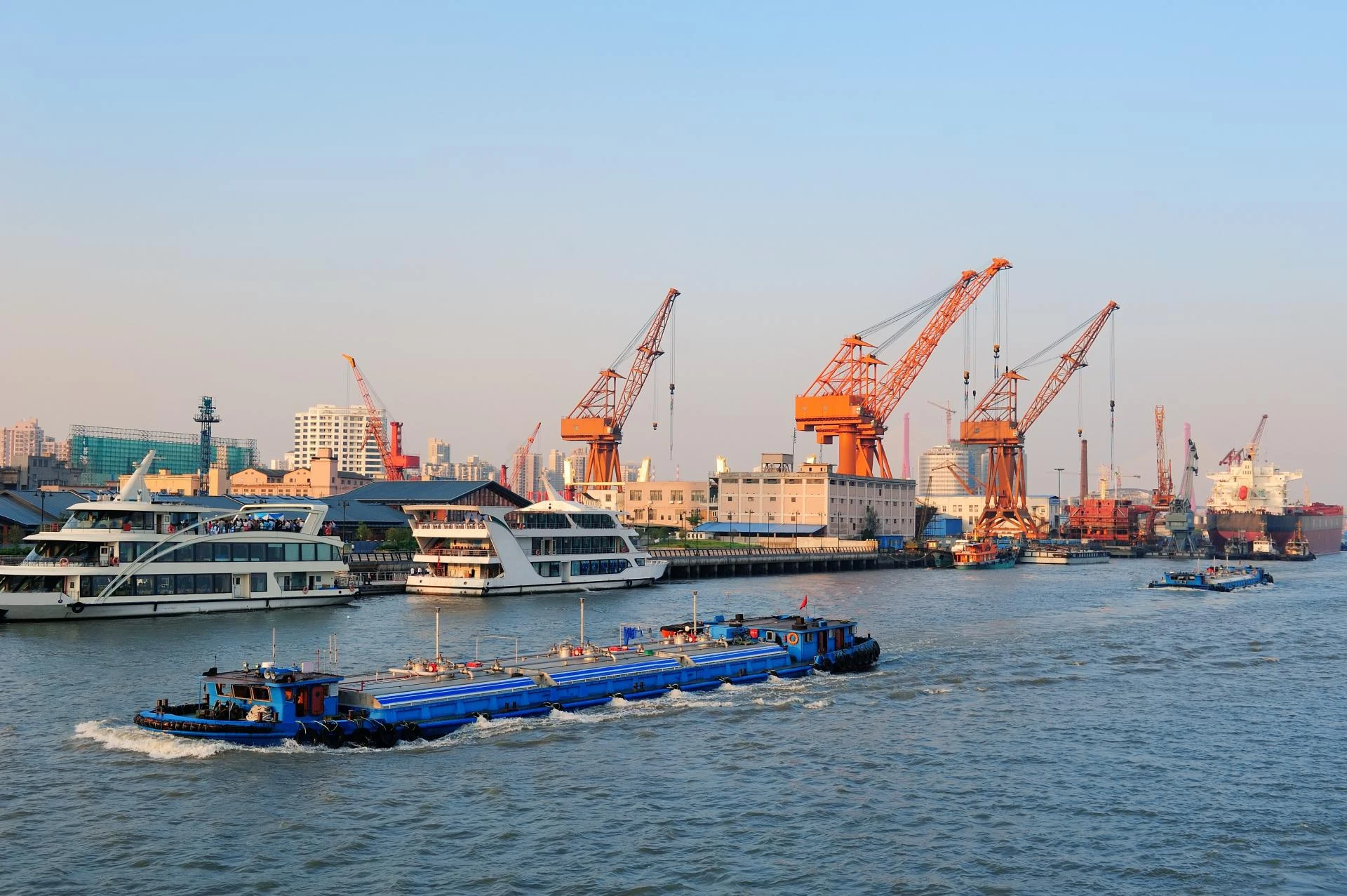
In UAE, ship building firms in UAE such as Dubai Drydocks World and Abu Dhabi Ship Building are contributing significantly to the regional shipbuilding industry. These firms have both domestic and foreign clients and build all types of vessels, including commercial vessels and military vessels.
4. UAE Shipbuilding Support Providers: Enabling Shipbuilding Innovation
The UAE plays a significant role in the global shipbuilding sector as well as its dynamic ecosystem of seaborne support centers in UAE. The centers offer main services including ship repair, maintenance, retrofitting, and modernization. Through their able capabilities, such vessels are maintained in spotless working condition, extending their working lives and minimizing lost time.
UAE shipping service providers have a significant role to play in keeping the world fleet up to date as UAE ports receive the lion's share of the world's largest fleets. They give maintenance to high-tech retrofitting operations for all parties to keep ships at new technology, safety, and environmental levels.
5. Conclusion: The Future of Shipbuilding
Shipbuilding is experiencing a miraculous transformation. New concepts such as modular shipbuilding, green shipbuilding processes, 3D printing, robots, and smart ships are transforming the boundaries of shipbuilding and ship design. The growing demand for cost-effective, environmentally friendly ships also impacts design and material innovation.
Being familiar with these new concepts as a beginner is a stepping stone towards learning about shipbuilding. The contributions of major top shipbuilding companies are still molding the whole maritime scene worldwide, while the rest of the world is trying to match that level.


























Sign in to leave a comment.