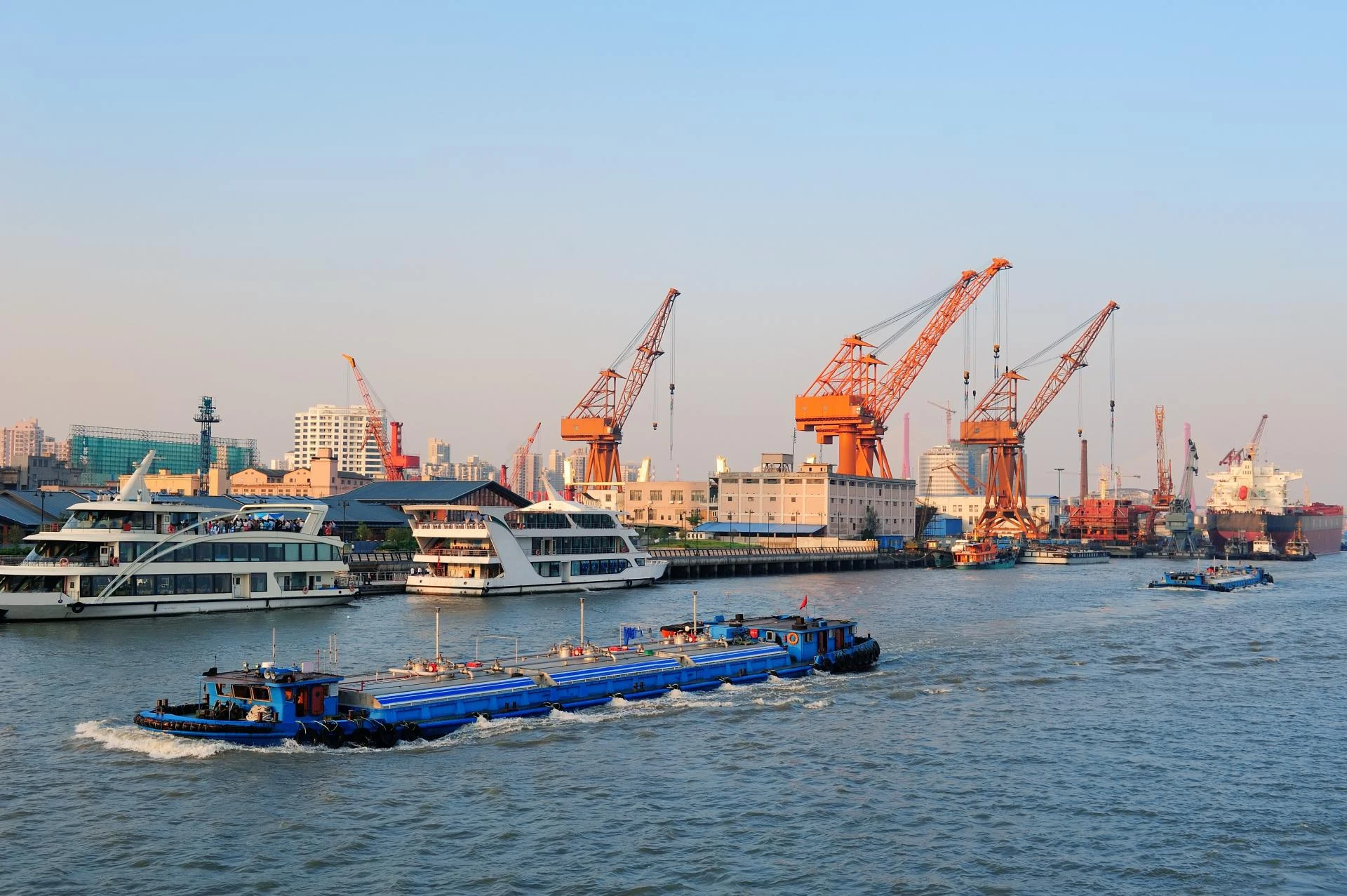

The global shipbuilding industry is a major part of seaborne commerce driving the global economy. As more than 80% of world trade by volume is transported by ships, its contribution cannot be overlooked. With the onset of the 21st century, the shipbuilding sector faces challenges and clear opportunities driven by the wave of global trade, technological demand, and growing concern for sustainability. Shipbuilding companies are increasingly focusing on innovations that meet these demands, particularly in designing more energy-efficient and eco-friendly vessels to meet stricter environmental regulations.
Trends in the International Shipbuilding Industry
The shipbuilding industry has undergone a tremendous change over the years. Perhaps the most notable trend is greater emphasis on green ships. With the growing pressure on the environment worldwide, countries and shipping authorities are coming under pressure to reduce carbon footprints and maximize the efficiency of fuel usage. International regulations such as the IMO 2020 sulfur cap have also prompted shipyards to invest in other fuels such as liquefied natural gas (LNG), hydrogen, and biofuels. Reduction of the environmental footprint has stimulated innovation in ship design, fuel, and operations.
Newbuilds are now more aimed at building ships not just to existing environmental standards but to future regulations. These are directions for ships with energy-efficient hull shapes, air lubrication, and new propulsion techniques. Shipbuilders are also focusing on projects that include hybrid propulsion systems, incorporating traditional fuel and batteries to further reduce emissions and fuel consumption. This trend of sustainability does not only appear in naval shipbuilding but also in commercial shipbuilding, as cargo vessels, tankers, and green container vessels are being constructed to fulfill worldwide commerce needs with the least harm to the environment.
Apart from environmental sustainability, digital transformation is revolutionizing shipbuilding at an extremely rapid speed. The use of sophisticated digital technologies such as 3D modeling, computer-aided design software, and virtual reality is revolutionizing the ship design and shipbuilding process. Shipyard automation and robot use have streamlined the production process to achieve maximum output, allowing for rapid building time and improved accuracy in production. This movement of digitalization is improving cost-effectiveness and also eradicating the potential for human error in shipbuilding and providing quality output. Also, technologies like 3D printing are facilitating on-demand manufacturing of intricate parts, reducing time and cost in shipbuilding.
Greater use of smart ships is one of the key trends. Intelligent ships make use of the latest technology like IoT, AI, and analytics to optimize performance, monitor the state of a ship in real-time, and reduce operating costs. With sensors and monitoring, shipbuilders are enhancing safety, efficiency, and control of operation. Autonomous shipping, though still in its infancy, is also a rapidly developing field of interest. As these technologies improve, the international shipping industry is going to transform how ships function, are serviced, and are charted.
Challenges in Shipbuilding Industry
Though unprecedented advancement and positive growth are observed, the shipbuilding sector globally faces no challenge. The most rudimentary of them perhaps is the outrageous expense involved in constructing a ship. Construction of a new vessel involves a tremendous investment in technology, man-power, and raw materials. The sheer quantum of capital expenditure which is invested in constructing the new shipbuilding projects becomes a barrier, especially to small or weak financial firms. Second, financial instability due to as basic an element as volatile steel prices or balance of foreign trade can be lethal to profitability for the entire firm. Thirdly, the aggressive competition between shipbuilders on the global front is intimidating.
The role of such a giant player in global shipbuilding countries like South Korea, China, and Japan takes grip of a gigantic player in global commerce, which passes through the company as a whole. Such countries possess technologically advanced shipyards and economy of scale by which they are able to maintain competitive prices in goliath-sized shipbuilding contracts. In contrast, emerging sea-based economies like the UAE are struggling to turn themselves into world-class ship construction and ship repair facilities. When market share influence and price-quality rivalry pressure brought by this type of competition is evoked, new competitors or lesser players can neither put pressure in market share nor price and quality competition. Increased complexity in the design of ships has also created new challenges to shipbuilders.
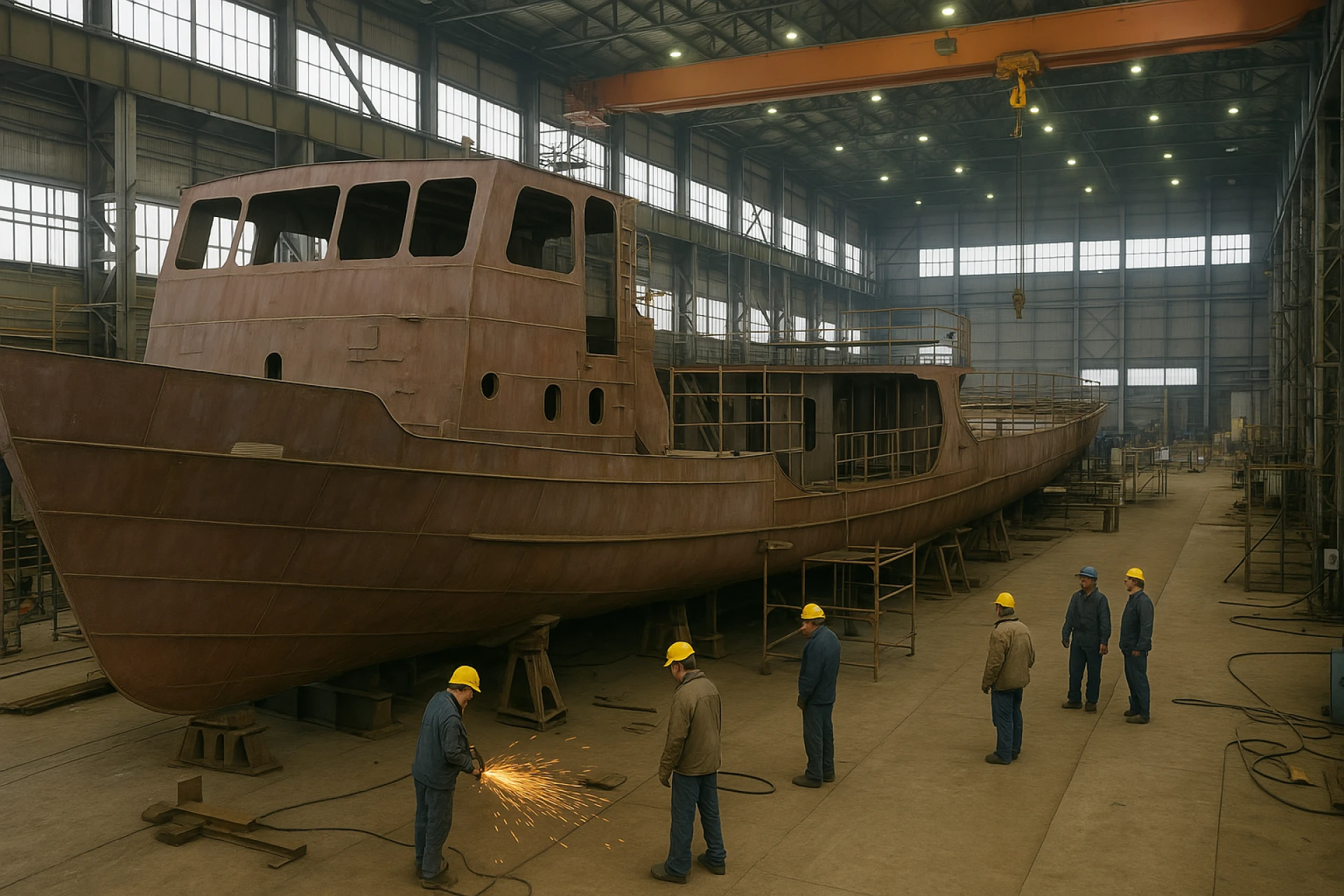
As the demand for such specialized vessels like LNG ships, ultra-large box ships, and cruise ships has been increasing, the shipbuilders are compelled to innovate and enhance at regular intervals to keep pace with the demands. The craftsmanship, material, and engineering involved in designing and building such vessels are of the latest kind. This also decides the building periods, two years or more for the monster ships at times. Shipbuilding companies need to make sure they have the proper resources, human resources, and technology in hand to meet such needs. Last but not least, the supply chain disruption function cannot be overlooked.
Shipbuilding is significantly reliant on a supply chain of parts, materials, and components. Global supply chain disruptions arising from the COVID-19 pandemic, geopolitics, or natural causes have a strong likelihood of slowing down production and increasing costs. Being capable of sustaining a consistent supply chain and possessing agility to act promptly towards shifting scenarios is still at the top of shipbuilders' challenges.
Opportunities in the Shipbuilding Sector
There are challenges, and there are also challenges to development in the international shipbuilding industry. One of them lies in consultancy services. As shipping law becomes more demanding and ship design more complicated, high-quality consultancy services are needed more than ever. Consultants provide invaluable expertise in matters relating to conformity with rules and regulations, ship design, and engineering. In particular, ship consultancy in the UAE is of greater importance, with the nation's shipping industry still thriving. The UAE's strategic location as a global shipping hub has lured gigantic investments in shipping and port facilities, which has caused the demand for consultants to provide opinions on ship and fleet construction to grow. The growing demand for opportunities also brings a gigantic opportunity.
As more volume of international trade is undertaken, there are going to be more demands for new ships in the categories of container shipping, oil and gas shipping, and cruise shipping. The move towards more environmentally friendly ships also provides shipbuilders with an opportunity to create innovative innovative solutions that will enable them to be competitive. Similarly, the increasing focus on green shipbuilding—construction of ships with reduced environmental impact—is new opportunity for shipyards to invest in green technology. And, intelligent ship and autonomous ship construction is thrilling prospect. As soon as autonomous ship technology stabilizes, there will be a greater demand for shipbuilders who are able to incorporate advanced navigation systems, artificial intelligence, and sensors into their vessels. This technological transformation is a special chance for shipbuilders to set the pace ahead of shipping.
Conclusion
The international shipbuilding industry is witnessing radical transformation with the advancement of developing technology, green regulations, and shifting marketplace forces. Even as it remains beset by the challenges of high prices, stiff competition, and disruption of supply chains, the industry is set to grow, particularly in shipbuilding and marine consultancy services.
The future of the industry will be shaped by the ongoing development of green technology, digitalization, and smart shipping alternatives. The UAE, by virtue of its location, has high potential in shipbuilding and consultancy and thereby becomes a major player in the regional and international maritime sector. Overall, the world shipbuilding industry is of tremendous potential for those who wish to be a part of its future, and the next decades will witness tremendous change and development, driven by challenge and opportunity both.

























Sign in to leave a comment.