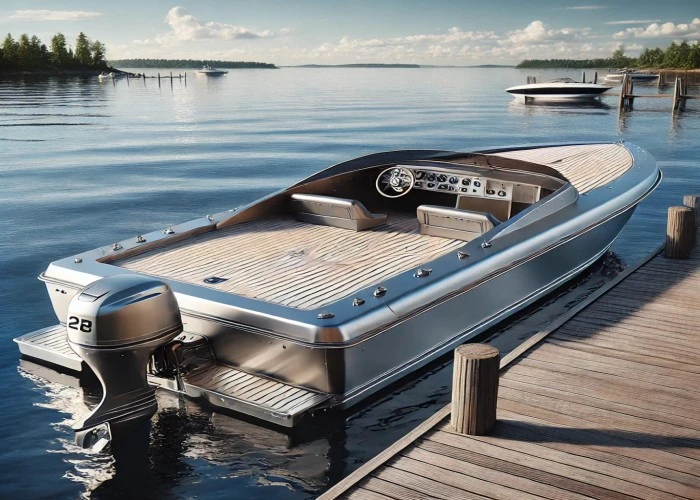

Let’s be real—boats aren’t cheap. And whether you’re out on the water every weekend or running a marine business, you want something that’s not going to fall apart after a few seasons. Nobody’s got time for constant repairs, hidden cracks, or rust creeping up the side.
That’s why more and more people are turning to custom-built aluminium boats. Not because they’re trendy, but because they’re tough. And in the world of boats, tough is everything.
So if you’re wondering what makes these boats go the distance (like, 30 to 40 years distance), let’s break it down in plain, no-nonsense language.
First of All: Aluminium is a Beast
Aluminium isn’t flashy. It doesn’t try to show off. But it does quietly outperform a lot of other materials when it comes to boats.
It’s strong but super lightweight. That means you get more speed, better fuel efficiency, and a hull that doesn’t need to be a floating tank to handle rough water. And unlike steel, it doesn’t rust. Unlike fiberglass, it won’t crack if you tap the dock a little too hard.
A good boat building company knows exactly how to take advantage of all that. They’ll use marine-grade aluminium—built for salt, sun, impact, and whatever else the ocean decides to throw at you.
Lifespan That Makes Other Boats Jealous
Let’s cut to the chase: aluminium boats last. Not a couple of years. We’re talking decades.
30 to 40 years is totally normal—longer if you take care of it. And that’s not marketing fluff. Commercial fishing boats, rescue boats, even military crafts made from aluminium are still going strong after four decades of heavy use.
Compare that to your average fiberglass boat, which starts to feel tired after 15, maybe 20 years. You’ll deal with soft spots, blisters, and eventually some big, expensive problems.
With aluminium? You’re in it for the long haul.
Saltwater? Bring It On
If you’ve ever left a tool near the beach, you know what saltwater can do. It doesn’t mess around. But aluminium has a cool trick: it protects itself.
When it’s exposed to water and air, it forms a natural oxide layer that keeps corrosion from digging in. Scratch it? That layer heals itself. It’s like the Wolverine of boat materials.
That’s just the start. Most builders take it a step further and add coatings—like powder coat, anodizing, or marine-grade paint. They’ll also attach sacrificial anodes (basically metal decoys) that take all the electrochemical punishment instead of your hull.
It’s smart. It works. And it keeps your boat solid for years.
Dents? Sure. Cracks? Not So Much.
Let’s say you accidentally bump a rock while beaching your boat. If it’s fiberglass, you’re probably calling someone to patch a crack. If it’s aluminium? You might have a dent. Big difference.
Aluminium doesn’t shatter. It doesn’t splinter. It absorbs hits and keeps moving. That’s why you see it used in rescue boats, military vessels, and workboats that take a beating almost daily.
And if something does need fixing? Weld it. Good as new.
Custom Boats = Boats That Fit Your Life
There’s something satisfying about a boat that’s built around how you use it. Not some mass-produced layout that kind of works. Not something you have to modify later. Just exactly what you need, from the start.
That’s the beauty of aluminium boat building—you can go custom without the sky-high costs you’d see with other materials. You want a thicker hull for offshore fishing? Easy. Extra framing because you haul equipment? Done. Keel guards for beach landings? Already thinking about it.
And when everything’s built with purpose—from the welds to the framing to the finishes—it lasts longer. It’s just built better.
Low Maintenance = More Time on the Water
Nobody buys a boat because they want to spend their weekends sanding, painting, and fixing stuff. You want to use your boat, not baby it.
Aluminium boats don’t ask for much. Rinse them off after saltwater. Keep an eye on the anodes. Grease what needs greasing. That’s it.
You don’t have to worry about blistering gel coat or swollen wood. No peeling paint drama. And because there are no tiny cracks waiting to turn into big problems, you spend way less on repairs.
According to BoatUS, aluminium boat owners spend 20–30% less on upkeep each year. That’s real money—and real time back in your life.
Handles Weather Like a Champ
Whether it’s blazing sun, freezing temps, or sudden downpours, aluminium doesn’t care. It holds its shape. It doesn’t warp, dry out, or get brittle. UV rays? Not a problem. Freezing water? Still solid.
You’ll see aluminium boats everywhere—from icy Alaskan harbors to the sweltering Gulf. That’s because they don’t just “survive” extreme weather. They perform in it.
And when the boat eventually reaches the end of its life? The aluminium is 100% recyclable. So if you care about the planet (and let’s be honest, most boaters do), it’s a feel-good material choice too.
Real-World Boats That Prove the Point
Still not convinced? Let’s talk examples.
- The U.S. Coast Guard runs aluminium boats that stay in operation for 40+ years.
- In Australia, aluminium catamarans run all day, every day, in saltwater—and keep going for decades.
- In the Middle East, VUMARINE—a leading boats manufacturer in UAE—builds custom aluminium boats that deal with scorching sun, salty air, and tough marine conditions. And they keep performing year after year.
These aren’t showpieces. They’re working boats. Real boats. And they’ve got the mileage to prove it.
Final Thoughts: It’s Just a Smarter Investment
Here’s the bottom line: if you’re serious about boating—whether it’s for work or for the love of the water—you need something you can count on.
Custom-built aluminium boats aren’t trendy. They’re not built for Instagram. They’re built to perform. To last. To handle everything from calm lakes to open seas without complaining.
They’re strong, customizable, low-maintenance, and built around you. And when you stack them up against other options, it’s clear: aluminium boats aren’t just a good idea—they’re the smart play.























Sign in to leave a comment.