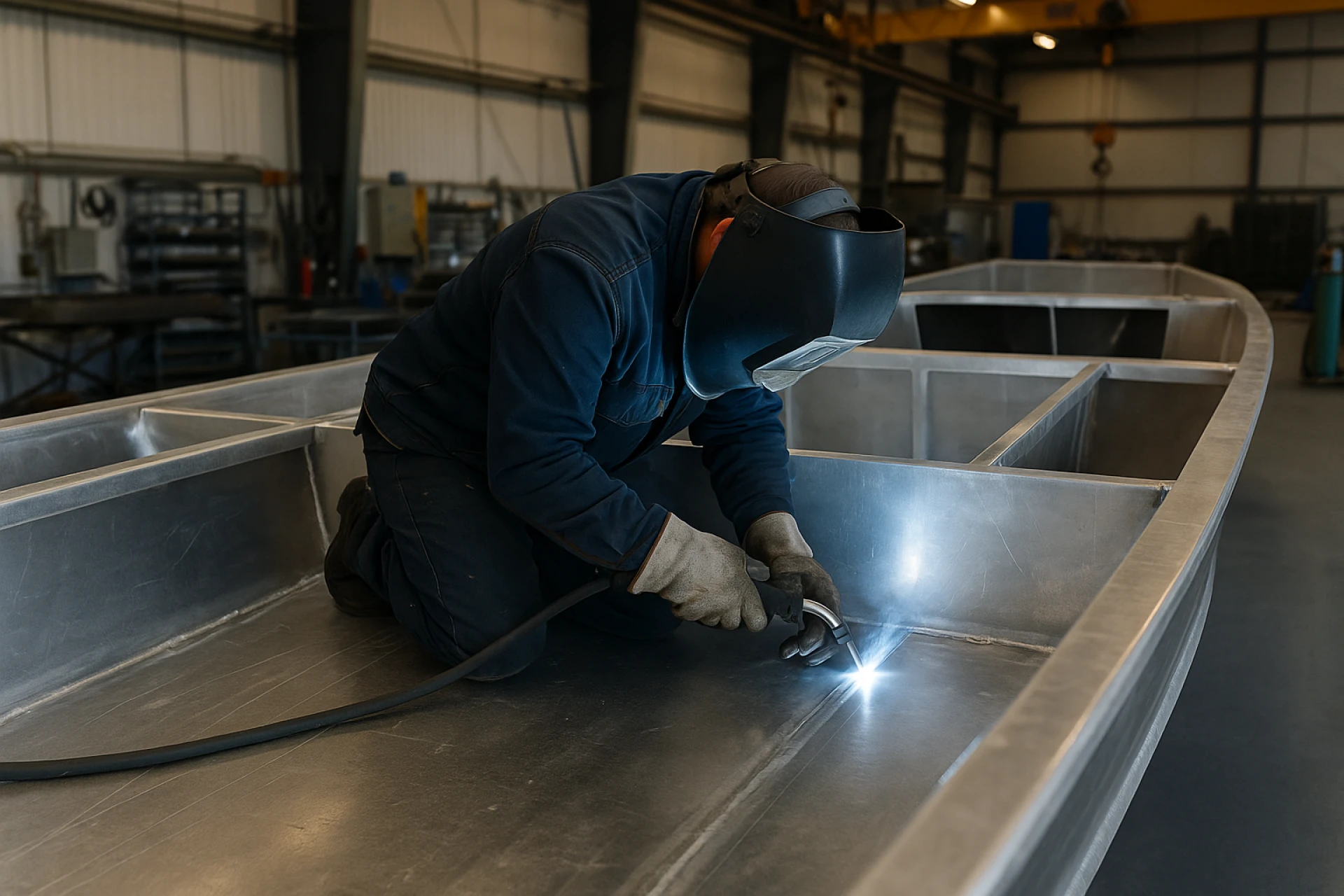

Building a barge isn't just about welding metal and setting it afloat. It's a complex process shaped by a long list of rules and technical standards that make sure vessels are safe, efficient, and built to last. For anyone in the marine industry—whether you're designing, building, or buying aluminum barges—understanding how marine standards shape the process is essential.
Let’s break down how these standards work and why they’re so important for the people and companies that build barges for real-world use.
What Are Marine Standards, and Why Do They Matter?
Marine standards are official guidelines that cover every detail of vessel construction—from the type of materials used to how a barge must be tested before it’s allowed to operate. These rules are created by global and national regulatory bodies like:
- International Maritime Organization (IMO)
- American Bureau of Shipping (ABS)
- Lloyd’s Register
- Bureau Veritas
- Det Norske Veritas (DNV)
- Indian Register of Shipping (IRS)
They aren’t just legal checklists. These standards are in place to prevent accidents, protect the environment, and ensure vessels can handle the harsh conditions they face on the water. For aluminum barge builders, staying compliant is not only a legal responsibility—it’s also a mark of credibility and quality.
Why Aluminum?
Aluminum has become a favorite material for building barges, especially for inland and coastal operations. Why? Because it offers a smart combination of benefits:
- It’s lightweight, which means better fuel efficiency and more cargo capacity.
- It’s corrosion-resistant, so it lasts longer in salty, wet environments.
- It’s strong for its weight, giving it excellent performance without being bulky.
- It’s recyclable, making it more environmentally friendly than many alternatives.
In fact, the global aluminum market has been growing partly because of its increasing use in marine construction. For modern barge building companies, aluminum isn't just a smart choice—it's the future.
How Marine Standards Affect the Barge-Building Process
Let’s look at how these standards guide each step of building an aluminum barge.
1. Design and Engineering
Before a single piece of metal is cut, barge builders have to design vessels that meet strict rules around buoyancy, hull shape, and structural strength. Classification societies like ABS and DNV provide detailed requirements on:
- How to calculate load lines and stability
- Stress and fatigue analysis
- Compartment layouts for flood prevention
For example, even though ABS originally developed rules for steel vessels, they’ve adapted them for aluminum with a few key adjustments. This means barge builders in UAE and around the world follow similar blueprints that ensure every vessel performs safely in its intended environment.
2. Choosing the Right Materials
Not all aluminum is equal. Marine standards specify which alloys are acceptable for shipbuilding. Two of the most common ones are:
- 5083-H116 – Known for excellent corrosion resistance
- 5086-H32 – Valued for its strength and fatigue performance
These materials have to meet standards like ASTM B928/B928M and ISO 12215-5. Every batch used is documented through Material Test Certificates, which prove compliance and traceability.
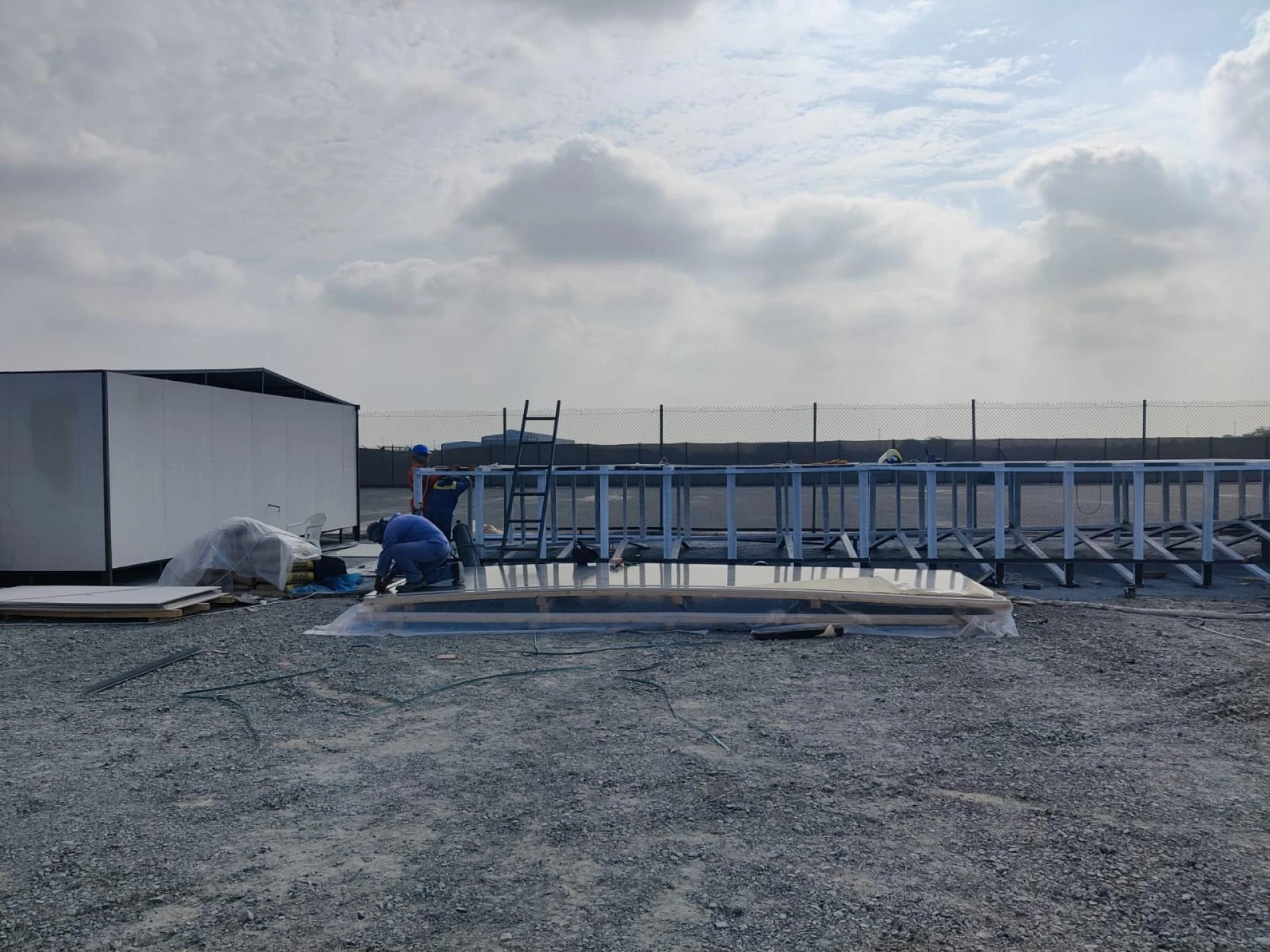
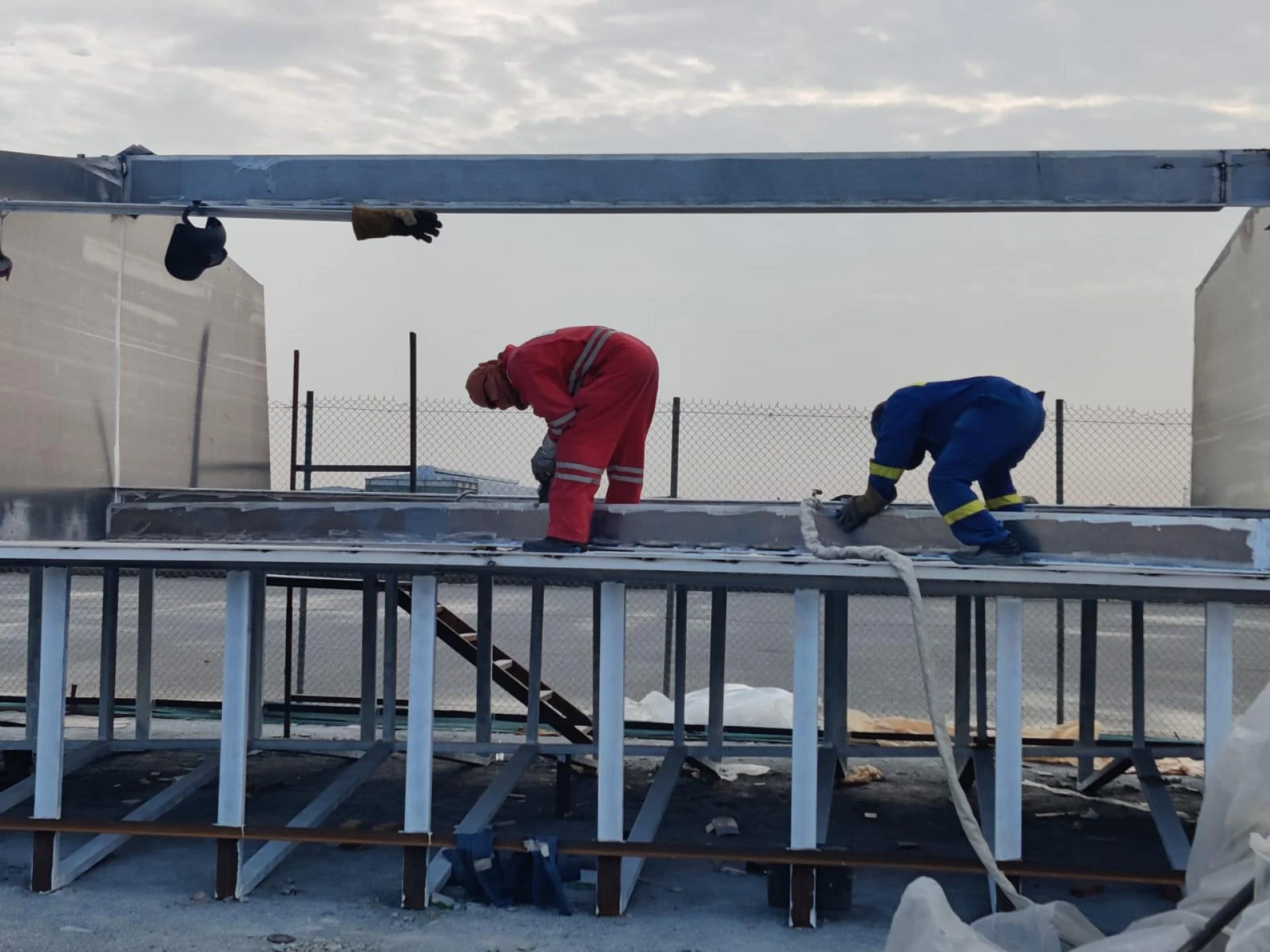
3. Welding and Fabrication
Welding aluminum is tricky. Done wrong, it can lead to serious structural issues. Marine standards control:
- The types of welding allowed (usually TIG or MIG)
- How welds are tested (like X-rays or ultrasonic testing)
- Welder qualifications and certifications
The American Welding Society says over 60% of aluminum vessel defects come from poor welding. That’s why top-tier aluminum barge builders rely on certified welders and thorough inspection processes.
4. Corrosion Protection
Aluminum naturally resists rust, but it’s not invincible—especially in saltwater. Marine standards call for extra layers of protection like:
- Special marine-grade paints
- Anodizing
- Cathodic protection (zinc anodes)
Standards like ISO 12944 and NACE SP0178 guide how coatings should be applied and maintained to extend the life of the vessel.
5. Safety Features and Load Limits
From non-slip decking to proper handrails, safety regulations cover everything that protects the crew. Load limits are also carefully calculated to prevent overloading and structural damage. These safety guidelines aren't just best practices—they're required for certification and insurance approval.
6. Testing and Final Approval
Once the barge is built, it has to go through multiple tests, including:
- Floatation and balance tests
- Load and stress tests
- Finite Element Analysis (FEA) for structural integrity
Only after passing these tests can a vessel be certified. A certified barge is easier to insure, safer to operate, and more valuable if resold.
Business Benefits of Compliance
Following marine standards does add to the initial cost and complexity, but the benefits are real:
- Lower maintenance costs due to better materials and construction
- Longer service life—20 to 30 years isn’t uncommon
- Easier licensing and insurance
- Better resale value and potential for international sales
According to the U.S. Maritime Administration, compliant vessels see 30% lower insurance costs and 25% higher resale prices compared to those that aren’t certified.
Challenges Along the Way
Complying with standards isn’t without hurdles:
- Upfront costs can be 15–20% higher
- Technical expertise is required across design, welding, and inspection
- Extensive documentation is needed for audits and certification
But these challenges are worth it. The return on investment comes in the form of reliability, reputation, and market access.
Final Thoughts
Marine standards aren’t just red tape—they’re the foundation of quality in barge manufacturing. They influence everything from material selection to final inspections. While it takes effort and resources to comply, the payoff is huge for builders, buyers, and operators alike.
If you're planning to invest in or partner with a manufacturer, make sure they take marine standards seriously. It’s not just about ticking boxes—it’s about building barges that are safe, durable, and ready for the long haul.



























Sign in to leave a comment.