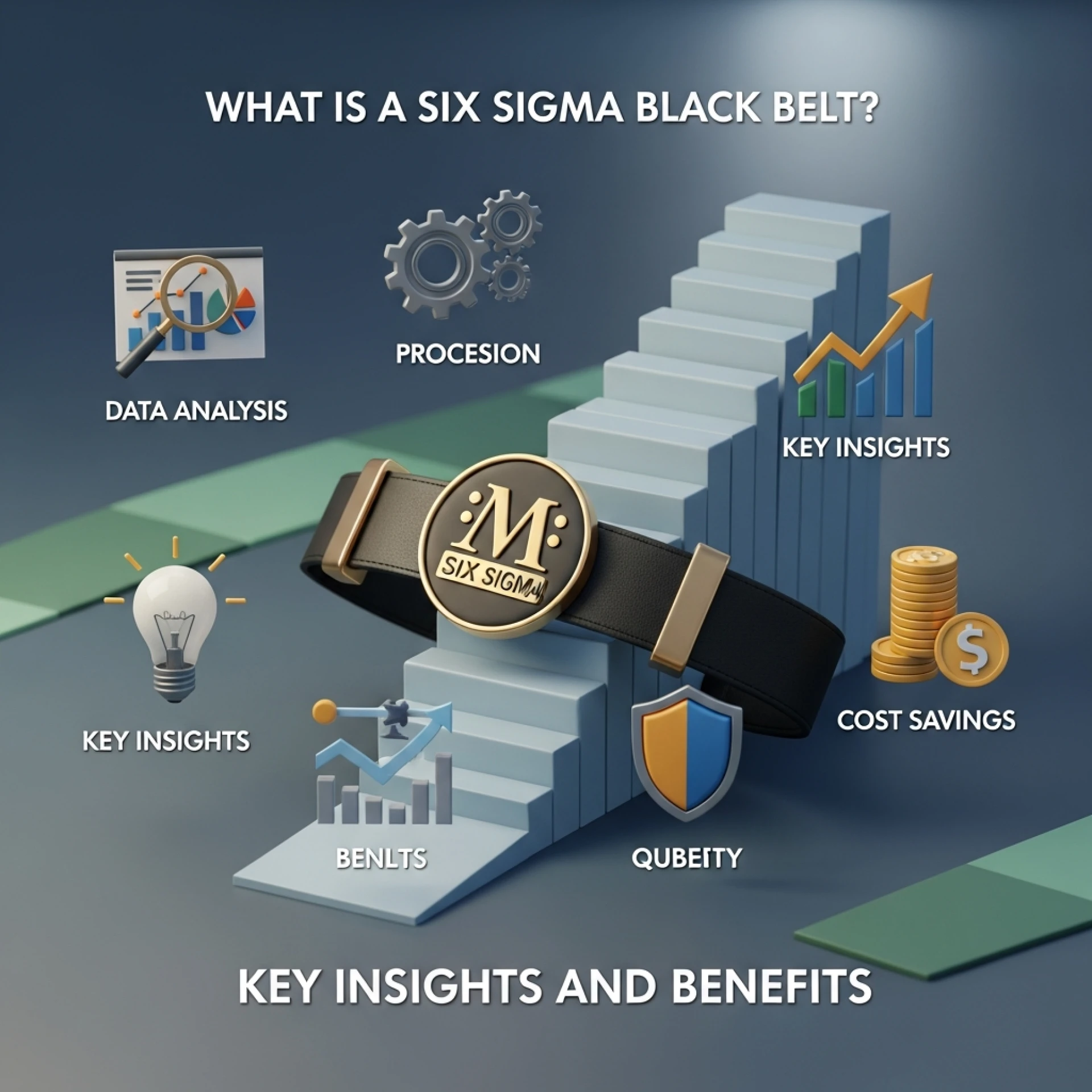

In 2026, the Six Sigma Black Belt (SSBB) certification has become one of the most respected credentials in the corporate world, serving as a "strategic passport" for high-level leadership. While lower-level belts focus on localized process improvements, a Black Belt is a "Change Agent" who leads cross-functional teams and is directly responsible for large-scale financial savings.
Here is what you need to know about pursuing this elite designation this year.
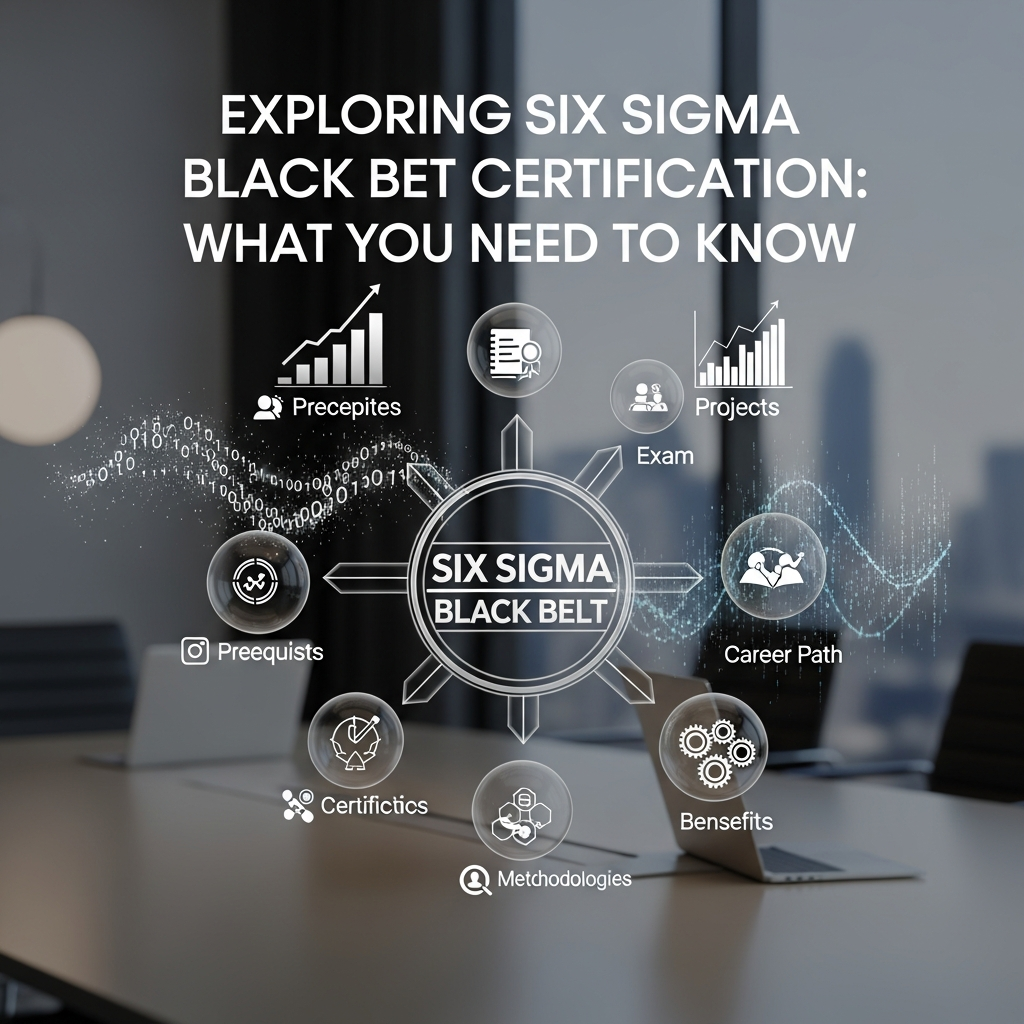
1. The Role: Strategy vs. Execution
A Black Belt is not just a "data person." Their role is to bridge the gap between a company's executive strategy and its front-line operations.
| Feature | Green Belt (Tactical) | Black Belt (Strategic) |
| Scope | Small to mid-scale (departmental). | Large, enterprise-wide initiatives. |
| Authority | Project contributor. | Project leader and mentor. |
| Commitment | Part-time (25–50% on projects). | Often full-time (dedicated leader). |
| Goal | Improve specific metrics. | Maximize ROI and drive cultural change. |
2. Modern Trends in 2026: "Digital Lean."
The Black Belt curriculum has evolved to stay relevant in an AI-driven economy.
- AI Integration: Modern Black Belts use AI to automate the "Analyze" phase of the DMAIC process, identifying root causes in hours rather than weeks.
- Predictive Control: There is a shift from correcting past defects to predicting future failures using real-time data and "Digital Twins" of processes.
- Sustainability (Green Sigma): Black Belts are now being tasked with ESG (Environmental, Social, and Governance) goals—reducing waste not just for profit, but to hit carbon-neutrality targets.
3. Requirements for Certification (2026)
Earning a Black Belt is a rigorous process. Most major bodies, such as ASQ or IASSC, require the following:
- Experience: Typically 3 years of full-time, paid work experience in a role related to the Six Sigma "Body of Knowledge."
- The "Project Portfolio": To be fully certified, you must often submit a verified project affidavit proving you have led a real-world initiative that saved the company significant money (often $100k+).
- Technical Mastery: You must demonstrate proficiency in advanced statistics, including ANOVA, Multiple Regression, and Design of Experiments (DOE).
4. Financial Investment and ROI
The cost of certification is an investment that typically pays for itself within the first quarter of completion.
- Training Cost: Ranges from $1,500 to $6,000, depending on the provider and format (online vs. instructor-led).
- Average Salary (USA): In 2026, the average Black Belt salary is approximately $130,000, with senior roles exceeding $190,000, including bonuses.
- Average Salary (India): Mid-level Black Belts earn around ₹10–₹15 LPA, while senior leadership roles can exceed ₹25–₹30 LPA.
5. Why Enroll in 2026?
Organizations are currently prioritizing efficiency and cost control to navigate economic volatility. As a Black Belt, you become a "profit center"—someone who literally makes or saves the company money—which offers unparalleled job security and a clear path to the C-suite.



























Sign in to leave a comment.