
Introduction
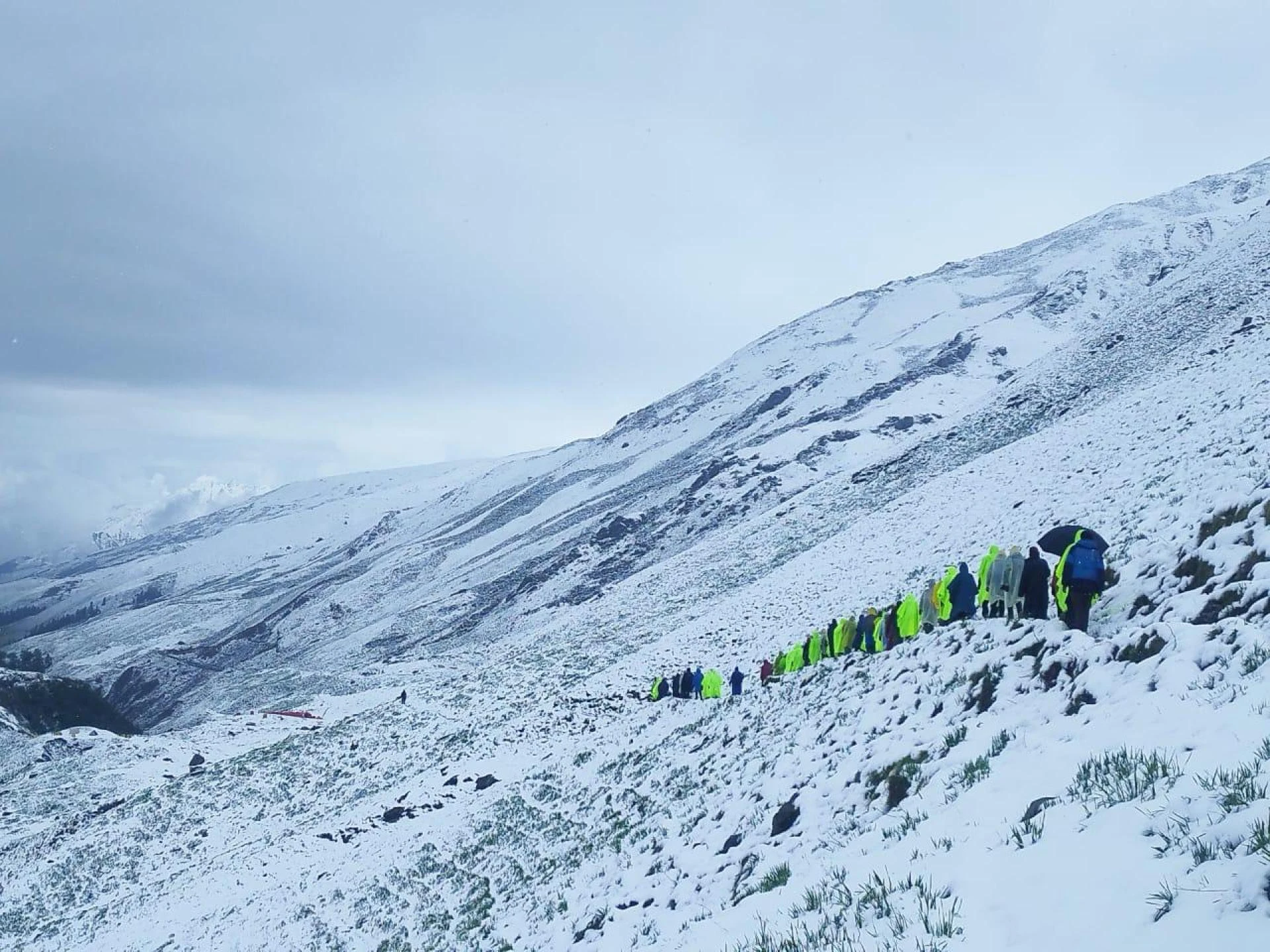
If you're looking for an escape into nature, far from the hustle of city life and deep into the heart of the mountains, there is nothing quite as rejuvenating as a Pahadi trek. Derived from the Hindi word "Pahad" (meaning mountain), a "Pahadi trek" refers to trekking through mountainous terrain, typically in the Himalayan belt of India. From Himachal Pradesh to Uttarakhand and Kashmir to Sikkim, India is blessed with an array of stunning pahadi trails that offer not just natural beauty, but also cultural richness, solitude, and adventure.
In this blog, we’ll take a deep dive into the world of Pahadi treks—what makes them unique, the best routes for beginners and seasoned trekkers, and practical tips to help you make the most of your mountain journey.
What is a Pahadi Trek?
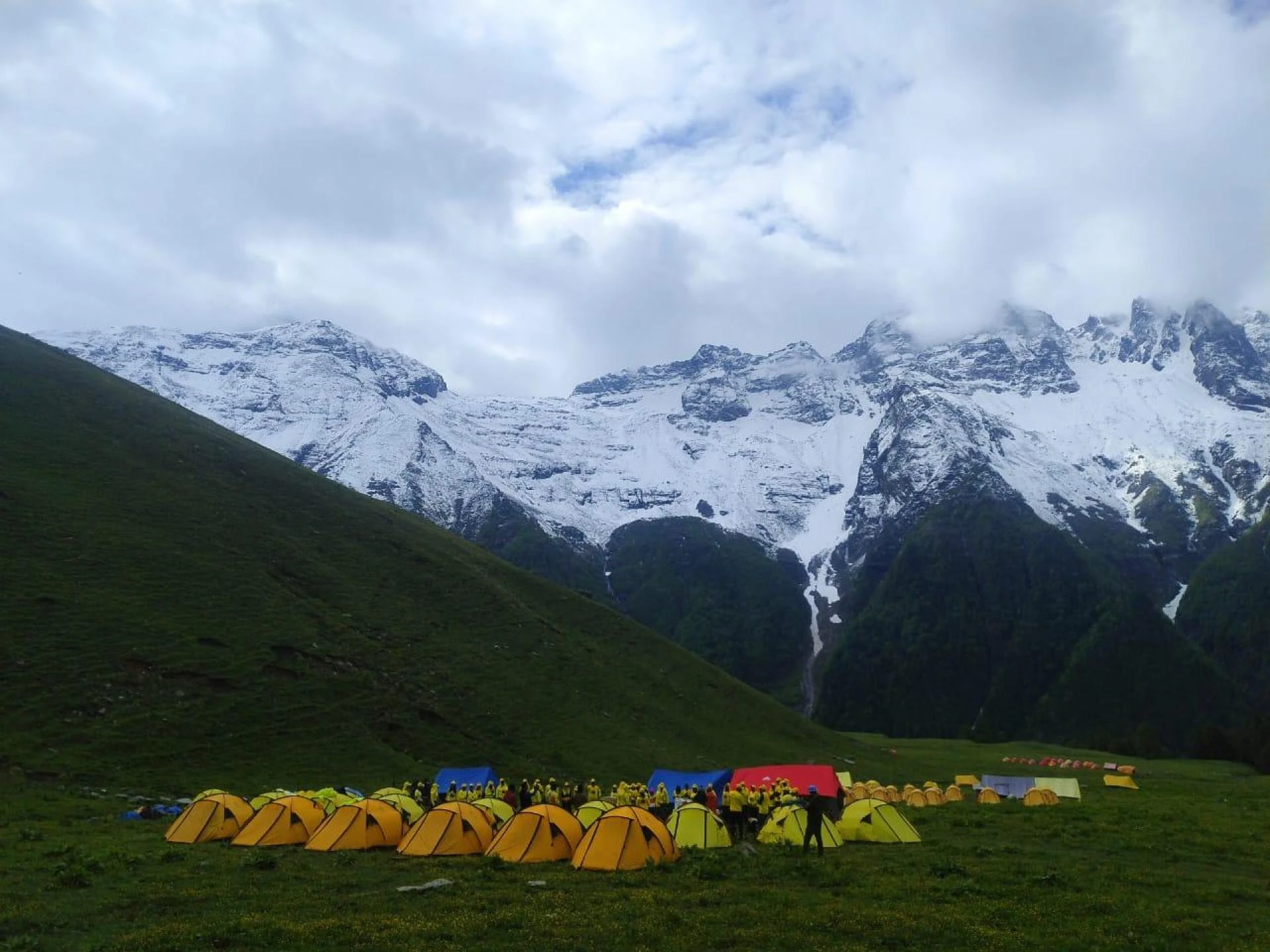
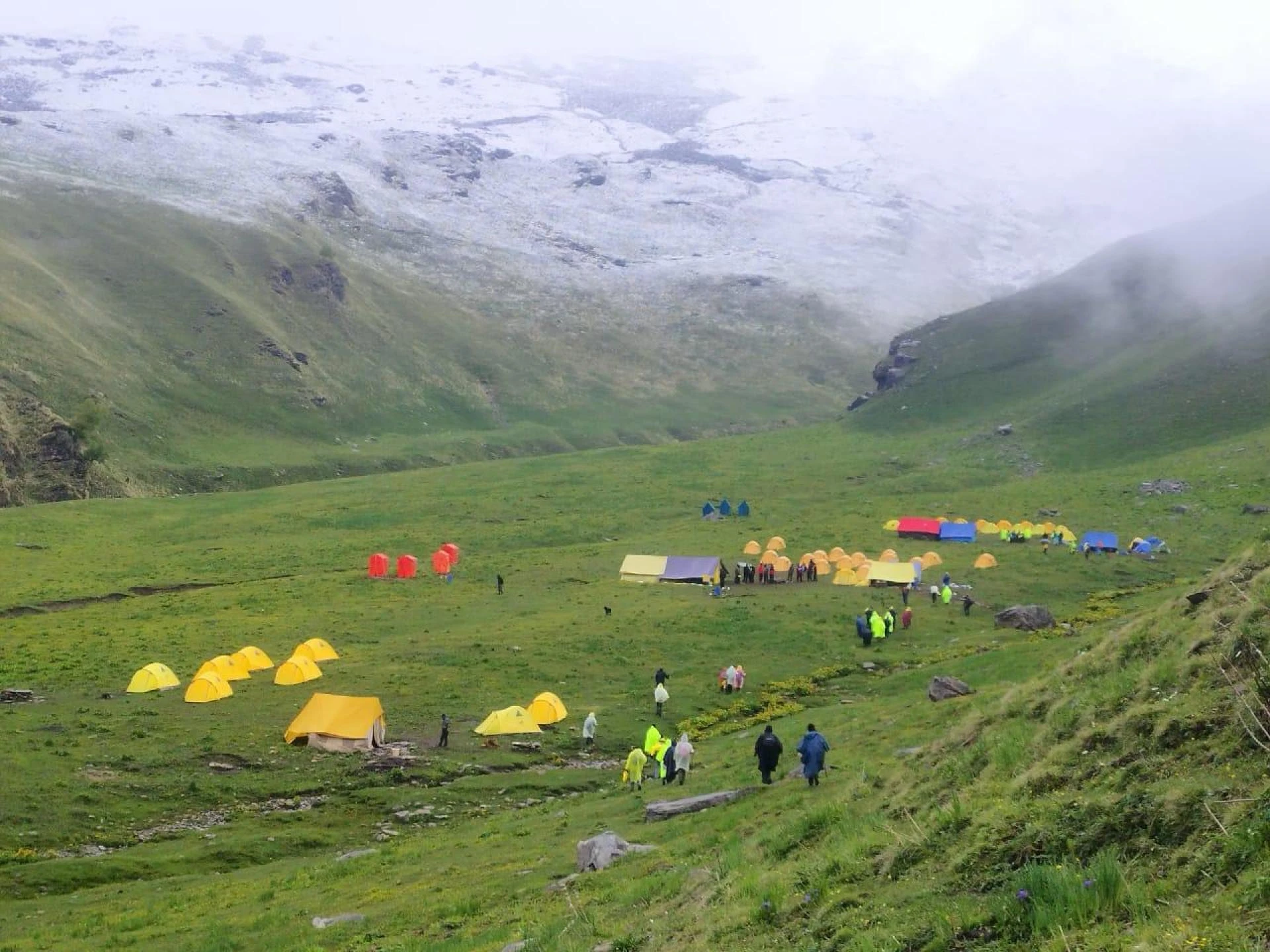
A Pahadi trek is essentially a mountain hike or multi-day journey through rugged Himalayan terrain, often reaching altitudes ranging from 8,000 ft to over 17,000 ft. These treks pass through scenic valleys, alpine meadows, snow-capped peaks, glacial lakes, pine forests, and remote villages. They not only challenge you physically but also offer moments of deep reflection and connection with nature.
Why Choose a Pahadi Trek?
1. Raw Natural Beauty
The Indian Himalayas are home to some of the most stunning landscapes on Earth. With snow-covered mountains, lush green meadows (bugyals), river crossings, and glacier-fed lakes, every step is a visual treat.
2. Spiritual and Cultural Depth
Most pahadi treks pass through ancient villages with centuries-old temples and sacred sites. The people, food, and traditions you encounter along the way offer a glimpse into the rich cultural tapestry of the region.
3. Mental and Physical Rejuvenation
Away from noise and digital distractions, trekking in the mountains is a detox for the mind and body. The clean air, physical exertion, and peaceful surroundings provide a holistic healing experience.
4. Adventure and Accomplishment
Every summit reached, every pass crossed, and every cold night braved adds to your inner strength. It’s not just a physical journey—it’s a mental one too.
Popular Pahadi Treks in India
Let’s look at some of the most popular Pahadi treks across different Himalayan states:
Himachal Pradesh
- Buran Ghati Trek: A breathtaking crossover trek that includes snow walls, meadows, and glacial lakes.
- Hampta Pass Trek: Ideal for beginners, it connects lush Kullu valley with barren Lahaul valley.
- Triund Trek: A short and sweet trail offering panoramic views of Dhauladhar ranges.
Uttarakhand
- Kedarkantha Trek: Famous for its winter snow, campsites, and 360-degree mountain views.
- Valley of Flowers: A UNESCO World Heritage site filled with blooming alpine flowers during July-August.
- Rupin Pass Trek: Known for waterfalls, snow bridges, and adventurous ascents.
Jammu & Kashmir
- Kashmir Great Lakes Trek: Arguably India’s most scenic trek, featuring a series of turquoise alpine lakes.
- Tarsar Marsar Trek: A quieter but equally stunning alternative to KGL.
Sikkim and North-East
- Goechala Trek: With views of Mt. Kanchenjunga, this is one of the most revered treks in Eastern Himalayas.
- Sandakphu Trek: The only trek in India where you can view four of the five highest peaks in the world in a single frame.
Essentials for a Pahadi Trek
Gear Checklist
- Trekking shoes with ankle support
- Warm clothing (base layer, fleece, down jacket)
- Waterproof jacket and pants
- Gloves, woolen cap, and sun hat
- Sunglasses and sunscreen
- Trekking poles
- Water bottle and thermos
- Headlamp or flashlight
- Backpack with rain cover
Health & Safety
- Basic first-aid kit
- Diamox or other altitude sickness medication
- Water purification tablets or portable filter
- Acclimatization days if trekking above 12,000 ft
Best Time for Pahadi Treks
- Summer (May to June): Snow-covered trails start melting, offering green meadows and mild temperatures.
- Monsoon (July to early September): Best for treks like Valley of Flowers, but caution needed due to landslides.
- Autumn (Mid-September to November): Clear skies, crisp air, and perfect for high-altitude treks like Rupin Pass or Goechala.
- Winter (December to February): Great for snow treks like Kedarkantha and Kuari Pass.
Trekking Tips for Beginners
- Start with an Easy Trek: Go for weekend treks or trails under 10,000 ft before attempting high-altitude routes.
- Get Fit in Advance: Start walking/jogging and doing leg workouts at least 4-6 weeks prior.
- Pack Light, Pack Right: Only carry essentials to avoid back pain or exhaustion.
- Hydrate and Eat Well: Staying hydrated helps prevent altitude sickness.
- Follow Trek Etiquette: Don’t litter, respect locals, and avoid loud noises.
Responsible Trekking: Leave No Trace
Pahadi regions are ecologically sensitive. It's vital to:
- Carry back your trash
- Avoid using plastic bottles
- Use biodegradable soap
- Stay on designated trails
- Support local businesses and homestays
Trekking Alone vs Trekking with a Group
- Solo Trekking: Offers freedom but can be risky if you’re not experienced. Always inform someone of your route.
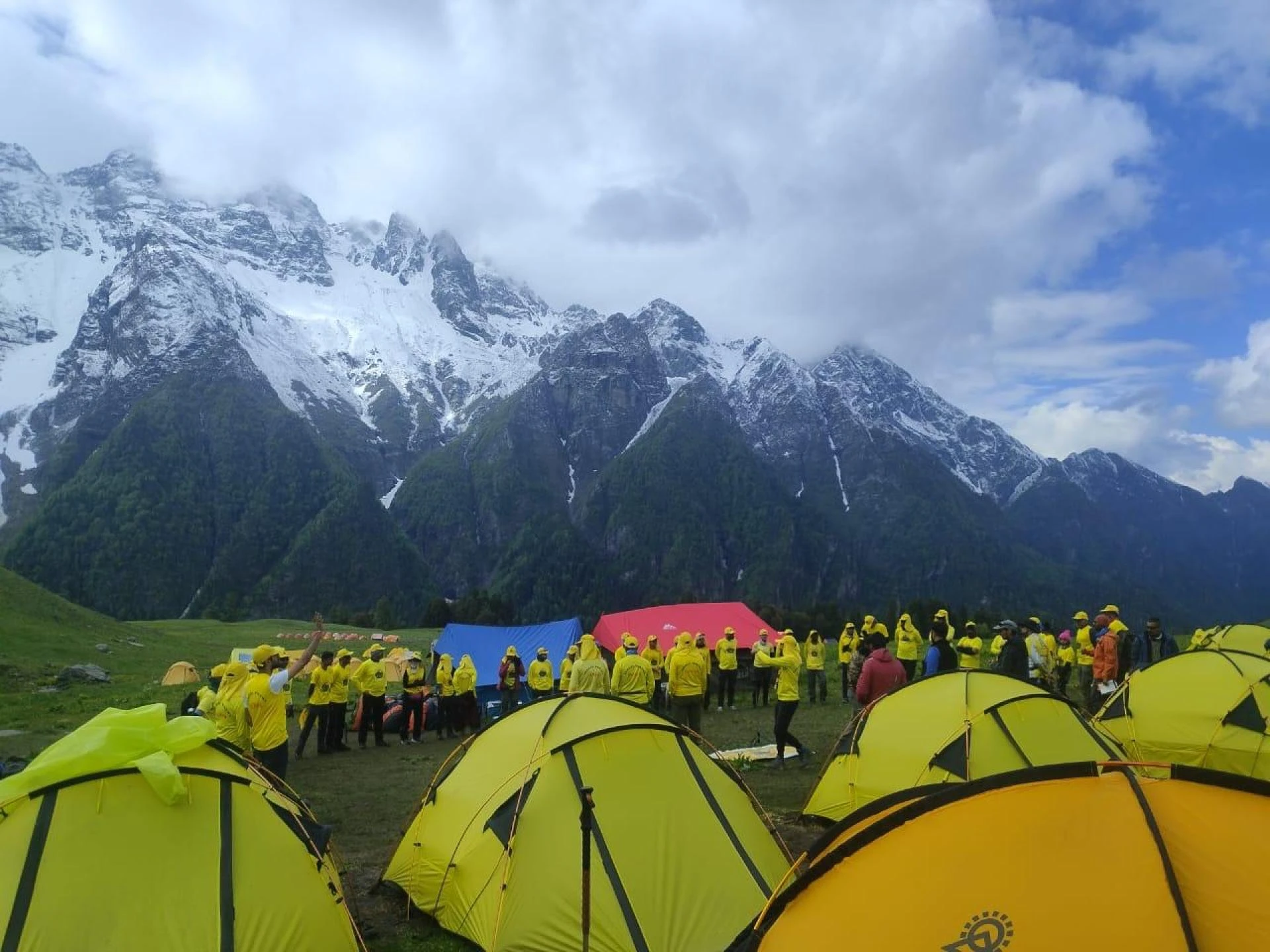
- Group Trekking: Safer, more organized, and often includes guides, meals, and support staff.
Conclusion
A Pahadi trek is not just a journey across mountains—it's a transformative experience that touches your soul. Whether you’re drawn by the call of snow-covered peaks, the charm of blooming meadows, or the peace of alpine lakes, there’s a Pahadi trail waiting to be explored. Each trek humbles you, teaches resilience, and reconnects you with nature in the purest way.
So, pack your bags, lace up those boots, and let the Himalayas show you a world beyond the ordinary. The mountains are calling—will you answer?
Need help choosing your first pahadi trek or building a custom itinerary? Drop a message—I’d love to guide you on your next adventure!





























Sign in to leave a comment.